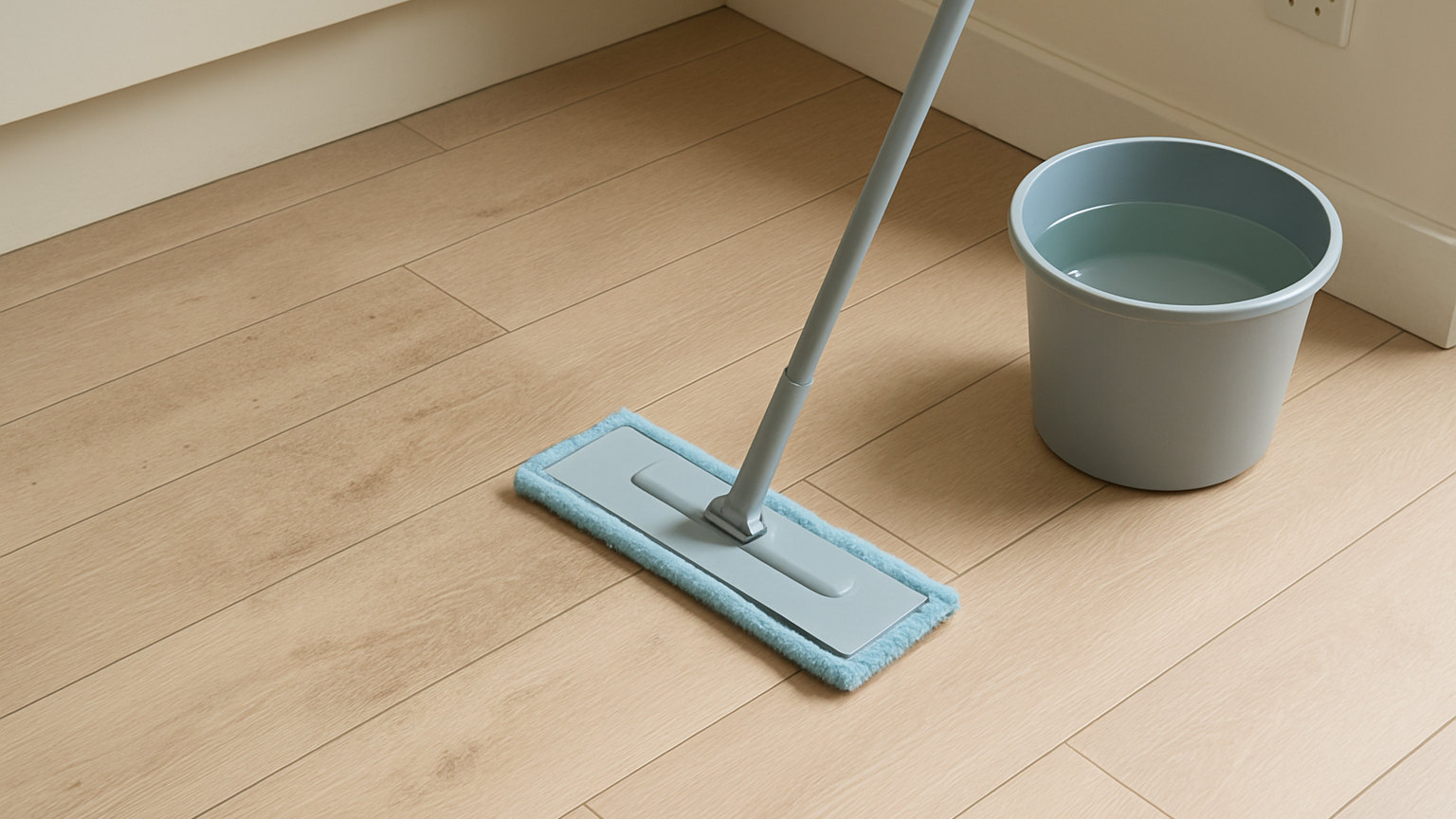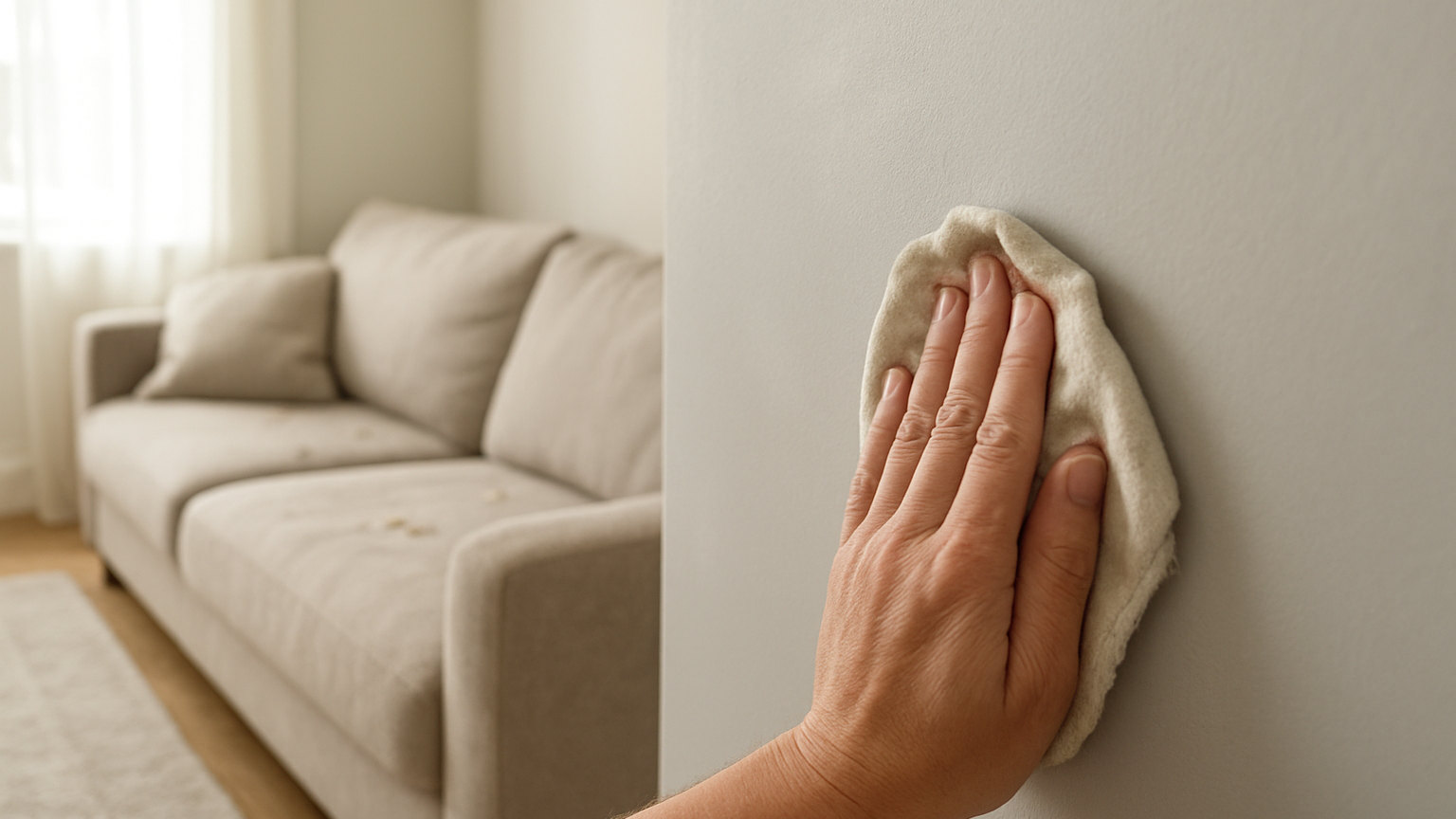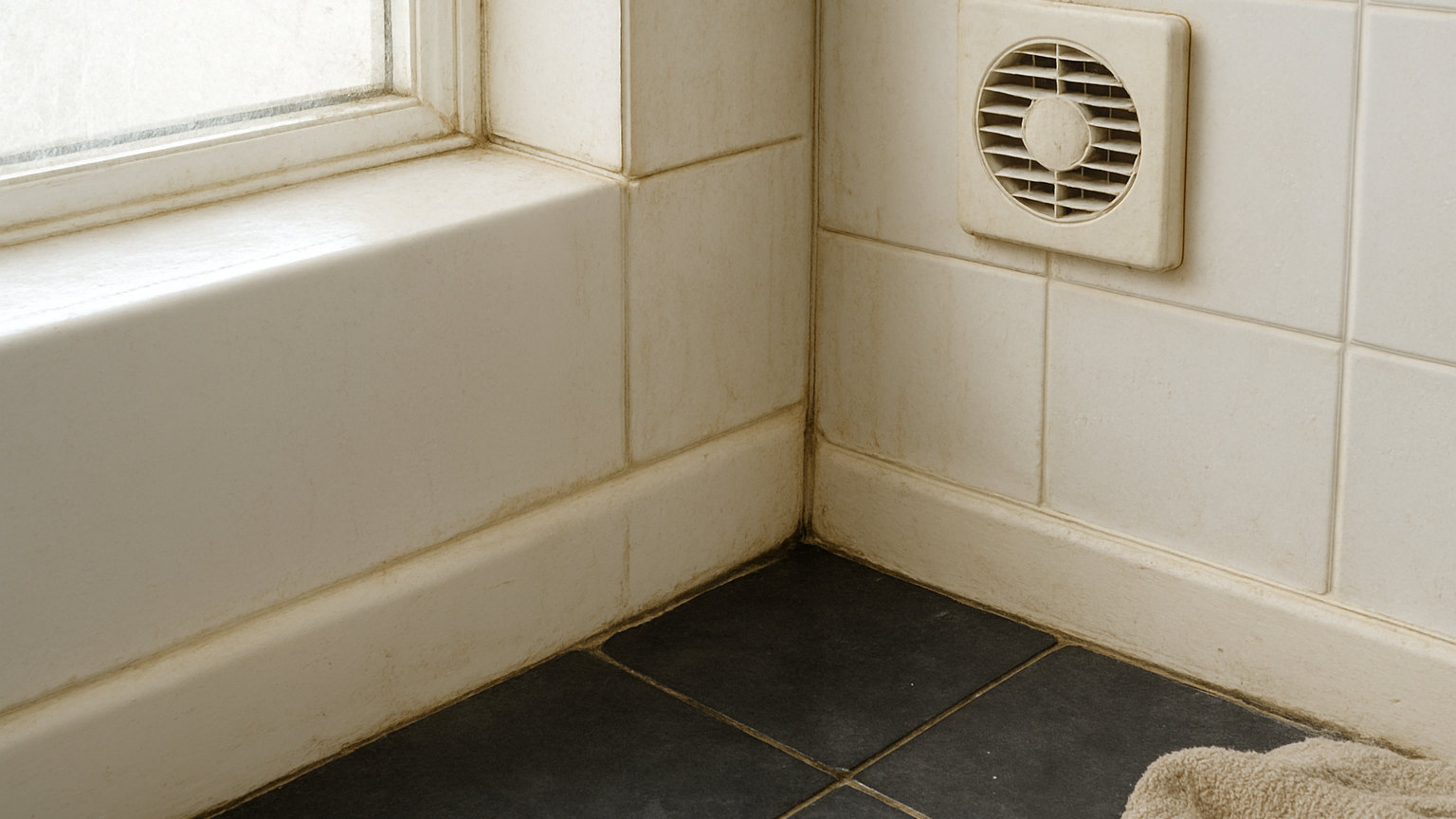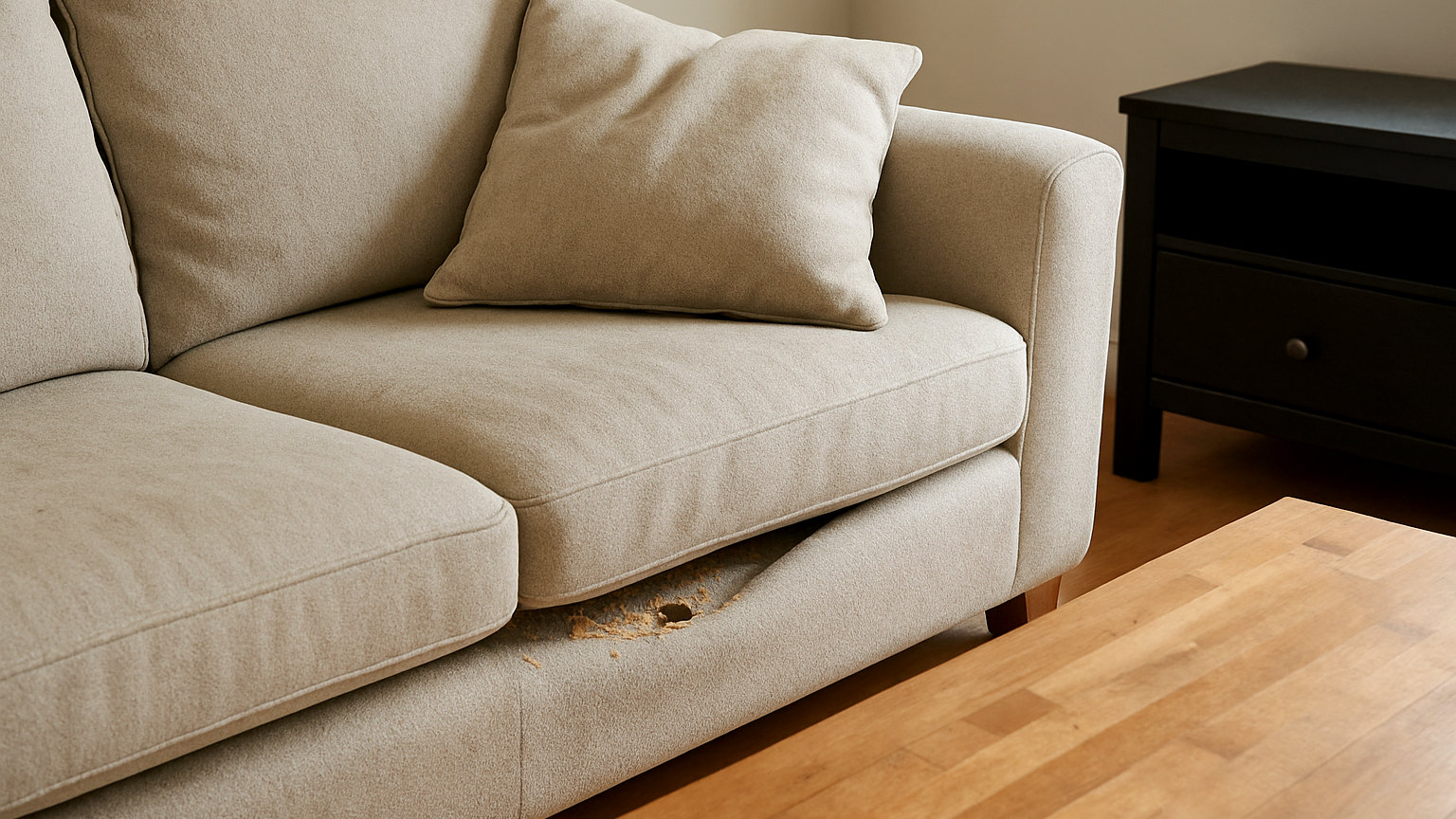
A musty smell is the smell of microbial growth, which means something in the room is holding moisture. It is rarely the room itself and almost always a specific item, usually something soft and usually something nobody has moved in a long time. Finding it is more useful than treating the air.
Where does it usually come from?
- The sofa, particularly the foam inside the cushions if anything has been spilled and not dried out properly.
- Carpet or underlay that got wet from a spill, a leak or an over-enthusiastic carpet cleaning.
- Curtains hanging against a window with condensation on it.
- A rug that was washed and put back before it was fully dry.
- Books and paper stored against a cold external wall.
- The floor under or behind a large piece of furniture where air never circulates.
- An unused chimney or a wood burner flue, which can draw damp air into the room.
How do you find the source?
Systematically and with your nose close to things. Smell the sofa cushions individually, including the underside and the seat deck beneath them. Kneel and smell the carpet in different parts of the room, particularly near external walls and radiators. Check behind and under every large item of furniture. Pull the curtains away from the window and smell the lining.
Warmth intensifies smells, so a room that has been closed and heated for an hour is easier to diagnose than a cold one that has been aired.
What if it is the sofa?
Take the cushions off and stand them on end so air can reach all faces, ideally near an open window or a fan, and leave them for a day or two. Vacuum everything thoroughly. Sprinkle bicarbonate of soda over the upholstery and the cushions, leave it for several hours, then vacuum it off.
If the smell is inside the foam because of an old spill, surface treatment will not reach it. Foam can sometimes be dried out with a fan over several days, but a cushion that has been wet through and left may need the inner replaced.
What if it is the carpet?
Check whether the underlay is damp by lifting a corner in the affected area. A carpet that is dry on top can be sitting on wet underlay, which will smell indefinitely. If the underlay is wet, the source needs finding – a leak, a failed damp course, condensation running down a wall – and the underlay usually needs replacing rather than drying.
For a carpet that simply smells stale, bicarbonate of soda left overnight and vacuumed off works well, and a deep clean with proper extraction helps provided it is dried quickly afterwards.
What role does ventilation play?
A large one. A room that is never aired keeps its humidity high, which is what allows the growth causing the smell. Open the windows wide for fifteen minutes a day, leave internal doors open so air moves through the house, and keep furniture a few centimetres off external walls.
If the room is persistently damp, a dehumidifier run for a few days will both remove the moisture and tell you how much there was, which is useful information in itself.
Is it worth using an odour product?
Only after the source is dealt with. Air fresheners and fabric sprays add a scent on top and change nothing. Bicarbonate of soda, an open tub of activated charcoal or a bowl of white vinegar left out will absorb residual odour once the moisture is gone, which is a reasonable finishing step rather than a fix.
When is it a building problem?
If the smell is year round, worse after rain, accompanied by blown plaster, a tide mark on a wall or visible mould, or if it returns quickly after everything has been dried and cleaned. Those point to a leak, penetrating damp or a failed damp proof course, and the room will keep smelling until the water is stopped at source.