Gravy is a combination stain and one of the more common casualties of a Sunday lunch. It contains fat from the meat juices, protein from the same source, and pigment from browning and seasoning. Each needs a different treatment, and doing them in the wrong order sets the stain rather than removing it.
What is the correct order?
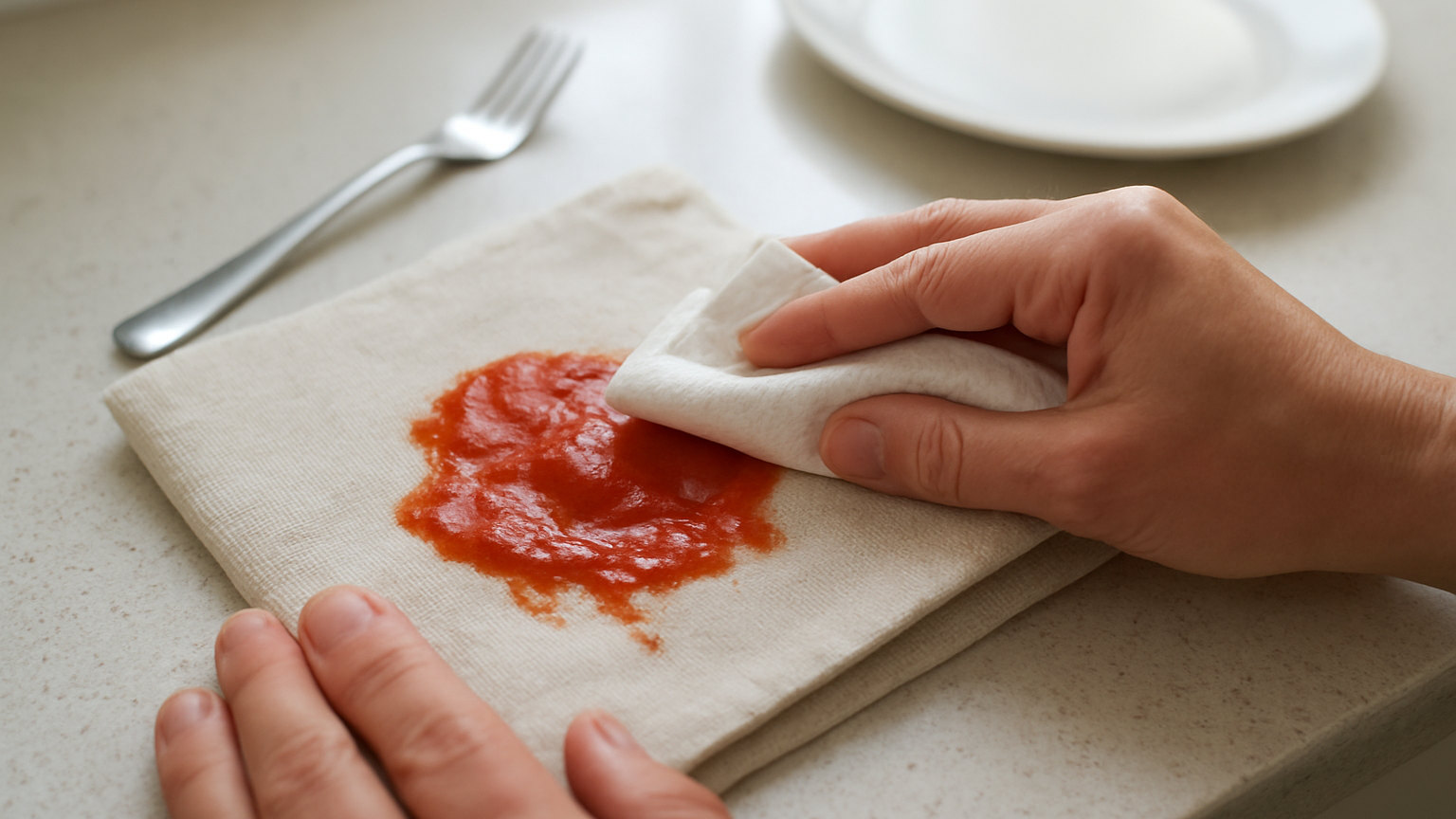
- Lift off the solids with a blunt edge.
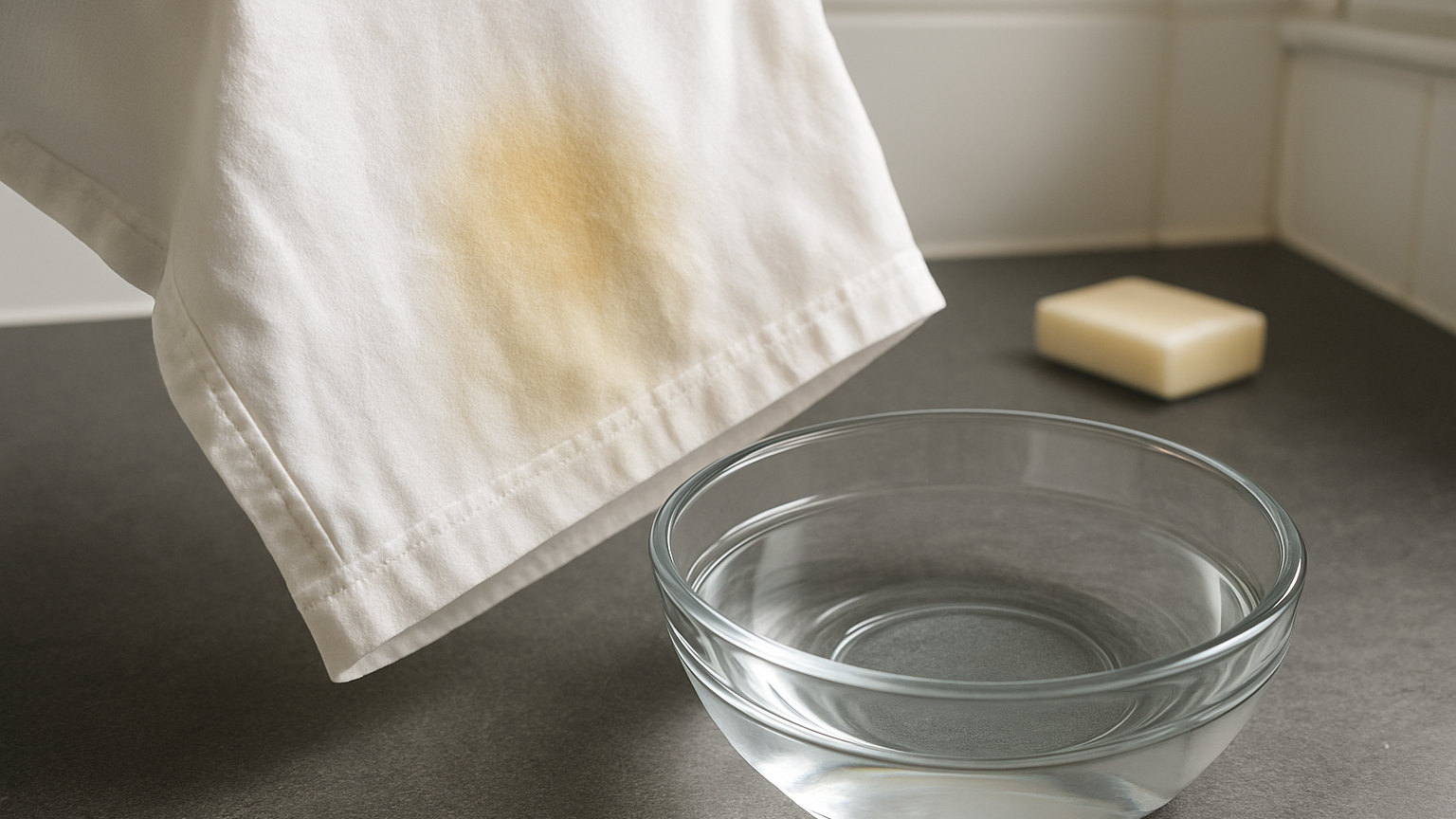
- Rinse the back of the fabric with cold water, which addresses the protein without setting it.
- Apply washing up liquid directly to the mark and work it in gently, which tackles the fat.
- Leave it for five to ten minutes.
- Rinse in cool water.
- Soak in cool water with a biological detergent for thirty minutes to break down the remaining protein.
- Wash at 30 or 40 degrees, checking before drying.
Cold first, then detergent, then warm. Reversing the first two steps risks setting the protein before the fat has been removed.
Why not go straight to hot water?
Because the protein element sets in heat and locks the pigment in with it. Hot water would deal with the fat more efficiently, and that advantage is outweighed by making the rest of the stain permanent.
Once the protein has been broken down by cold soaking and enzymes, a warm wash is safe and helps with anything oily that remains.
What works on the brown mark that is left?
The pigment is usually the last element and responds to oxidising treatment. On white and colourfast fabric, soak in warm water with an oxygen bleach booster for a few hours, then wash normally and dry in sunlight.
On coloured fabric, repeat the detergent and enzyme stages and rely on sunlight, which lifts a surprising amount of food pigment.
How do different sauces vary?
- Gravy and meat sauces – fat, protein and pigment. The full sequence above.
- Tomato based sauces – pigment in oil, with little protein. Detergent first, then sunlight.
- Cream and cheese sauces – heavy on fat and protein, light on pigment. Cold rinse, detergent, enzyme soak.
- Soy and brown sauces – mostly pigment and salt, largely water soluble. A cold rinse and a normal wash usually clears them.
- Mayonnaise and salad dressing – mostly oil. Washing up liquid and warm water.
What about tablecloths and napkins?
These are usually cotton or linen, which tolerates everything. Rinse immediately, treat with detergent, then soak the whole cloth rather than spot treating, since a tablecloth after a meal rarely has only one mark.
An overnight soak in warm water with an oxygen bleach booster deals with most of what a dinner leaves behind, followed by a wash at 40 or 60 and drying in sunlight.
What is the method for carpet and upholstery?
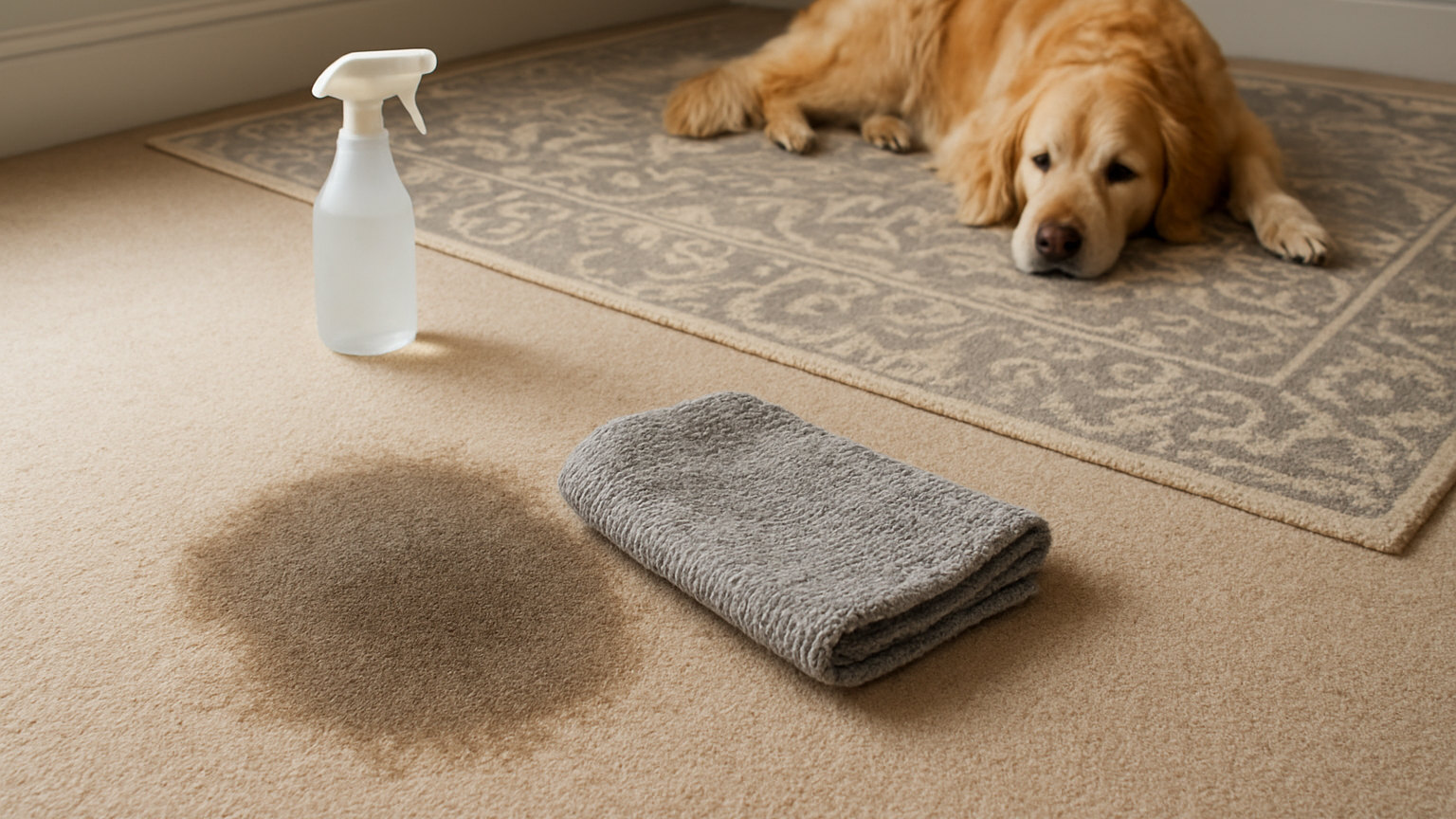
Scrape up the solids, blot with dry towels pressing hard, then apply cold water with a little washing up liquid to a cloth and dab from the outside inwards. Rinse by blotting with clean water and press a dry towel down under weight.
Follow with an enzyme cleaner for the protein element, particularly on carpet where a residue will smell later. Check the cleaning code before using water on upholstery.
What if the stain has dried?
Soak it in cool water for several hours to rehydrate the material before doing anything else. Dried gravy forms a crust that will not respond to surface treatment, and scraping at it damages the fabric.
After soaking, follow the normal sequence. Expect two rounds for a mark that has been left for days.
What is the most common mistake?
Putting the item in a hot wash immediately, which is the natural response to a dinner table accident and the one that sets the protein. A thirty second cold rinse before the garment goes anywhere near the machine changes the outcome entirely.
What about gravy on the carpet under a table?
This is the common version of the problem and it needs the enzyme stage more than the fabric version does. Gravy that soaks into carpet backing will smell within days even after the visible mark has gone, so apply an enzyme cleaner generously across the whole area the spill reached rather than only the part you can see.