Clothes coming out of a wash dirtier than they went in is a common complaint, and the type of mark tells you the cause. Grey smears, white powdery residue and small black flecks are three different problems with three different fixes.
What do grey or brown smears mean?
Biofilm transferring from the machine. The greasy deposit of detergent residue, fabric conditioner and body oils that builds in the drum outlet, the door seal and the pipework comes loose and deposits on the load.
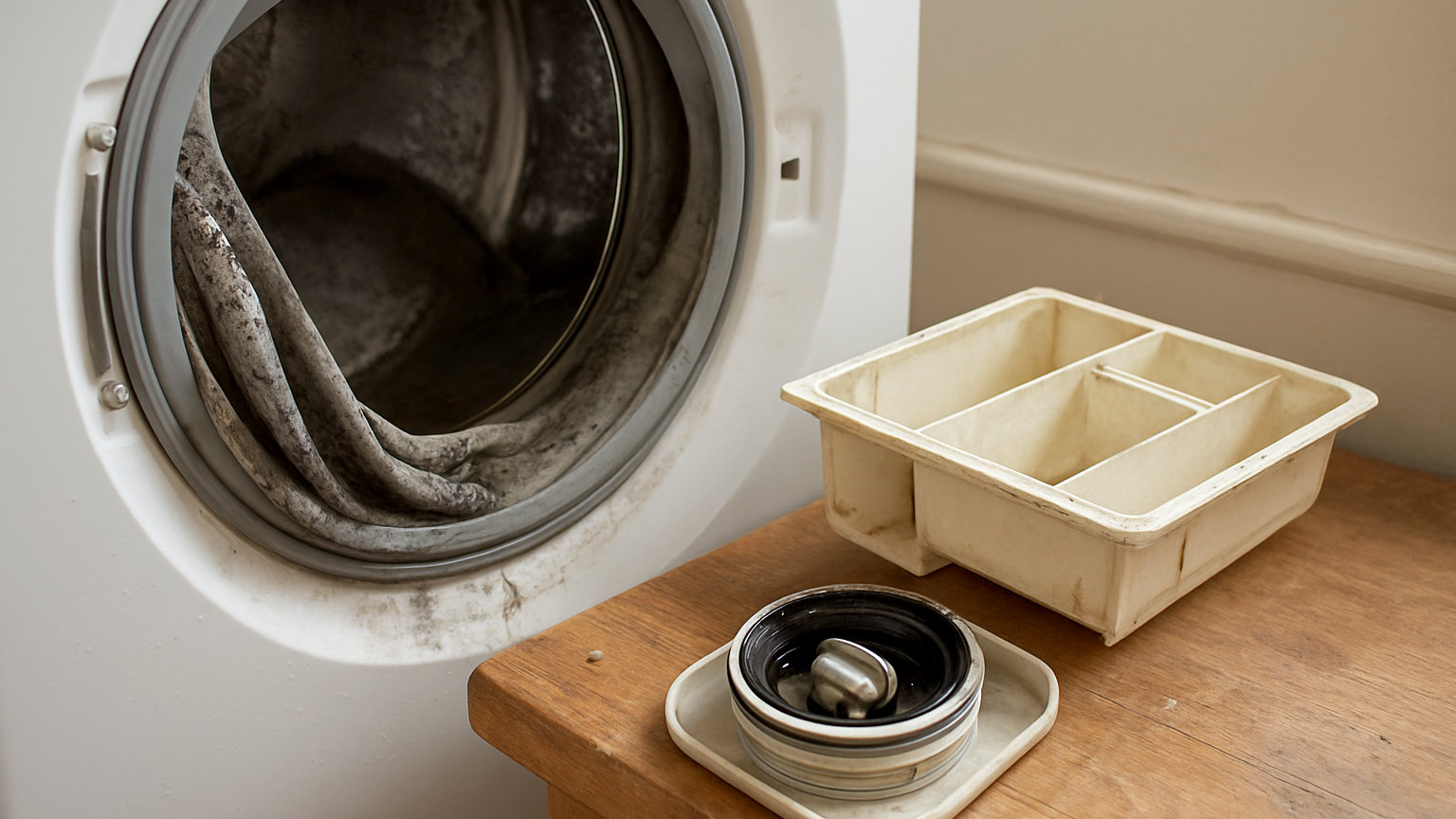
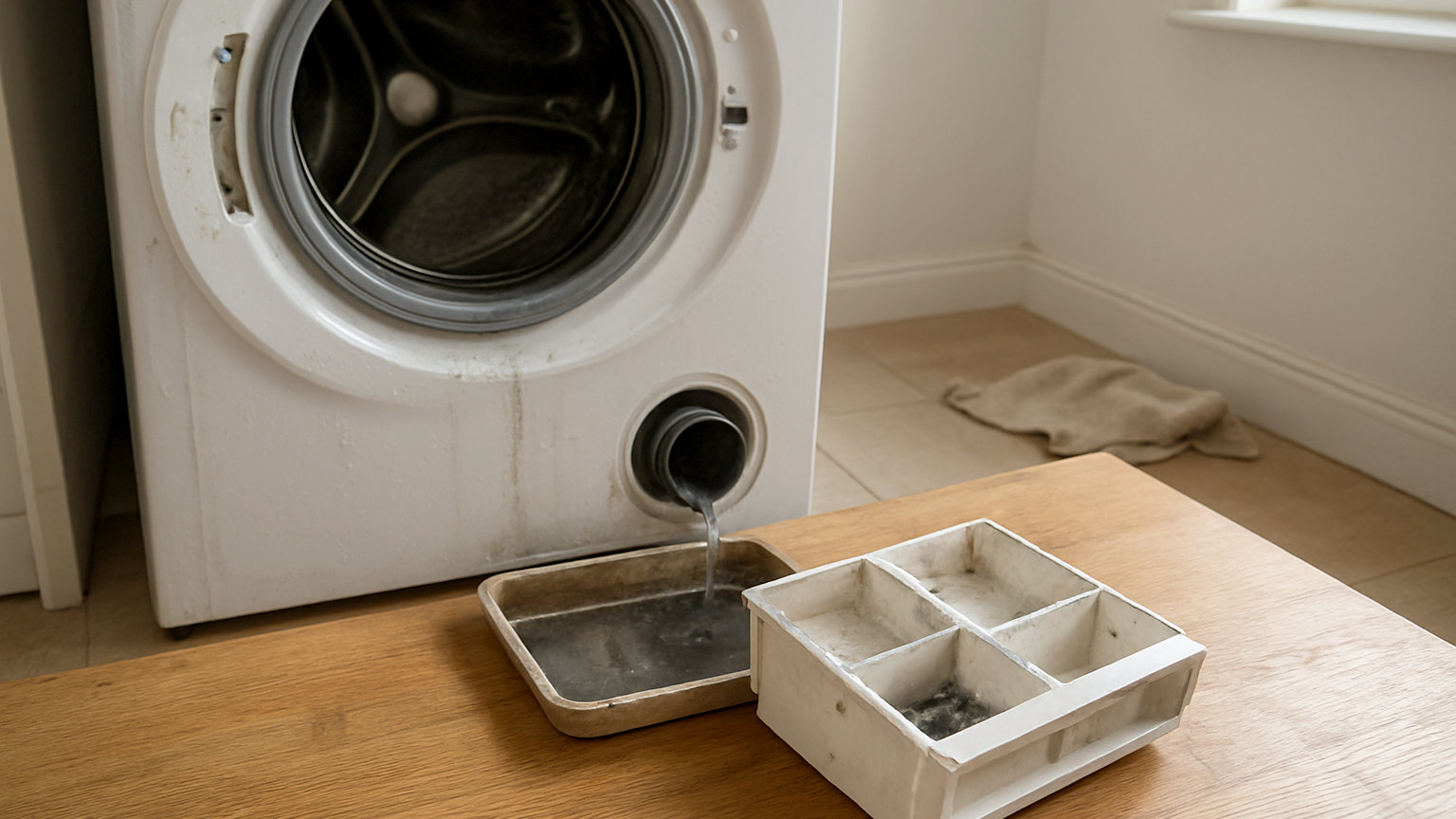
The fix is a thorough clean: seal, filter, drawer, then an empty cycle at 90 degrees with a double dose of powder detergent. Expect to run two hot cycles if the build up is significant.
What does white powdery residue mean?
Undissolved detergent, and there are several causes. Too much detergent for the load. Powder in a very cold wash where it cannot dissolve. Hard water reducing the effectiveness so more is used. An overloaded drum preventing proper rinsing. Or a blocked detergent drawer so the powder is not flushed in properly.
Reduce the dose, wash at 40 rather than 30 occasionally, load the drum less full, and clean the drawer.
What do small black flecks mean?
Usually mould from the door seal, or flakes of biofilm from the drum outlet. Sometimes disintegrated rubber from a perished seal or hose.
Check the seal fold first. Black specks accompanied by a smell are almost always mould; black specks with no smell may be rubber, which needs the seal and hoses inspecting.
What about greasy looking spots?
Fabric conditioner applied undiluted onto fabric, which happens when the conditioner compartment is overfilled or the siphon is blocked so it does not flush at the right time. It leaves translucent greasy marks that look like oil stains.
Clean the siphon insert in the drawer, use less conditioner, and never pour it directly onto clothes in the drum.
What about rust or orange marks?
Orange or brown spots suggest a metal item left in a pocket, a rusting drum spider, or iron in the water supply. Check pockets first, since a hair grip or a paperclip is the usual answer.
Rust marks that appear repeatedly in the same area of the drum need the machine looked at.
What about a general dinginess?
Usually detergent residue combined with washing too cool. Whites that have gone grey over time have a coating of soil that low temperature washing has never fully removed.
Run an oxygen bleach soak on the affected items, wash at a higher temperature with powder detergent, and reduce the dose you are using.
Is overloading the real cause?
Very often, and it produces several of these symptoms at once. Clothes need room to move for detergent to circulate and for rinsing to work. A drum packed tight leaves detergent in the fabric, which shows as residue and as skin irritation.
The usual guide is a hand span of space at the top of the drum with the load in place.
What is the checklist?
- Clean the door seal, drawer and filter.
- Run a hot empty cycle with powder detergent.
- Halve the detergent dose and see whether it improves.
- Stop using fabric conditioner for a month.
- Load the drum less full.
- Check pockets before washing.
- Wash at 40 rather than 30 at least some of the time.
What about marks that appear only on dark clothing?
These are almost always detergent or conditioner residue, which is invisible on white and obvious on navy and black. A load of dark washing coming out with pale streaks is the clearest possible sign that the dose is too high, and halving it usually resolves it within one wash.
Do the marks wash out?
Residue does, on a rewash with no detergent at all and an extra rinse. Biofilm smears usually do as well, once the machine itself has been cleaned. Rust marks and anything that has been through a tumble dryer are the two that may not, since heat sets both.