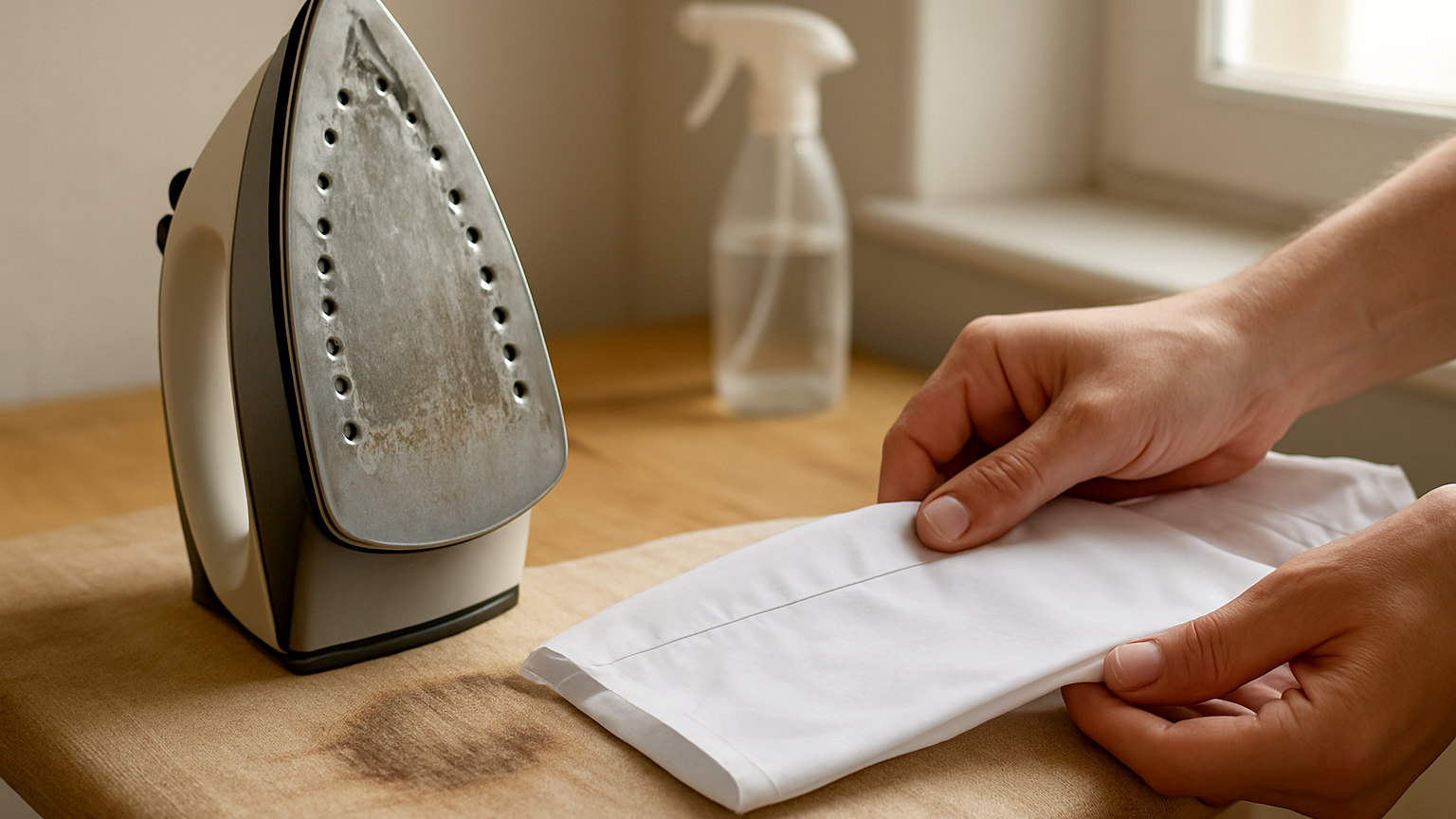
A steamer and an iron do different things. An iron applies heat and pressure to flatten fabric against a hard surface. A steamer applies moisture and heat to relax the fibres so gravity can pull the creases out. That difference decides which is better for any given garment, and it means most households benefit from having both.
What is a steamer genuinely better at?
- Hanging garments, which can be dealt with on the rail without a board.
- Jersey, knitwear and anything with a drape, which an iron flattens and spoils.
- Delicate fabrics that cannot take direct contact with a soleplate.
- Anything with beading, sequins or applied decoration.
- Structured items such as jackets, where an iron struggles with the shaping.
- Curtains still hanging, and bedding already on a bed.
- Refreshing clothes between wears, since steam helps with light odours.
- Speed, since there is no board to set up and no waiting for a pile to accumulate.
What can a steamer not do?
It cannot produce a sharp crease, because a crease requires pressure as well as heat. Trouser creases, shirt collars and cuffs, and anything requiring a crisp edge all need an iron.
It is also less effective on heavy cotton and linen, where deep creases need the weight of a soleplate to reset. A linen shirt can be improved by a steamer and cannot be properly finished by one.
How do you use one properly?
- Hang the garment on a sturdy hanger, ideally with some weight in it so the fabric hangs straight.
- Let the steamer come fully up to temperature before starting, or it will spit water.
- Work from the top downwards, holding the head a few centimetres from the fabric.
- Use your other hand to hold the fabric taut below where you are working, which gives the steam something to work against.
- Go over stubborn areas a second time rather than holding the head still.
- Let the garment dry and cool on the hanger for a few minutes before wearing it.
Does it wet the clothes?
Slightly, and that is normal. The garment should feel faintly damp and should dry within a few minutes. Genuine wet patches mean the steamer was used too close to the fabric, was not up to temperature, or is due a descale.
On silk and viscose, keep the head further away and avoid any chance of a droplet landing, since both water spot permanently.
Which type should you buy?
Handheld models are cheap, quick to heat and suit occasional use, travel and small items. The tank is small, so they run for perhaps ten minutes before refilling, and the steam output is modest.
Upright models with a separate water tank and a hose deliver continuous steam for long periods and handle curtains, coats and bulk far better. They take up storage space and cost more.
For most households a handheld is enough. For anyone with a lot of curtains or a wardrobe of tailoring, an upright earns its place.
Is it safe on everything?
Almost. Avoid steaming leather and suede, anything waxed or coated, and anything with glued rather than stitched construction, where moisture can soften the adhesive. Test on an inside seam with unfamiliar fabrics.
Never steam a garment while it is being worn, which sounds obvious and is a common cause of burns.
Does it need maintenance?
Descaling, on the same basis as an iron. Scale reduces the steam output and eventually blocks the head, and in a hard water area a steamer used regularly needs attention every month or two. Empty the tank after every use rather than leaving water standing in it.
Which should you choose if buying only one?
An iron, if you wear shirts or tailored trousers regularly, since a steamer cannot produce what those need. A steamer, if your wardrobe is mostly jersey, knitwear and dresses, because it will actually get used and an iron will sit in a cupboard.