Bicarbonate of soda is mildly alkaline and slightly abrasive, and in laundry it does two useful things: it softens the water, which lets detergent work more effectively, and it neutralises acidic odour compounds. It is an assistant to detergent rather than a cleaning agent, and expecting it to clean on its own is where disappointment comes from.
How does water softening help?
In hard water, dissolved calcium and magnesium react with detergent and take part of it out of circulation, so the effective dose is lower than what you poured in. Bicarbonate binds some of those minerals, freeing the detergent to do its job.
The practical effect in a hard water area is that a normal detergent dose performs like a larger one, which improves cleaning without increasing residue.
How does it deal with smells?
Odour compounds are often acidic, and an alkaline substance neutralises them chemically rather than covering them. That is why it works in a fridge, in a bin and in a wash, and why it is genuinely effective on sweat and body odour in fabric.
It is less effective on alkaline residues, which is where vinegar takes over. The two address opposite ends of the scale, which is why both appear in laundry advice and why using them together in one step achieves nothing.
How much should you use?
Half a cup, roughly 100g, added directly to the drum with the clothes rather than to the drawer, where it can clump and block the dispenser. For a heavy odour problem, a full cup.
It works alongside a normal detergent dose rather than replacing part of it.
What is the difference from soda crystals?
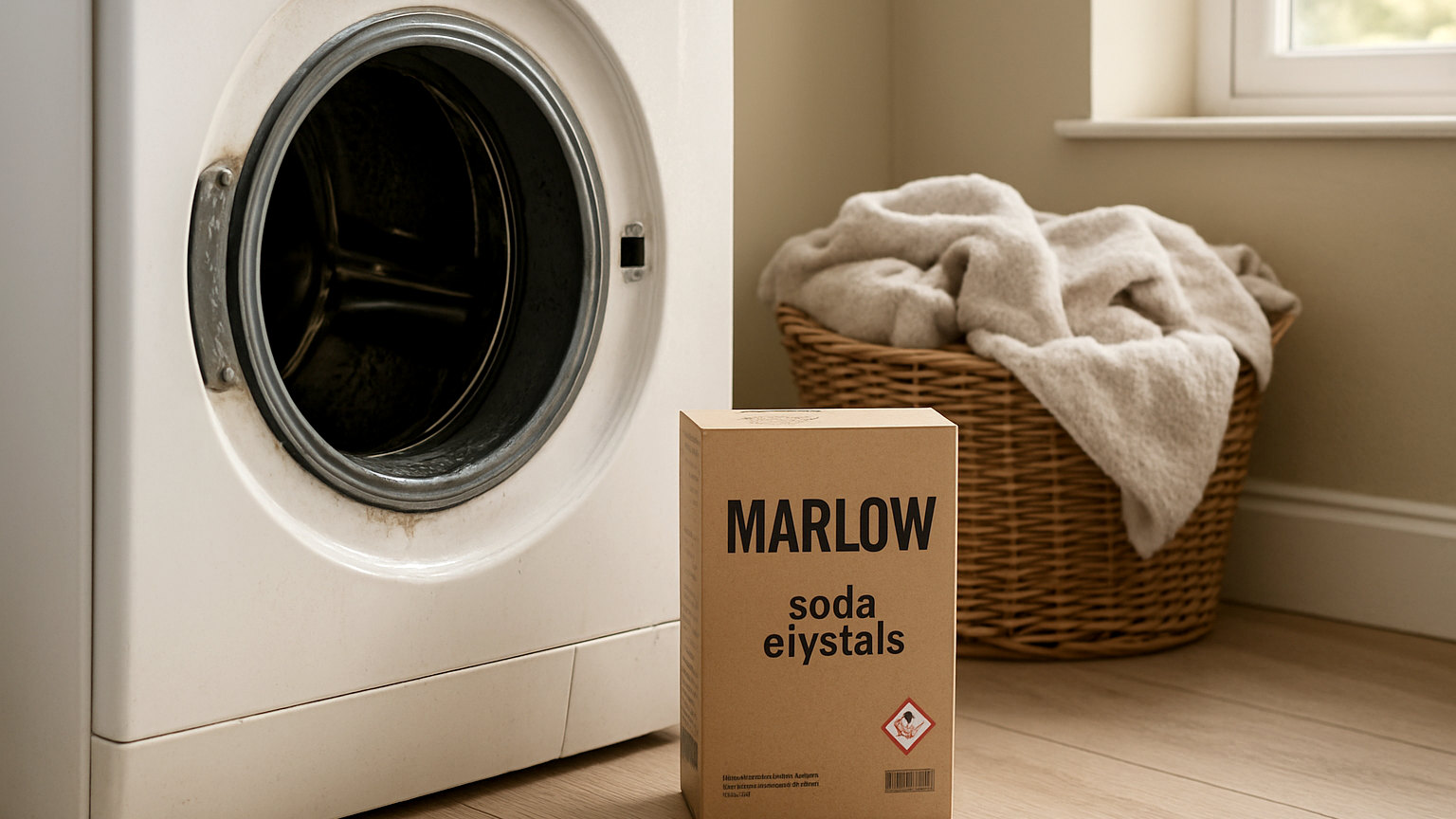
They are different chemicals with different strengths. Bicarbonate of soda is sodium bicarbonate, mild and safe on most fabrics. Soda crystals are sodium carbonate, considerably more alkaline and much more effective at cutting grease and softening water.
Soda crystals are the better choice for cleaning the machine itself, for greasy work clothes and for a stripping wash. Bicarbonate is the gentler option for routine use and for anything delicate.
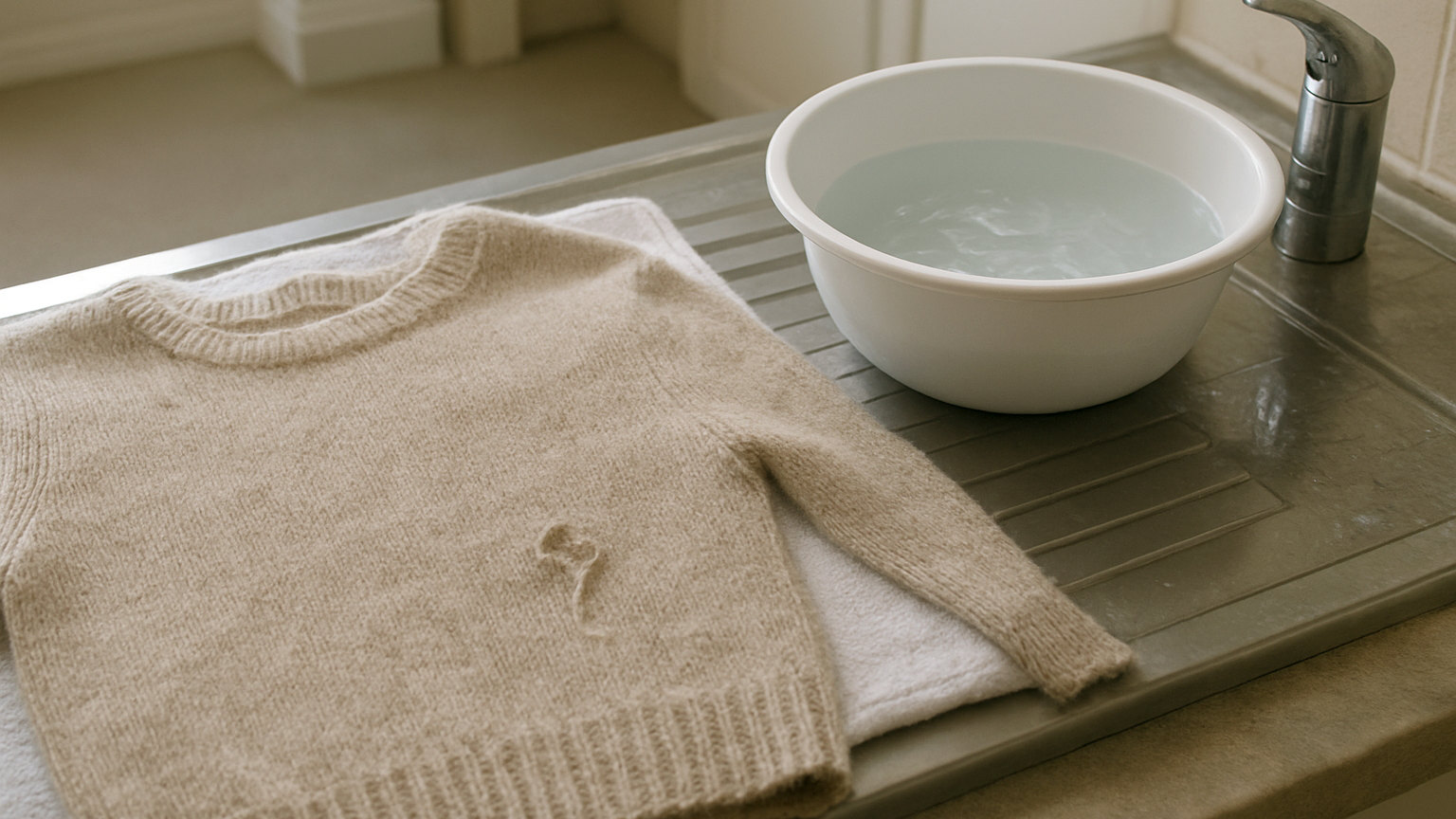
Soda crystals should not be used on wool, silk or anything with elastane, since the high alkalinity damages protein fibres and degrades elastic.
What is it genuinely good for?
- Sports kit and anything with body odour.
- A wash in a hard water area, where it improves detergent performance.
- Towels and bedding that have started to smell.
- Freshening items that cannot be washed, sprinkled dry and vacuumed off.
- Pre-treating a stain as a paste, where its mild abrasion helps.
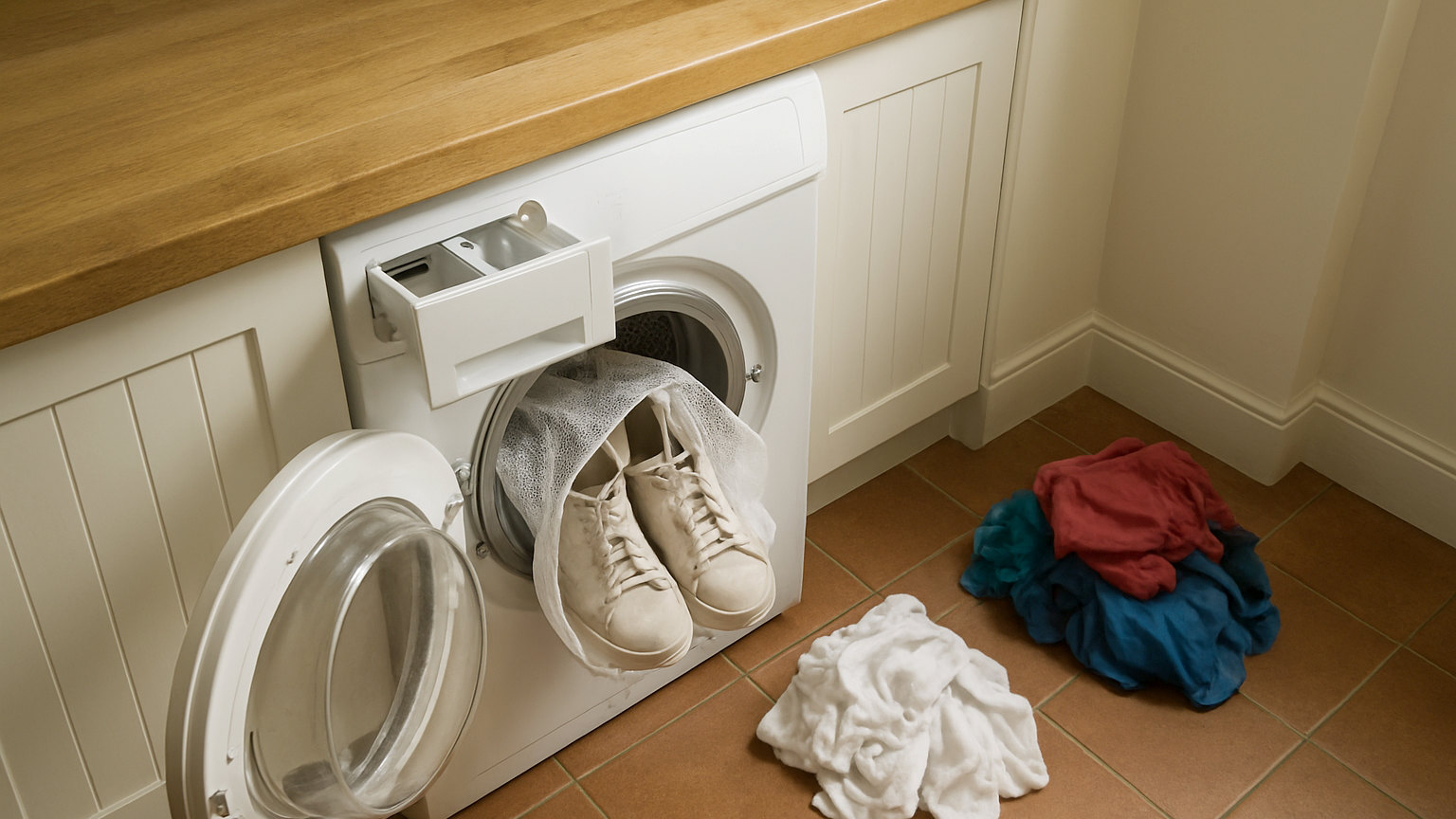
- Deodorising shoes, a bin or a fridge.
What will it not do?
It will not clean clothes on its own, will not whiten in the way oxygen bleach does, and will not remove grease effectively. Claims that it replaces detergent are not supported by how it behaves, since it lacks the surfactants that lift and suspend soil.
It is cheap and harmless, which makes it easy to overstate.
Can it be used with vinegar?
In the same wash, in separate stages, yes. In the same step, no. Mixing an acid and an alkali neutralises both and produces carbon dioxide, which is the fizzing people find convincing and which accomplishes nothing in a washing machine.
Use bicarbonate in the wash and vinegar in the rinse, or use them in separate cycles.
Is it safe on all fabrics?
On most, yes, at laundry dilutions. Avoid it on wool and silk, which are protein fibres and prefer neutral or slightly acidic conditions. Test on anything with a delicate dye, since alkalinity can affect some colours.
Does it damage the machine?
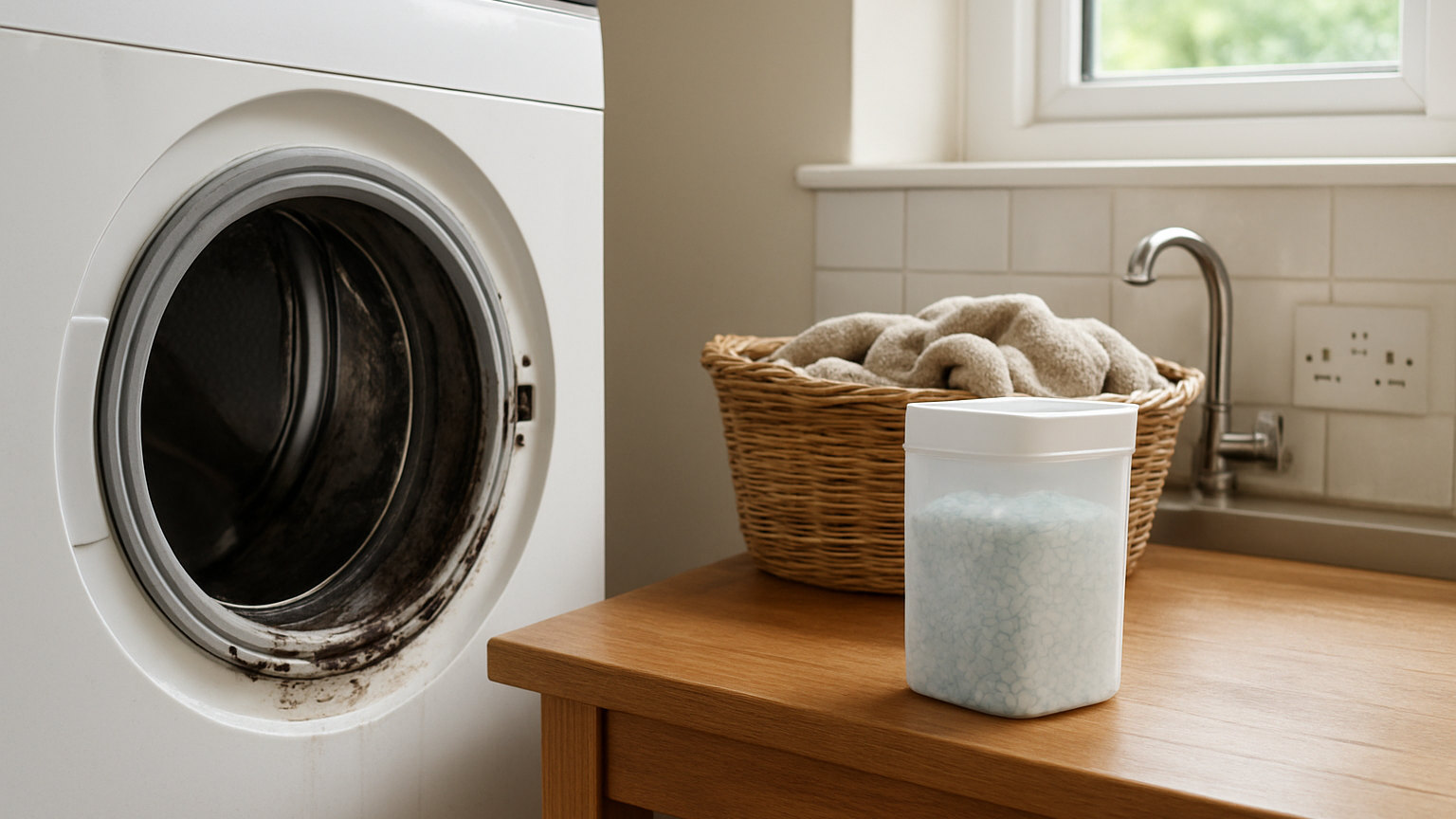
No, unlike vinegar it raises no questions about seals and hoses, and it is one of the ingredients in many commercial machine cleaners. Add it to the drum rather than the drawer, since undissolved powder in a dispenser will clump and eventually block the siphon. Adding it to an empty hot cycle occasionally helps keep the drum clear.