A sour smelling towel has been colonised by bacteria while it was damp, and the residue those bacteria leave behind is bound into the fibres. An ordinary wash removes the visible soil and leaves the residue, which is why the towel smells clean when dry and sour again within seconds of being used.
What causes it in the first place?
- Towels left damp, folded on a rail or dropped on a floor, where they stay wet for hours.
- Too much detergent, leaving residue that holds moisture and feeds bacteria.
- Fabric conditioner, which coats the fibres, reduces absorbency and adds to the residue.
- Washing too cool, so bacteria survive the cycle.
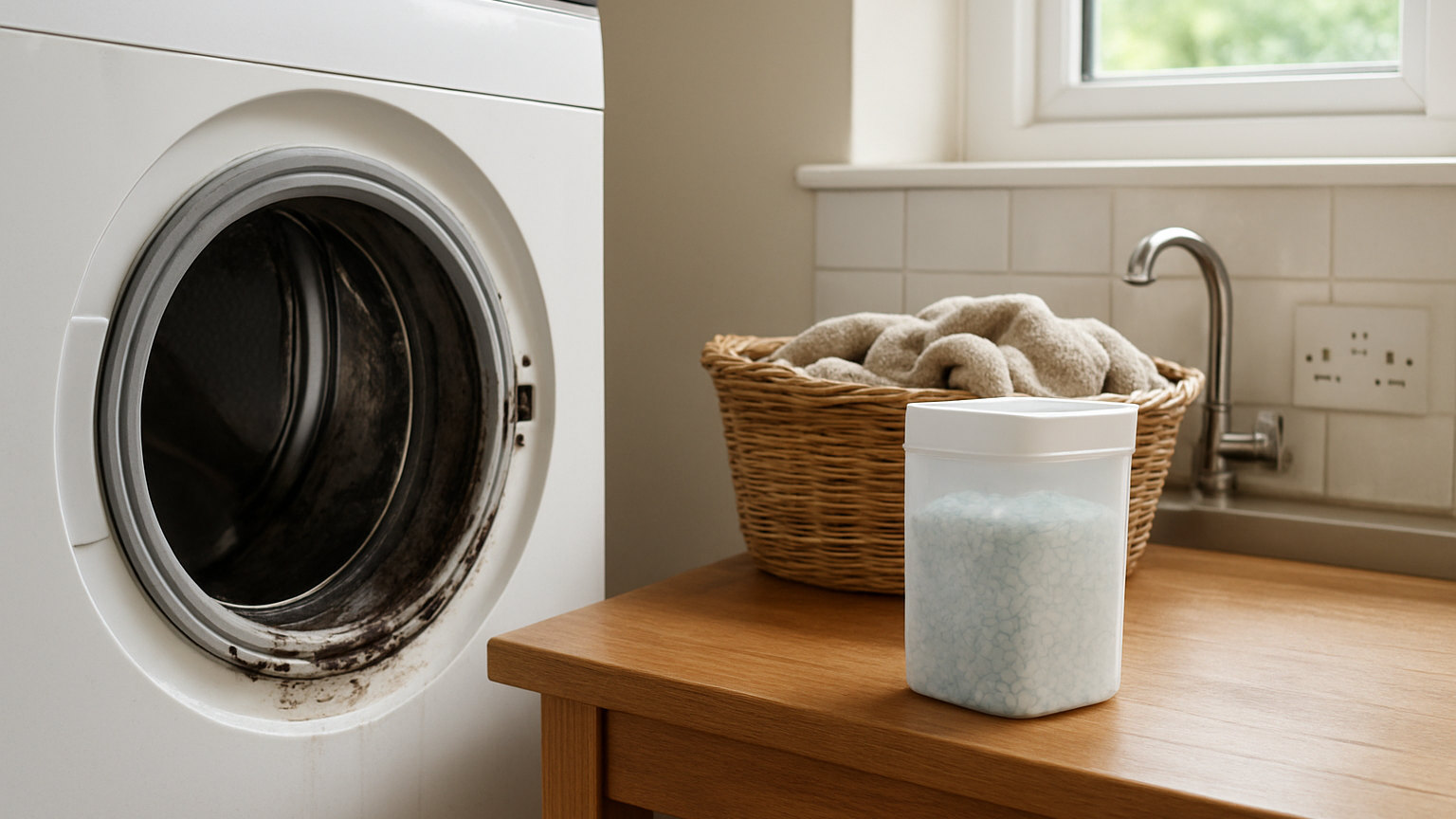
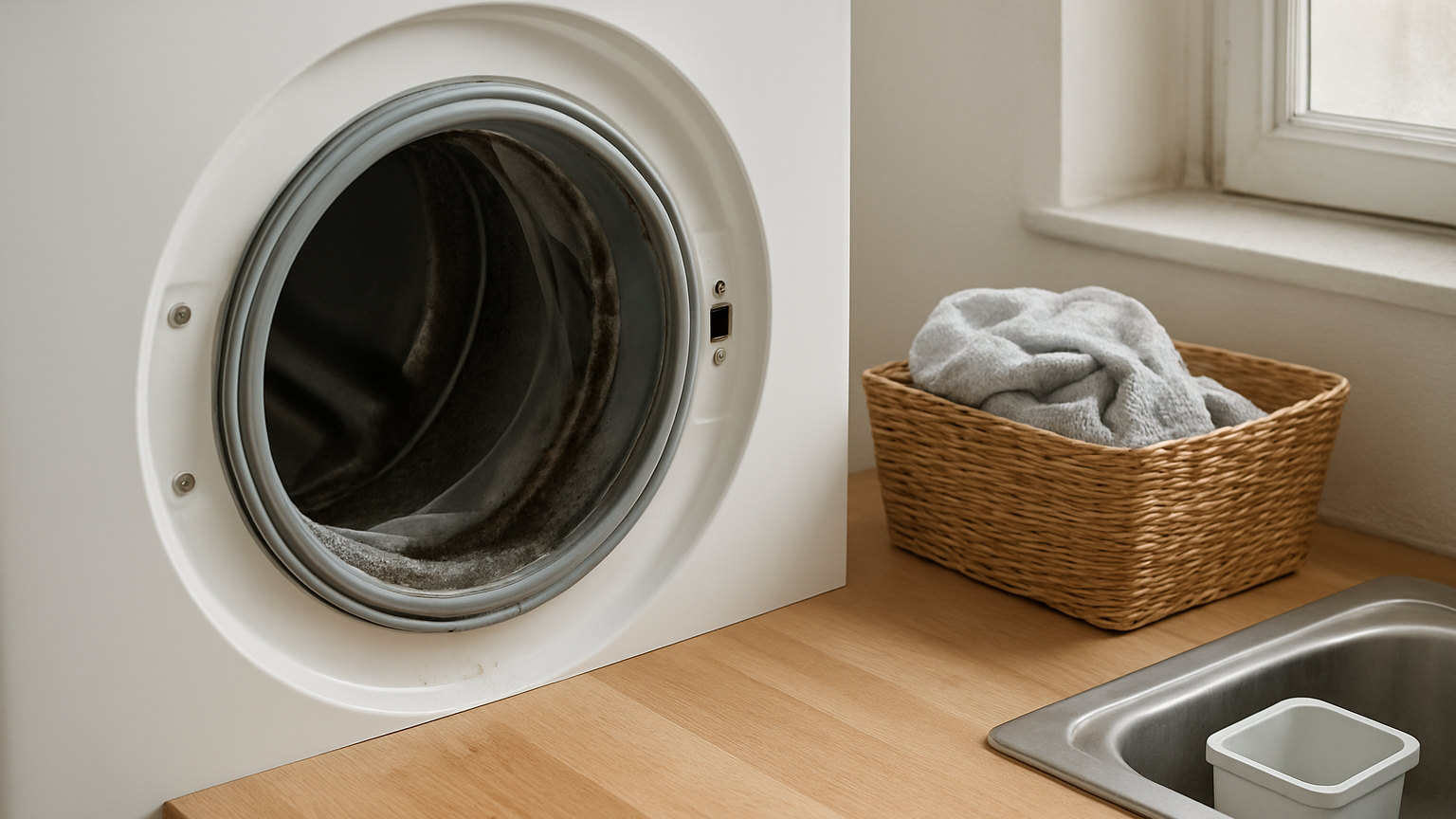
- A dirty washing machine, transferring odour into every load.
- Slow drying, which gives bacteria hours to establish before the towel is dry.
What is the stripping wash?
The treatment that clears it, and it takes three cycles.
- Wash the towels at 60 degrees with no detergent and no conditioner at all.
- Run a second cycle at 60 with a cup of white vinegar in the drum. Vinegar dissolves both bacterial residue and the mineral deposits from hard water.
- Run a third cycle with half a cup of bicarbonate of soda and a small dose of detergent.
- Dry them fully and quickly, ideally in a tumble dryer or outdoors.
Do not put vinegar and bicarbonate in the same cycle. They neutralise each other and the fizzing achieves nothing.
Why does it work?
Because the three passes attack different things. The detergent free wash removes the accumulated residue that normal washing keeps topping up. The vinegar breaks down the alkaline bacterial deposits and the limescale. The bicarbonate neutralises what remains and deodorises.
Most towels recover completely after one round of this, and noticeably improve in absorbency at the same time.
What temperature should towels normally be washed at?
Forty degrees for routine washes and 60 whenever they have been left damp or have started to smell. Sixty is the temperature at which the bacteria involved are reliably dealt with, and towels are one of the few household items where it is genuinely justified.
How much detergent should be used?
About two thirds of the recommended dose, and less than that for a part load. Overdosing is a primary cause of the problem rather than a defence against it, since the surplus cannot be rinsed out and becomes the residue the bacteria live in.
Skip fabric conditioner entirely on towels. It is the single most common reason towels stop absorbing and start smelling.
How should towels be dried?
Fast and completely. A tumble dryer on medium heat is genuinely better for towels than line drying, because the tumbling lifts the pile and the heat finishes the job quickly. Line dried towels benefit from ten minutes in the dryer at the end.
Between uses, hang towels spread out rather than folded over a rail. A folded damp towel stays wet for hours; a spread one dries in one or two.
What about the bathroom itself?
A bathroom that stays humid keeps every towel in it damp. Run the extractor for fifteen to twenty minutes after a shower, open the window, and make sure the towel rail is not in a cold corner with no air movement.
Giving each person their own towel, and washing them every three or four uses, does the rest.
When should a towel be replaced?
When a stripping wash and a hot cycle fail to clear the smell, when it has gone stiff and thin, or when it no longer absorbs after the residue has been removed. Towels are consumable, and one that has been souring for a year has usually reached the end.
How many towels should a household have?
Enough that nothing has to be reused while still damp, which usually means at least two bath towels per person plus hand towels. The practical cause of sour towels in most homes is not technique but shortage: a single towel per person means it never gets a full day to dry between uses, and that is exactly the condition bacteria need.