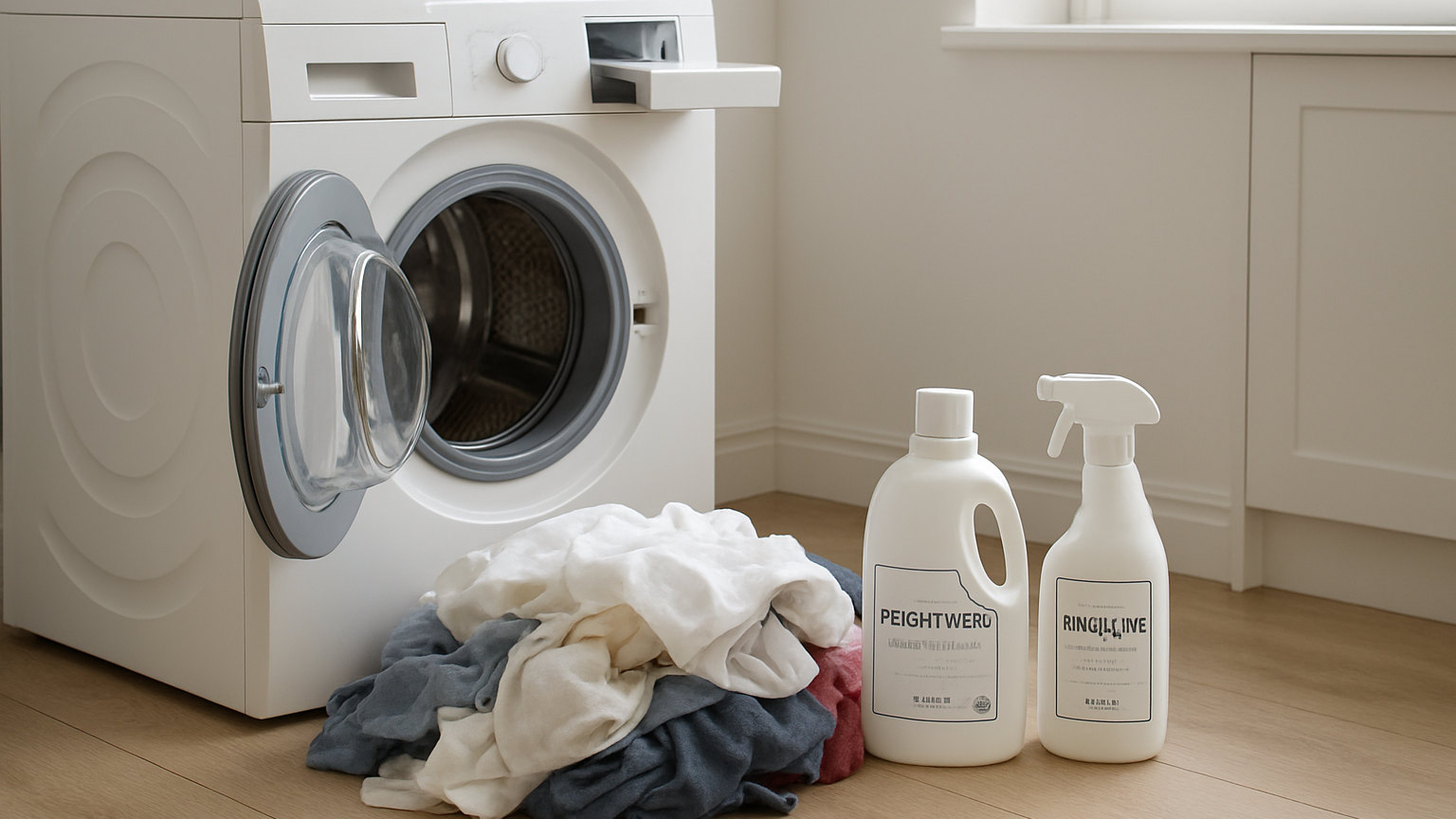
Fabric conditioner works by depositing a thin layer of positively charged compounds onto fabric fibres. That coating makes textiles feel softer, reduces static and carries fragrance. It also makes fabric water repellent, which is precisely the opposite of what several common household items need.
What does it actually do?
Three things. It lubricates the fibres so they feel smoother against skin. It neutralises the static charge that builds in synthetics, which reduces clinging. And it holds a fragrance that continues to release for some time after washing.
It does not clean anything, and it plays no part in removing dirt or odour. It is entirely a finishing product.
Which items should never have it?
- Towels – the coating reduces absorbency, which is the entire point of a towel. Repeated use leaves them feeling plush and drying nothing.
- Microfibre cloths and mop pads – conditioner clogs the fibre structure and destroys their ability to pick up dirt, permanently.
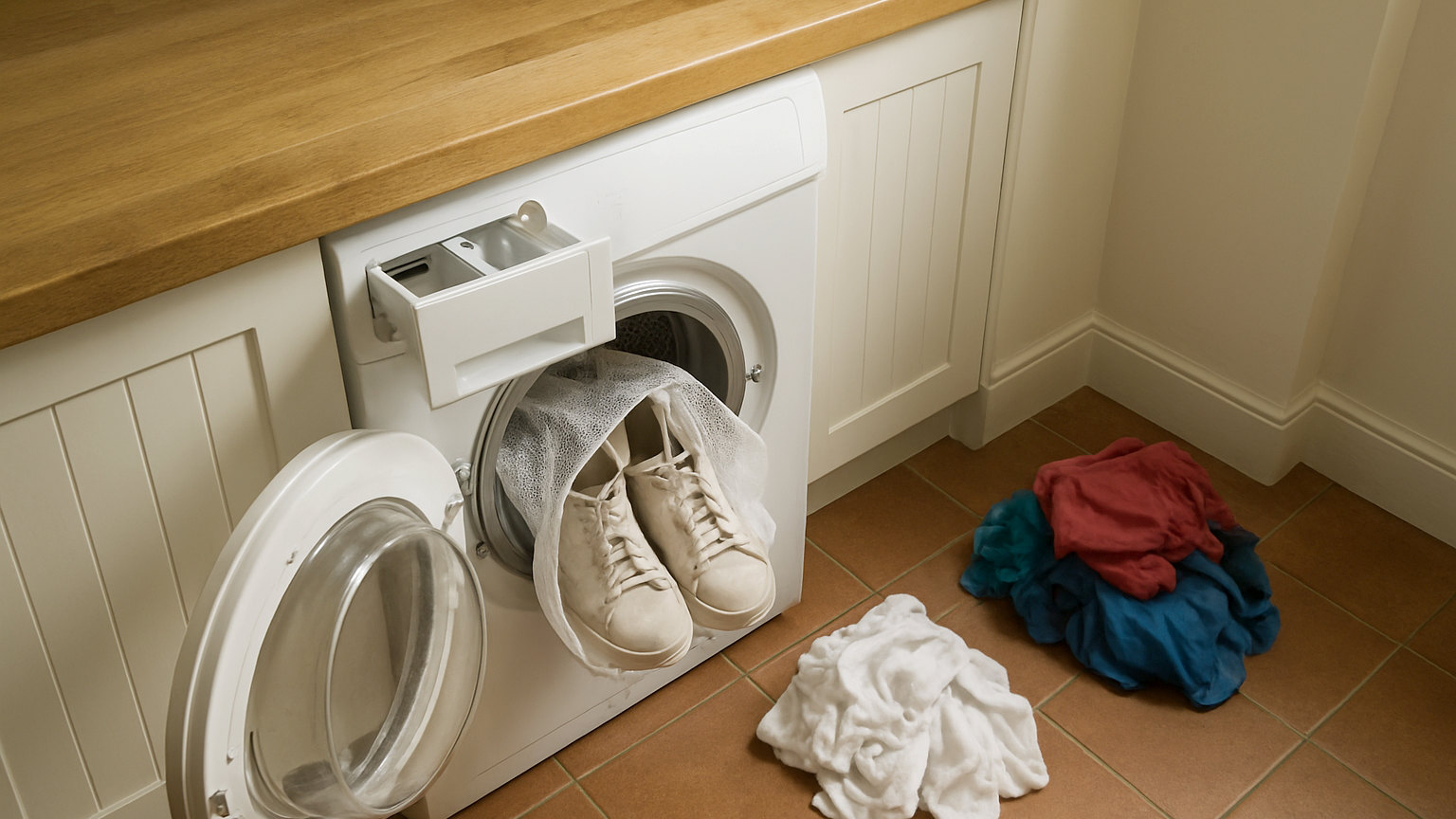
- Sportswear and technical fabrics – the coating blocks the wicking that makes them work, and traps the odour compounds they are prone to.
- Waterproofs and outdoor gear – it interferes with the water repellent finish.
- Flame resistant clothing, including children nightwear where the finish depends on the fabric treatment.
- Nappies and any absorbent item.
Is it bad for the washing machine?
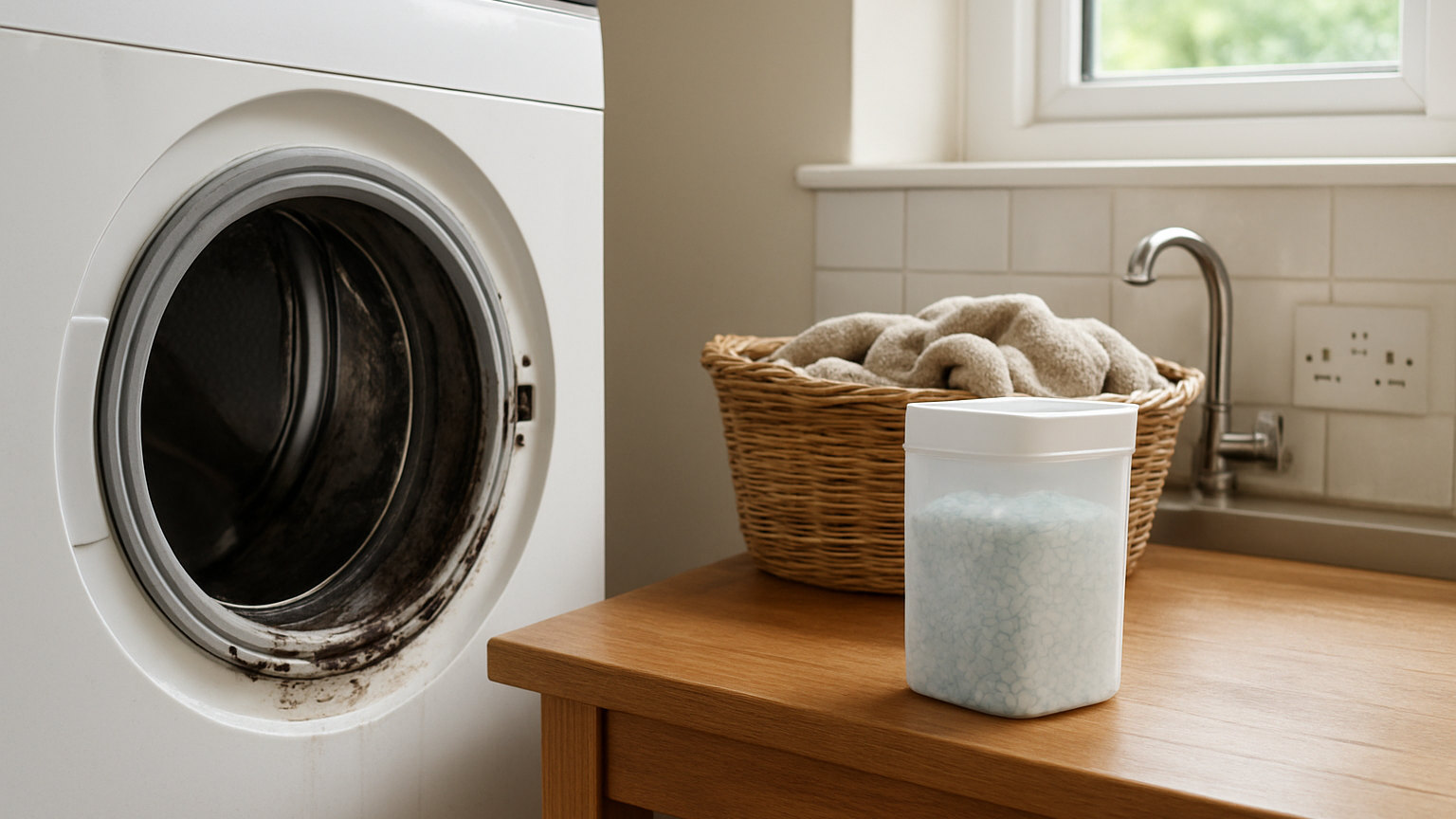
It contributes to build up. The waxy residue collects in the dispenser drawer, in the pipework and behind the door seal, where it combines with detergent residue and lint to form the grey sludge that smells. Households that use conditioner on every wash and never run a hot maintenance cycle are the ones most likely to have a machine that smells.
If you use it, clean the drawer regularly and run a hot empty wash monthly.
What can you use instead?
White vinegar in the conditioner compartment is the usual substitute. It helps rinse detergent out of the fabric, softens water slightly and leaves no coating. Use around 100ml, and the smell does not survive the rinse. It should not be used on anything with elastic or rubber over the long term, and not in a machine where the manufacturer advises against acids.
Wool dryer balls in the tumble dryer soften mechanically by separating the load and speeding drying, with no residue at all.
Beyond that, the main causes of stiff laundry are overdosing detergent, hard water and over-drying. Reducing the detergent dose, adding an extra rinse and taking things out of the dryer slightly damp does more for softness than conditioner does.
Why does washing feel stiff without it?
Usually because of detergent residue or hard water minerals left in the fibres rather than because the fabric needs softening. In a hard water area, line dried cotton in particular feels board-like. An extra rinse, a reduced detergent dose and a short tumble at the end of line drying all help considerably.
Does it affect skin?
The residue it leaves sits against skin all day, and the fragrance compounds in it are among the more common causes of contact irritation in laundry products. Anyone with eczema or sensitive skin is generally advised to leave it out entirely, along with using an extra rinse.
Is there any case for it?
Yes, in moderation. On bed linen, ordinary cotton clothing and anything prone to static, it does what it claims and some people value the feel and the scent. Used at half the recommended dose, on the right items only, and with a monthly maintenance wash, it causes very few problems.
The mistake is using it on every load by default, which is how towels stop absorbing and cleaning cloths stop cleaning without anyone connecting the two.
How much should you use if you do?
Roughly half the dose on the bottle, which is generous in the same way detergent doses are. It goes in the dedicated compartment of the drawer, never directly into the drum, where undiluted conditioner can leave blue or greasy marks on fabric that are difficult to remove afterwards.