A wash that leaves clothes still marked is frustrating and usually has a simple cause. Five explanations cover the overwhelming majority of cases, and only one of them is a fault with the appliance. Working through them in order is quicker than calling an engineer.
Is the drum overloaded?
This is the most common cause by a long way. Clothes are cleaned by moving through detergent solution, and a drum packed to the door cannot tumble. The fabric in the middle of the mass barely gets wet, which is why items come out with dry looking patches or with marks untouched.
Leave a hand span of space at the top of the drum for a cotton load, and about half the drum for synthetics. Try one deliberately smaller load and see whether the problem disappears.
Is the detergent dose wrong?
Both directions cause problems. Too little and there is not enough to lift and hold the soil. Too much and the machine cannot rinse it out, leaving a residue that looks like grey marks or streaks on dark fabric.
Grey streaking on dark clothes is almost always detergent residue rather than dirt. Run the affected items through a wash with no detergent and an extra rinse and see whether they improve.
Check the hardness of your water too, since a dose that works in a soft water area will underperform in a hard one.
Is the cycle right for the soil level?
A quick wash cannot clean a full load of heavily soiled clothing. It has less water, less time and fewer rinses, and it is designed for lightly worn items. Muddy kit, work clothes and anything greasy needs a full cycle, a higher temperature and often a prewash.
Cold washes also struggle with grease specifically. If the marks left behind are oily, raising the temperature to 40 will usually solve it.
Was the stain already set?
Many marks that survive a wash were set before the wash started, either by time or by heat. Protein stains such as blood, egg and sweat are set permanently by hot water, and a previous hot wash or a hot tumble dry will have fixed them.
Once a stain has been through a dryer it is very difficult to remove. Always check items before drying, and treat anything still marked rather than putting it through the heat.
Is the machine itself dirty?
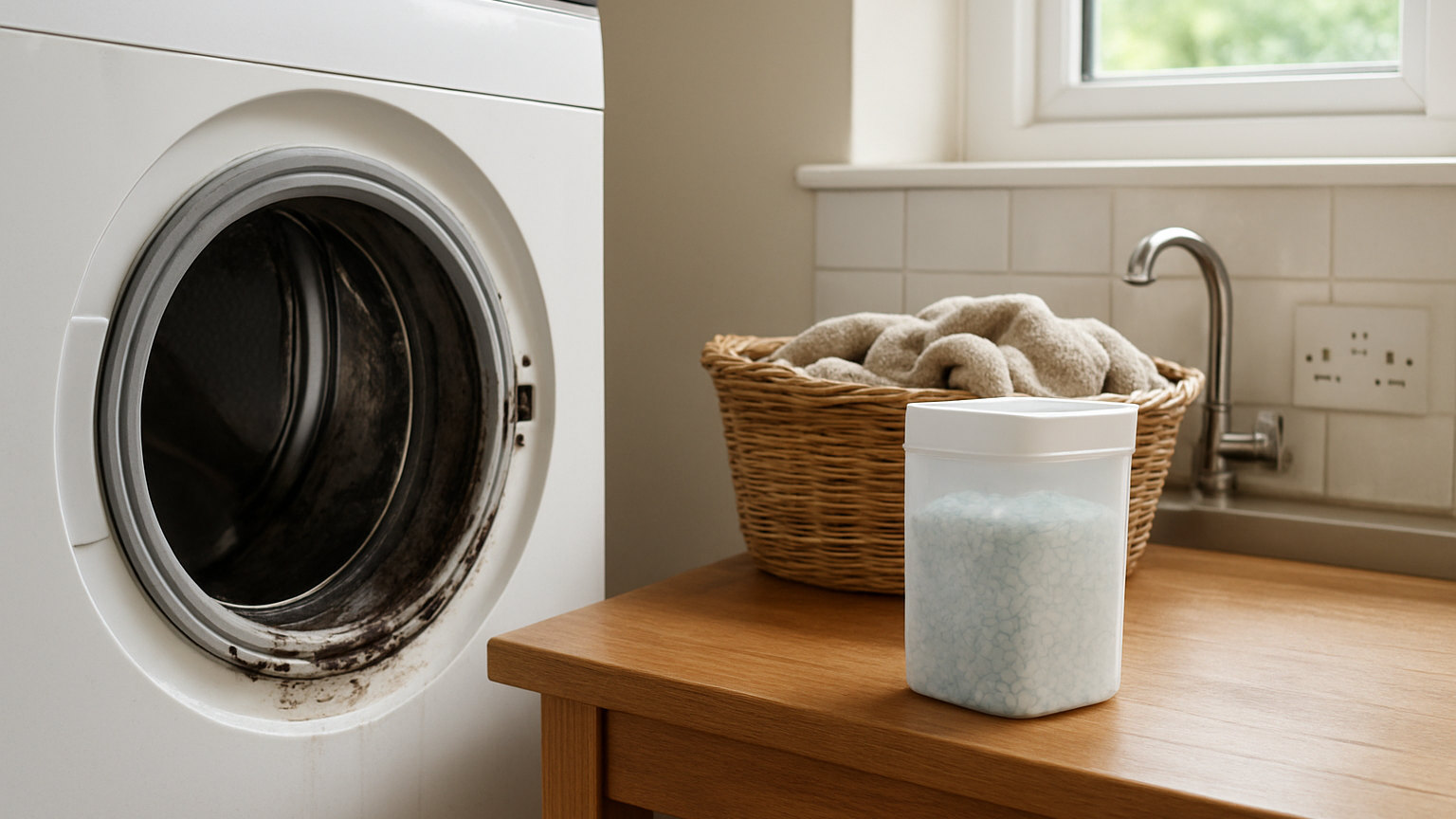
A washing machine that has been used exclusively on cold, short cycles with fabric conditioner builds up a layer of biofilm in the drum, the seal, the drawer and the pipework. That deposit can transfer onto clothing as grey smears or specks, and it is a genuine cause of clothes coming out dirtier than they went in.
Run an empty maintenance wash at 60 or 90 with a machine cleaner, clean the detergent drawer, wipe the door seal thoroughly including under the lip, and clean the filter at the bottom front of the machine. Do this monthly.
When is it actually a fault?
If none of the above helps, check whether the drum is filling with enough water, whether the water is actually heating, and whether the drum is turning at the expected speed during the wash. A blocked filter, a failed heating element or a worn drive belt all produce a machine that appears to run normally while doing very little.
A machine that has stopped heating is a common fault and easy to miss, since the cycle completes as usual. If cold washes and hot washes now give identical results, that is the likely explanation.
What should you check first?
Do one deliberate test load at half the usual size, with two thirds of the usual detergent, on a full cotton cycle at 40 degrees. If it comes out clean, the problem was loading or dosing rather than the appliance. If it does not, clean the machine thoroughly and repeat the test before considering a fault or calling anyone out.