The spin cycle removes water by centrifugal force, and the faster it goes the drier the load comes out. That saves drying time and energy, which is why higher spin speeds are marketed as a benefit. The trade-off is that a fast spin presses creases into fabric and puts stress on fibres and seams, so the right speed depends as much on what you plan to do next as on what is in the drum.
What do the numbers mean?
Spin speed is measured in revolutions per minute. Domestic machines typically offer between 400 and 1600rpm. The difference between 1000 and 1400 is meaningful but smaller than the numbers suggest, since water extraction improves with diminishing returns as speed increases.
- 1400 to 1600rpm – towels, bedding, jeans and robust cottons.
- 1000 to 1200rpm – general everyday clothing.
- 600 to 800rpm – synthetics, shirts and anything you want to iron easily.
- 400rpm or no spin – wool, silk, lace and heavily embellished items.
Why does a fast spin cause creasing?
Because the load is pressed hard against the drum wall in whatever position it happens to be in, and it stays there for several minutes. Creases set into the fabric under that pressure, and on cotton shirts and linen they can be difficult to iron out afterwards.
A lower spin leaves the load wetter, and the additional water weight helps the fabric hang out its own creases as it dries. For anyone who irons, dropping the spin speed on shirts saves more time at the ironing board than it costs at the airer.
When is a fast spin worth it?
For anything going into a tumble dryer, since every extra minute of tumbling costs far more energy than the spin does. For towels and bedding, which hold enormous amounts of water. And for drying indoors in winter, where a wetter load puts more moisture into the house.
A load spun at 1400 rather than 800 can cut tumble drying time by a noticeable margin, which is usually the larger saving overall.
Which items should barely be spun at all?
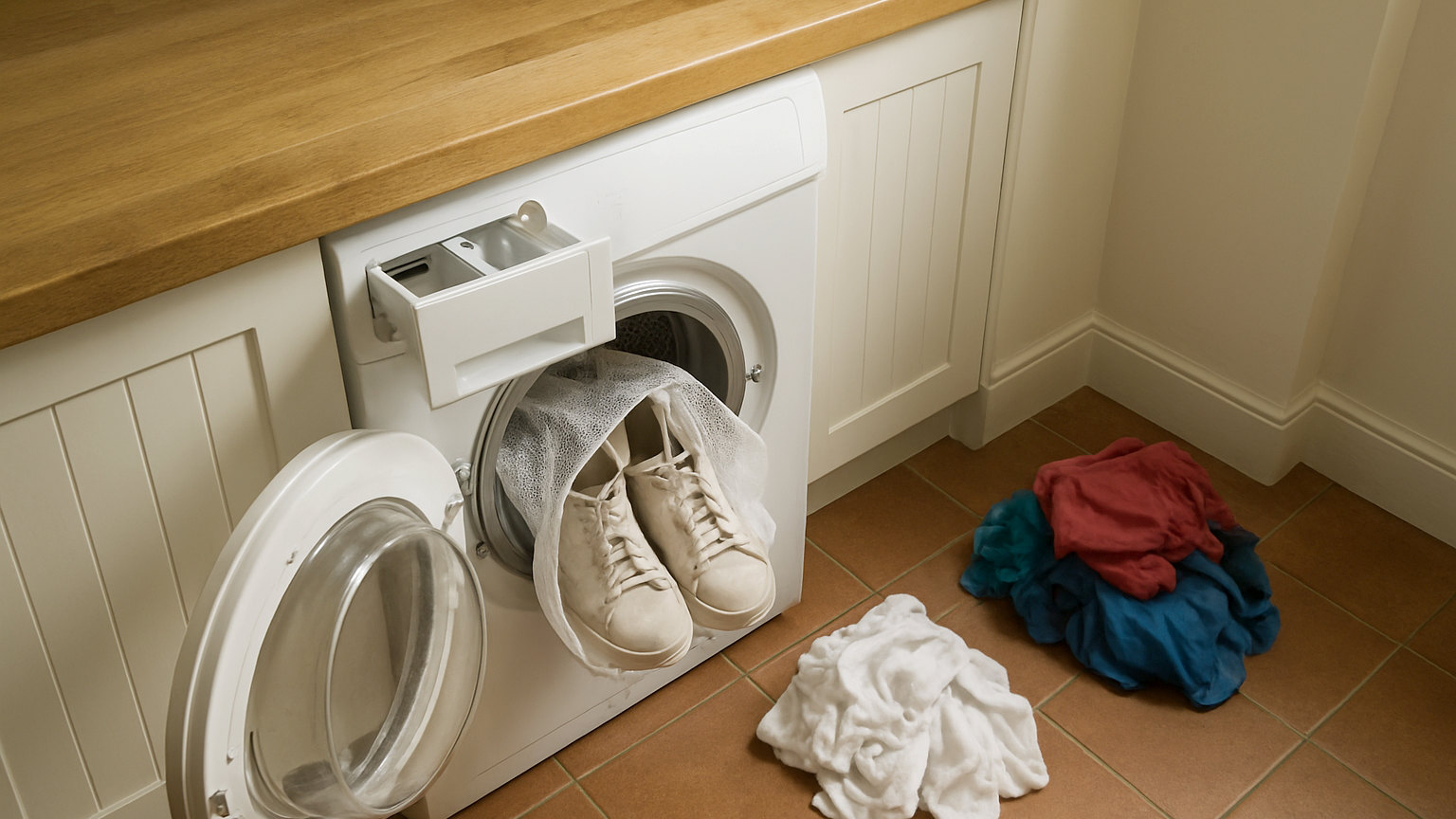
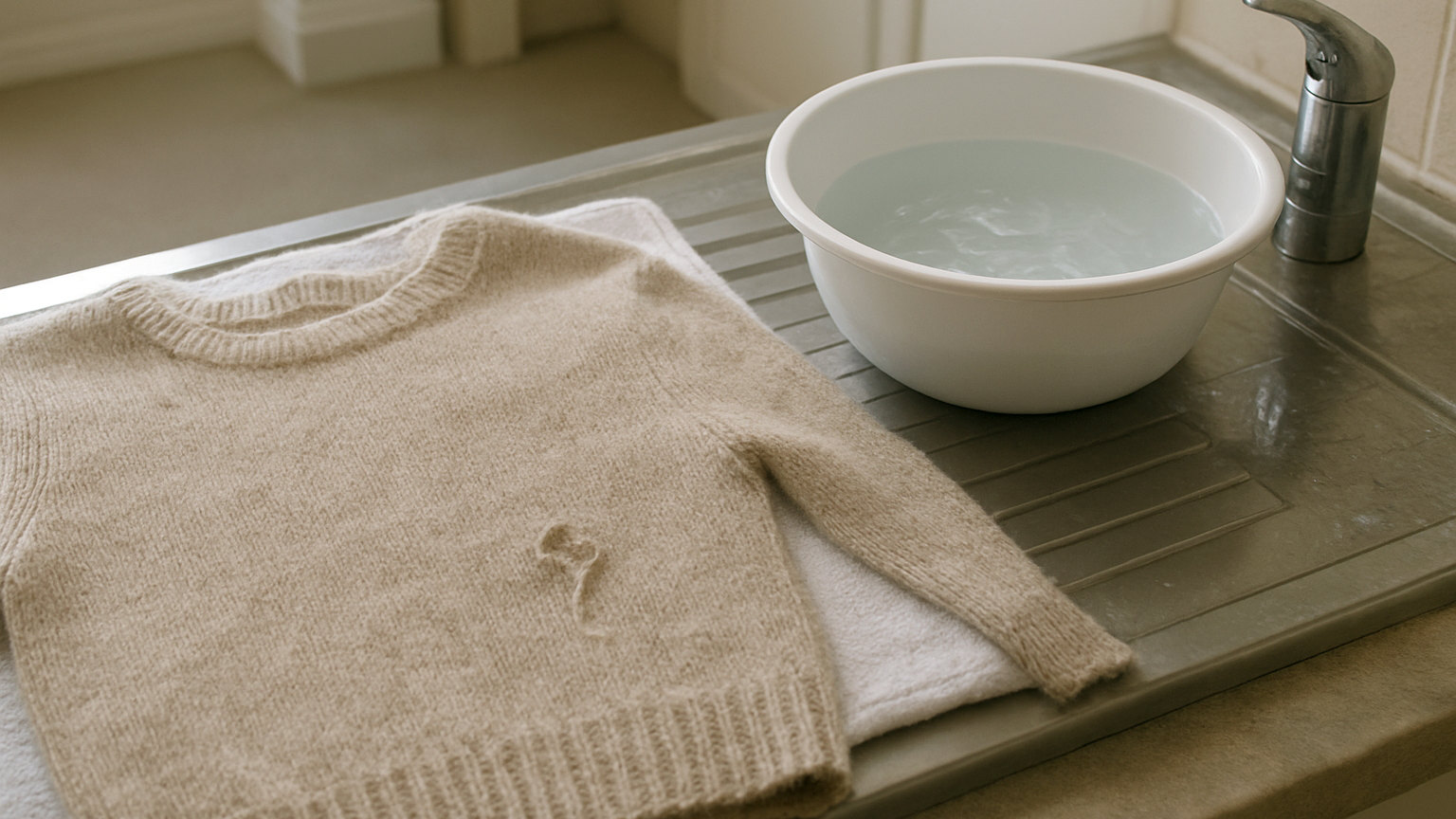
Wool, which stretches when heavy with water and can be distorted by the force. Silk, which creases badly and marks. Anything knitted loosely, which can pull out of shape. Structured garments such as bras. And anything with beading, sequins or applied decoration, which can be torn off against the drum.
For these, a short low spin or no spin at all, followed by rolling the item in a towel to press out water, is the safe approach.
Why does the machine not always reach the speed set?
Because it has detected an unbalanced load and reduced the speed to protect itself. A single heavy item, or a duvet cover that has wrapped around everything else, sits on one side of the drum and cannot be spun safely at high speed. The machine will usually stop, redistribute and try again, sometimes several times, which is why a cycle occasionally runs far longer than the display predicted.
Mixing garment sizes and fastening duvet covers largely prevents it.
Does a high spin damage the machine?
Not when used as designed, though repeated high speed spinning with unbalanced loads puts strain on the drum bearings, which are among the most expensive parts to replace. Loading sensibly does more for the life of the machine than avoiding the top speed.
What about a spin only cycle?
Useful for a load that has come out wetter than expected, for hand washed items that need water removing without wringing, and for anything that has been sitting in the machine for a few hours and needs a quick refresh before it goes out on the line. It is also the right way to take water out of items washed on a no spin setting, once they have been handled and supported properly, and it is worth knowing where the button is on your own machine before you need it.