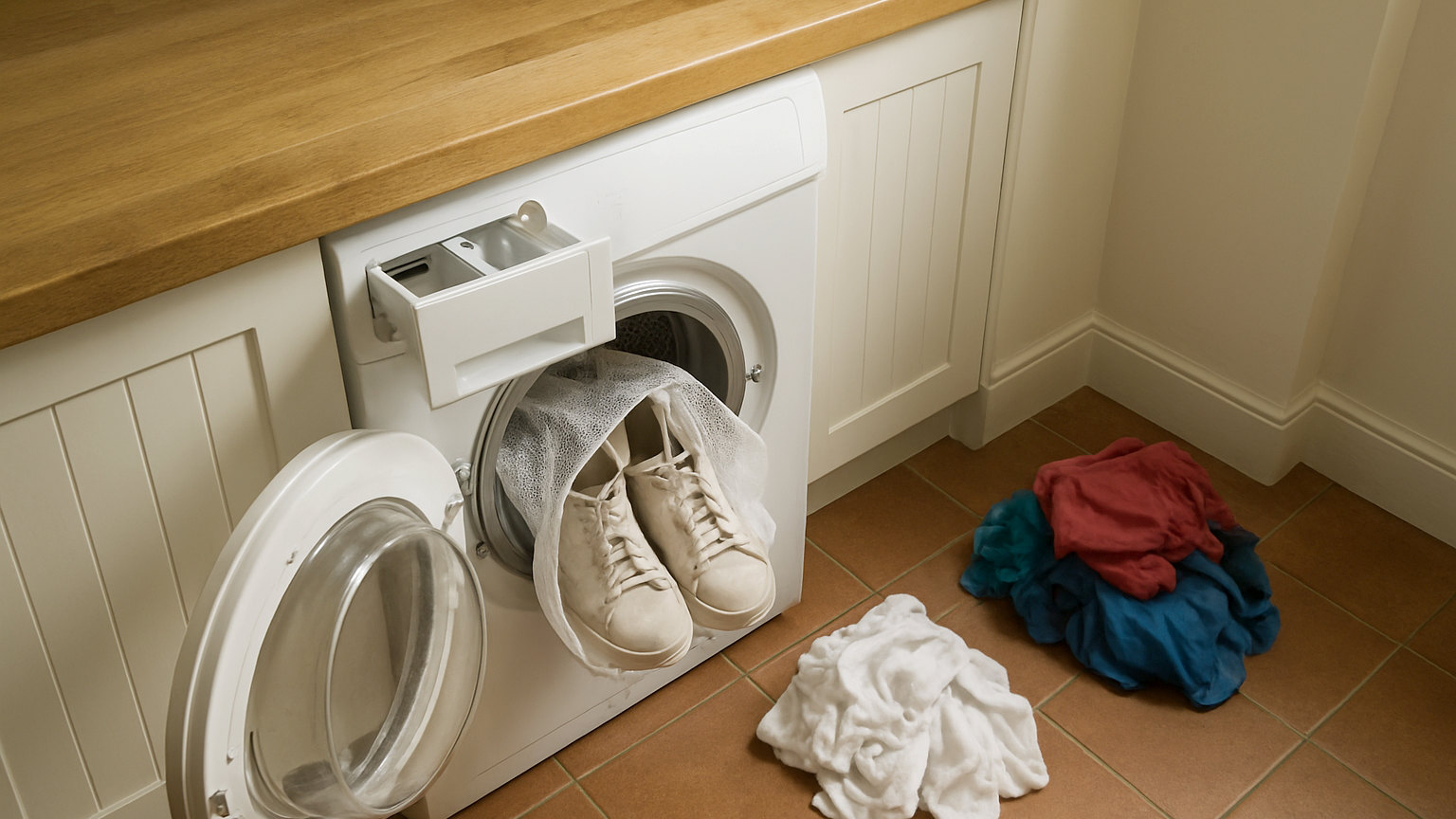
The most important thing about a colour run is what you do in the next few minutes. Dye that is still wet is loose and removable. Dye that has been through a tumble dryer or left to dry is heat set into the fibre and becomes extremely difficult to shift. Almost every failed rescue attempt begins with someone drying the load first to see how bad it is.
What should you do immediately?
- Do not dry anything. Not in a dryer, not on a radiator, not on a line.
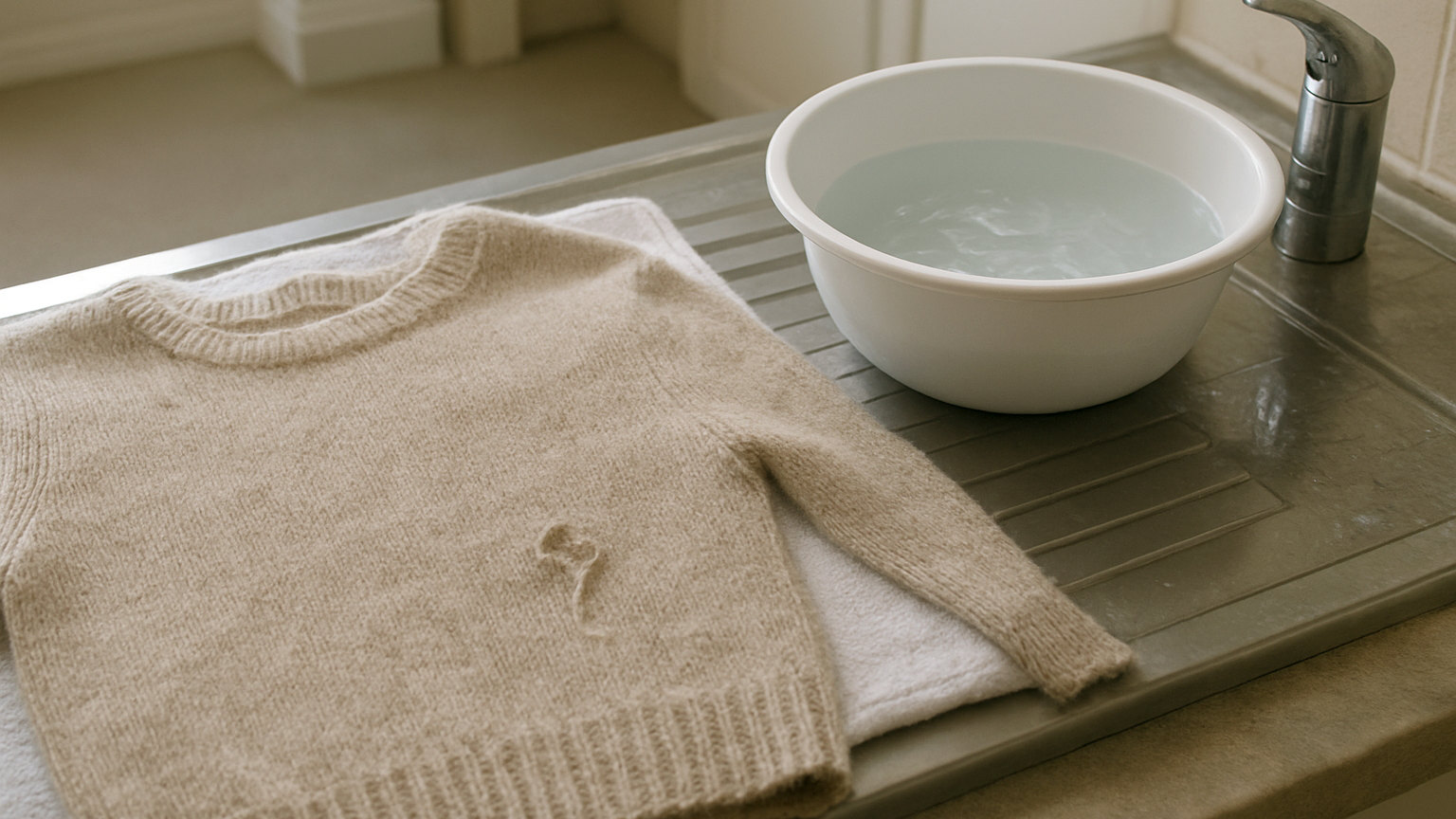
- Keep the affected items wet. Put them back in the machine or into a basin of cold water.
- Remove whatever caused the run, which is usually obvious.
- Rewash the affected load immediately in cold water with detergent and two or three colour catcher sheets.
- Check the result while still wet. If it has improved but not cleared, repeat.
A single rewash while everything is still wet clears a surprising proportion of light runs.
What if that does not work?
Use a proprietary colour run remover, which is formulated specifically for this and is considerably more effective than general laundry products. Follow the instructions closely, since most require a specific water temperature and a set soaking time.
These products are most effective on white and light cotton. On coloured fabric they can affect the original dye as well as the transferred one, so test on a hidden area first.
Can you use bleach?
On pure white cotton, chlorine bleach may work, though it is a last resort. It weakens the fibres, it cannot be used on anything with elastane, wool or silk, and it will remove any remaining pattern or trim colour.
Oxygen bleach used as a long soak is gentler and safer, and it is the better first attempt. Dissolve a generous dose in warm water, submerge the items fully and leave overnight.
What about coloured items that have been affected?
Harder, because anything that removes the transferred dye will usually affect the original colour too. A colour run remover marked as safe for colours is the only realistic option, and results vary.
For a mild transfer onto a dark garment, several ordinary washes will often reduce it to the point where it is not noticeable.
What causes a run in the first place?
Almost always one of four things: a new garment on its first wash, a hot wash that released dye which would have stayed put at 30 degrees, a load left sitting wet in the drum for hours after the cycle finished, or something coloured hidden in a load of whites.
The last is the most common, and a pillowcase, a sock or a tea towel is usually responsible.
How do you prevent it happening again?
- Wash new coloured items separately for the first few cycles.
- Test unknown garments with a damp white cloth before adding them to a load.
- Wash cold, since heat releases far more dye.
- Empty the drum as soon as the cycle finishes.
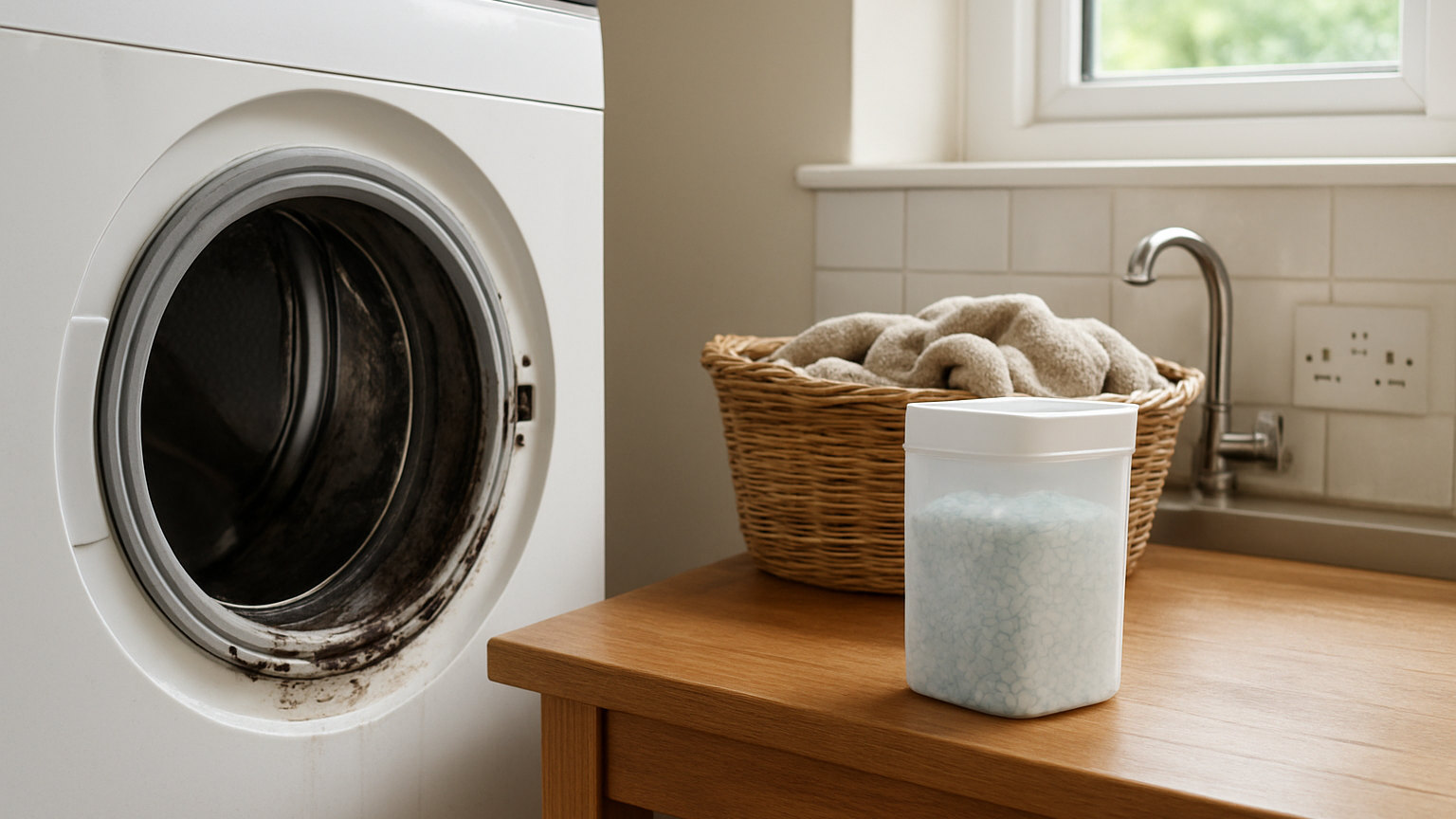
- Check the drum and the seal before starting a load of whites.
- Use a colour catcher sheet whenever a load is not fully sorted.
When is a garment beyond saving?
When it has been dried, treated with a remover twice and still shows the transfer. At that point the dye is bonded into the fibre and further attempts will damage the fabric more than they help.
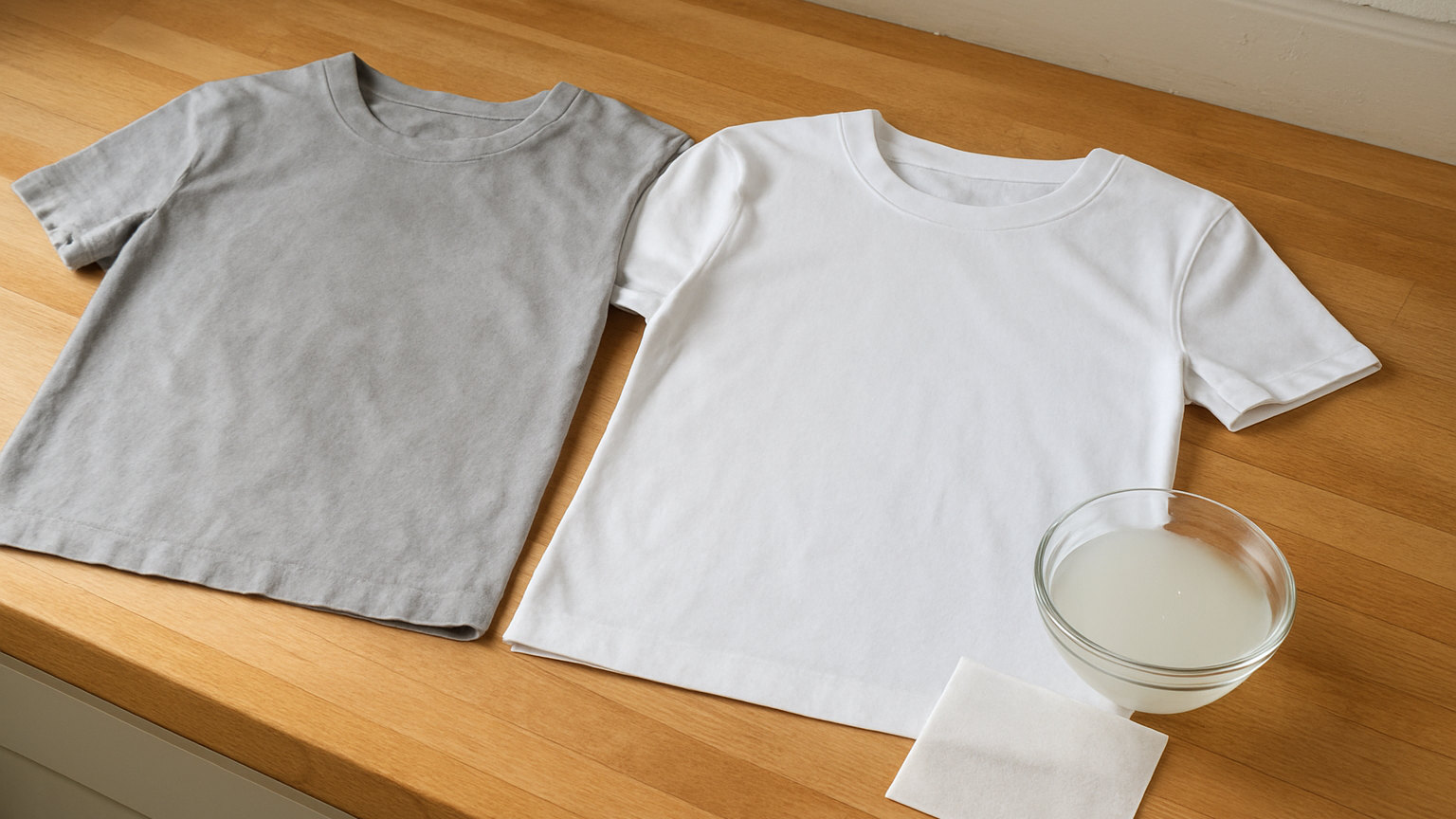
A white cotton item that has gone uniformly pink is sometimes better dyed a solid colour deliberately than repeatedly treated. It is not the outcome anyone wanted, and it is a more reliable result than a third attempt with a remover.
What about the machine itself?
Run an empty hot cycle after a significant colour run, since loose dye remains in the drum, the seal and the pipework and can transfer into the next load. This is particularly worth doing before washing anything white. Wipe under the lip of the door seal by hand as well, where water and dye collect out of sight.