A bathroom is the room where order makes the biggest difference to how long the job takes, because so much of the work is done by products sitting on surfaces rather than by scrubbing. Applied first and left alone for ten minutes, limescale remover and toilet cleaner do most of the work themselves. Applied and wiped immediately, they do almost none of it.
Why does dwell time matter more here than anywhere else?
Because the two main bathroom soils are chemical rather than loose dirt. Limescale is a mineral deposit that has to be dissolved by acid, and soap scum is a reaction between soap and hard water minerals that has to be broken down. Both need contact time measured in minutes. No amount of extra pressure with a cloth substitutes for leaving the product where it is.
What is the actual sequence?
- Clear and ventilate. Remove everything from the surfaces and the bath edge, take the bin and bath mat out of the room, and open the window.
- Apply the slow products. Toilet cleaner under the rim, limescale remover or bathroom spray on the shower screen, tiles, bath and taps. Then leave the room and do something else for ten minutes.
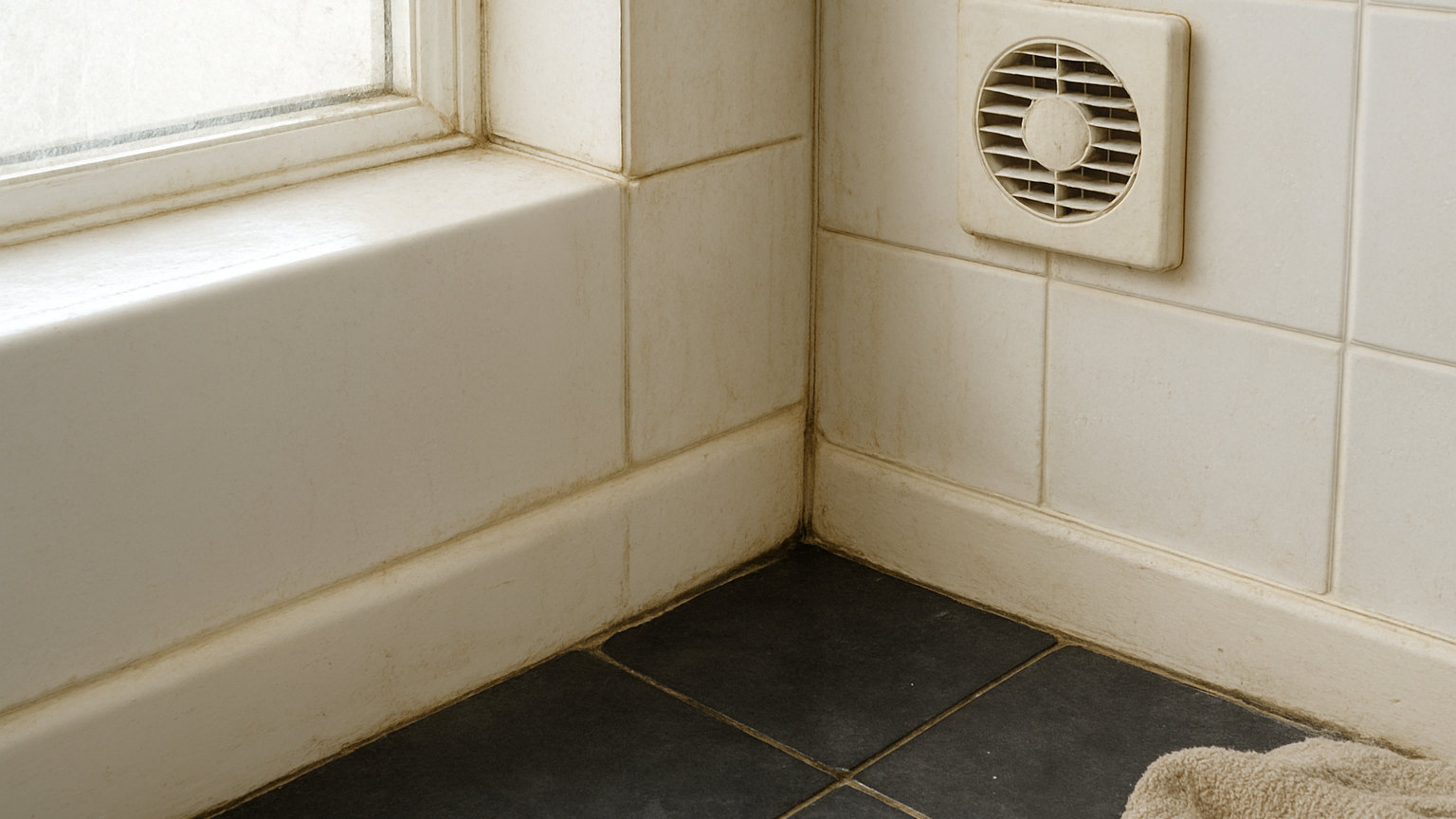
- Dust and cobweb at high level, dry, while the products work. Light fittings, the extractor cover, the tops of cabinets and the curtain rail.
- Mirrors and glass, before any water is splashed around.
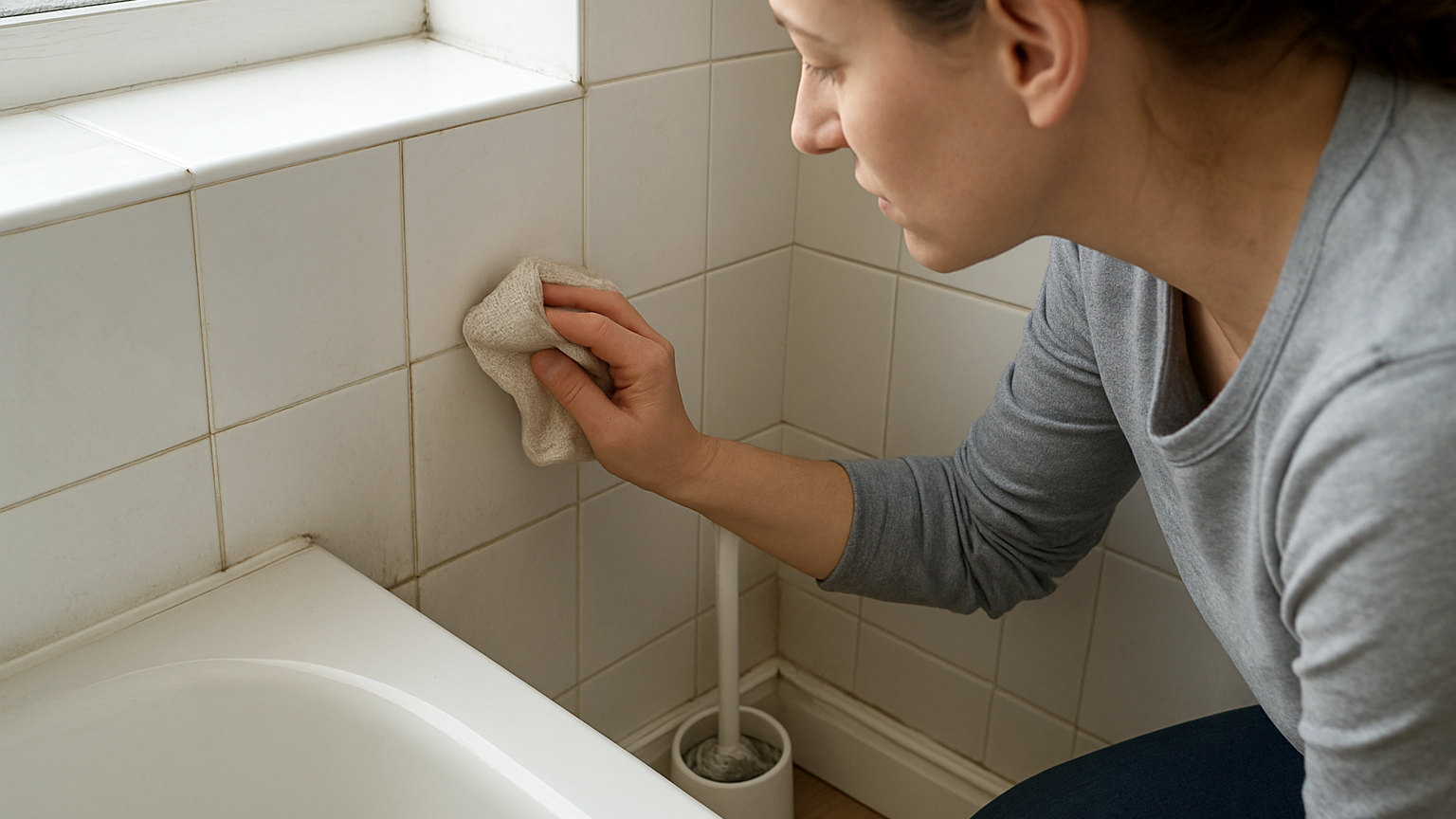
- The shower and bath. Come back to the product you applied, work it over with a cloth or a soft brush, and rinse thoroughly.
- The basin, taps and surrounding surface.
- The toilet, and only now. Brush the pan, then clean the cistern, handle, lid, seat, hinges and the outside of the pan down to the floor.
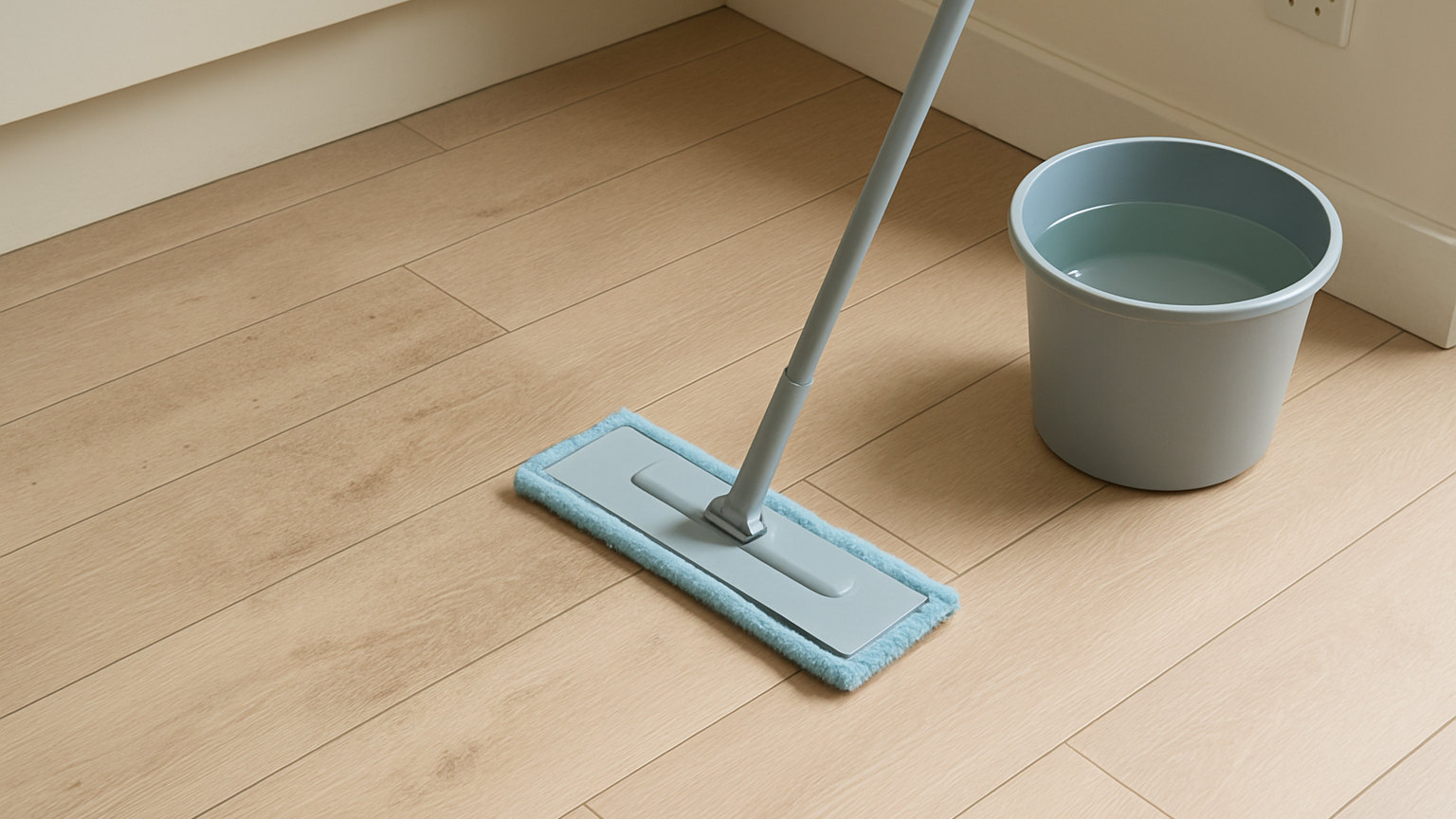
- The floor, vacuumed or swept and then mopped, working backwards out of the door.
Why is the toilet done near the end?
To avoid moving bacteria from the dirtiest fixture onto everything else. The toilet gets its own cloth and its own brush, and once that cloth has touched the pan it does not touch anything else in the room. Doing the toilet first means either changing gloves and cloths mid job or contaminating the basin you are about to clean.
The cistern and the flush button are the exception in reverse: they are touched by clean hands and dirty hands alike, so they deserve disinfecting rather than a quick wipe.
Why does the floor go last?
Because everything else drips. Rinsing the shower, wiping the basin and cleaning around the toilet all send water and residue downwards, and a floor mopped early gets covered in it. Vacuum or sweep before mopping too, since bathroom floors are mostly hair and dust, and a wet mop turns hair into a smeared mess that has to be picked up by hand.
What should be soaking while you work?
The shower head if it is scaled, in a bag of descaler tied around the fitting. The toothbrush holder and any soap dish, in the basin with hot soapy water. The bath mat, in the washing machine. Getting all three going at the start means none of them add time at the end.
Does the same order work for a quick clean?
Yes, shortened. Toilet cleaner under the rim, spray the basin and screen, dust nothing, then come back for the basin, the toilet and a quick pass over the shower screen with a squeegee. Fifteen minutes covers what a visitor sees and what genuinely matters for hygiene. The parts that get dropped – high level dust, tiles, the floor, the fan – are all things that can wait a week without getting meaningfully worse.
What is the most common ordering mistake?
Cleaning the mirror last. By that point the room is humid from all the hot water used, and the glass will not dry without streaking. Do the mirror early, while the air in the room is still dry, and it takes thirty seconds instead of three attempts.