A hallway carries more foot traffic than any other part of a house, takes everything that comes in from outside, and is usually cleaned on the same schedule as a spare bedroom. That mismatch is why hallways look tired long before the rooms they lead to, and why the carpet in the first two metres inside the front door wears out years ahead of the rest.
What needs doing every few days?
Vacuuming or sweeping the area immediately inside the front door, which is where the majority of grit, leaves and outdoor soil is deposited. Shaking or vacuuming the doormat, which stops working once it is full. Clearing shoes, bags and post from the floor.
Two or three times a week is realistic for the entrance area in a busy household, and it is a two minute job rather than a proper clean.
What does the weekly clean cover?
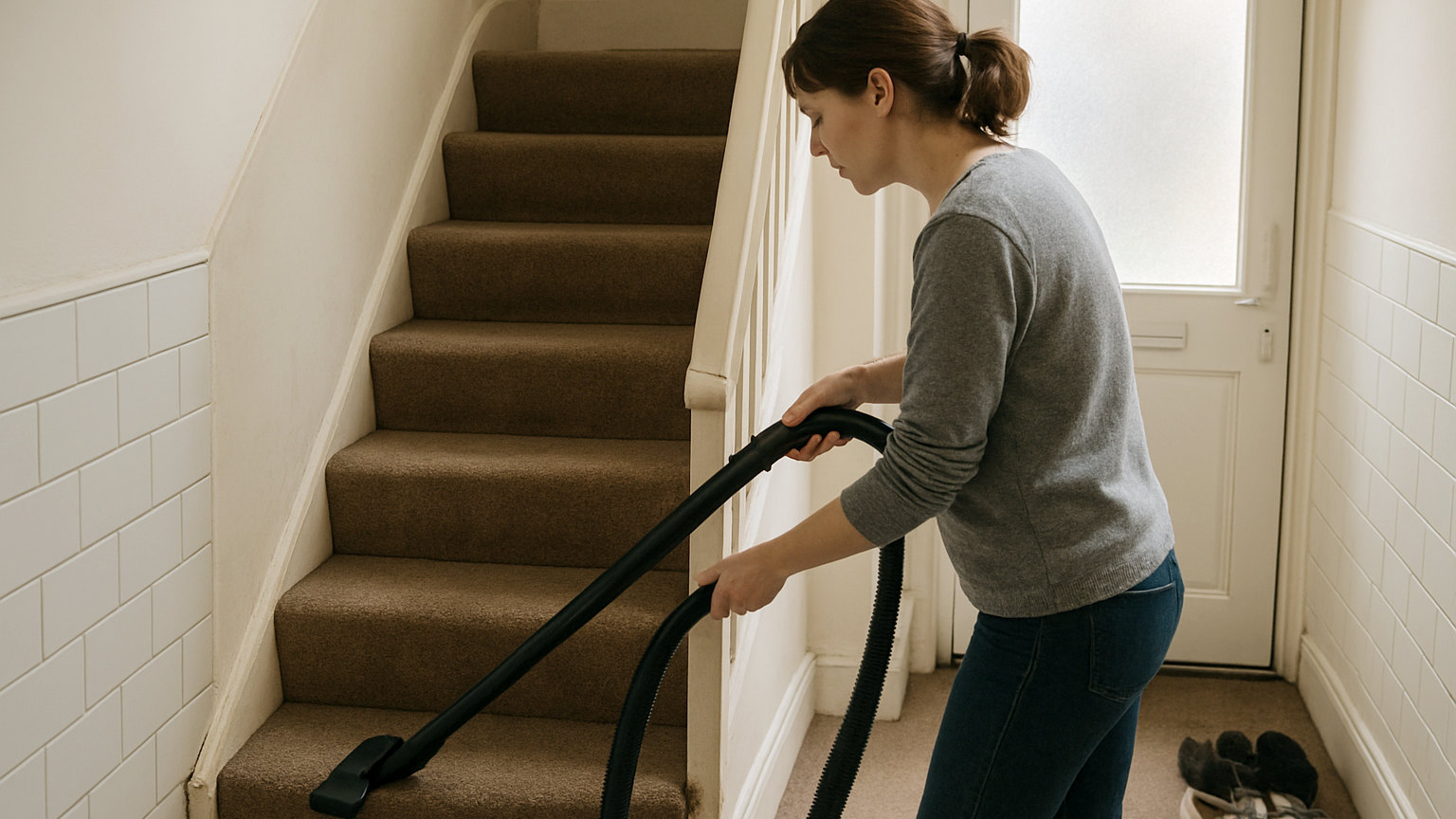
- Vacuuming the whole hall and every stair, including the edges and the corners of each tread.
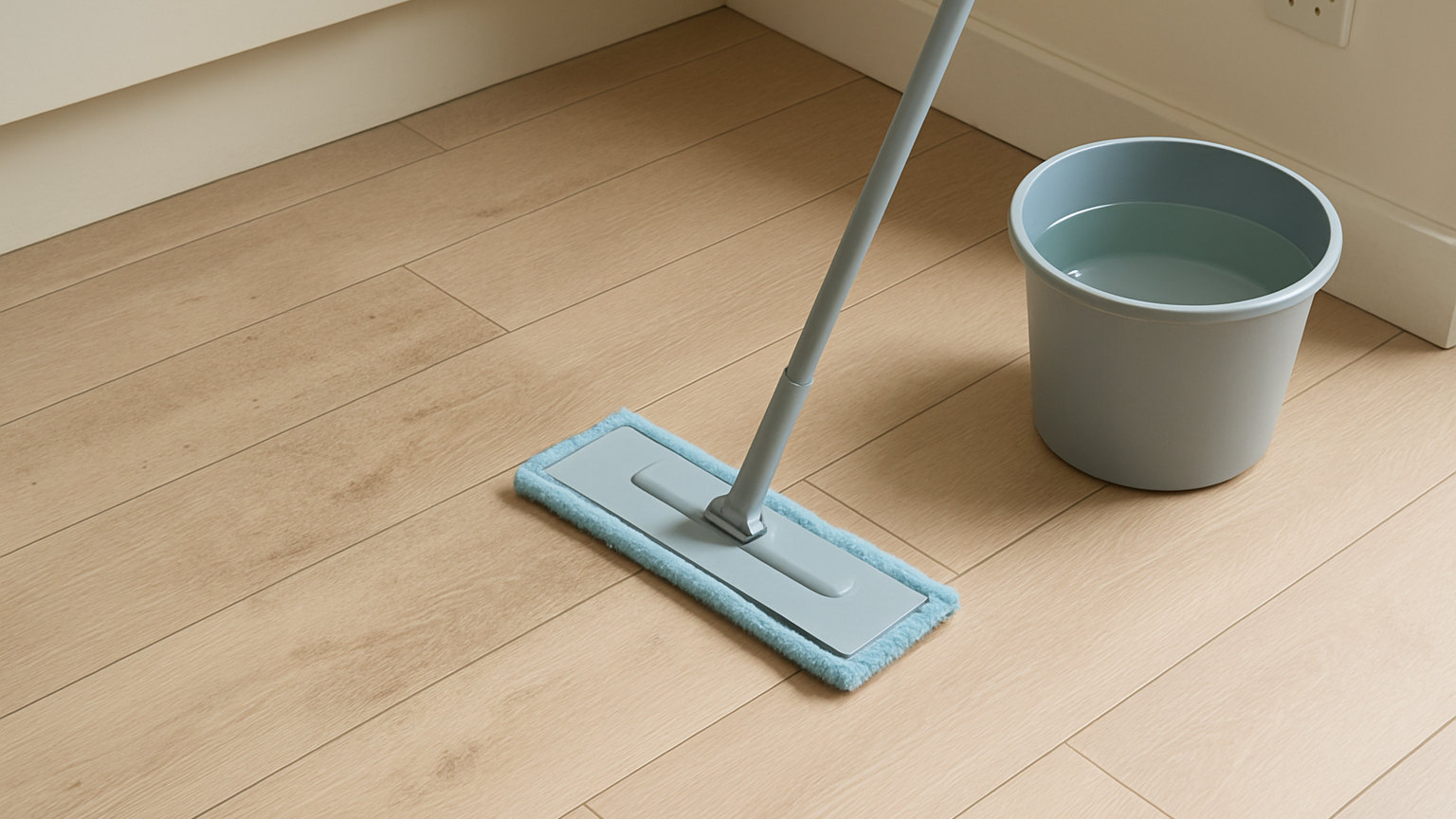
- Mopping a hard floor, with attention to the doorway area.
- Wiping the banister and handrail, which are touched constantly.
- Cleaning the front door handle, letterbox and light switches.
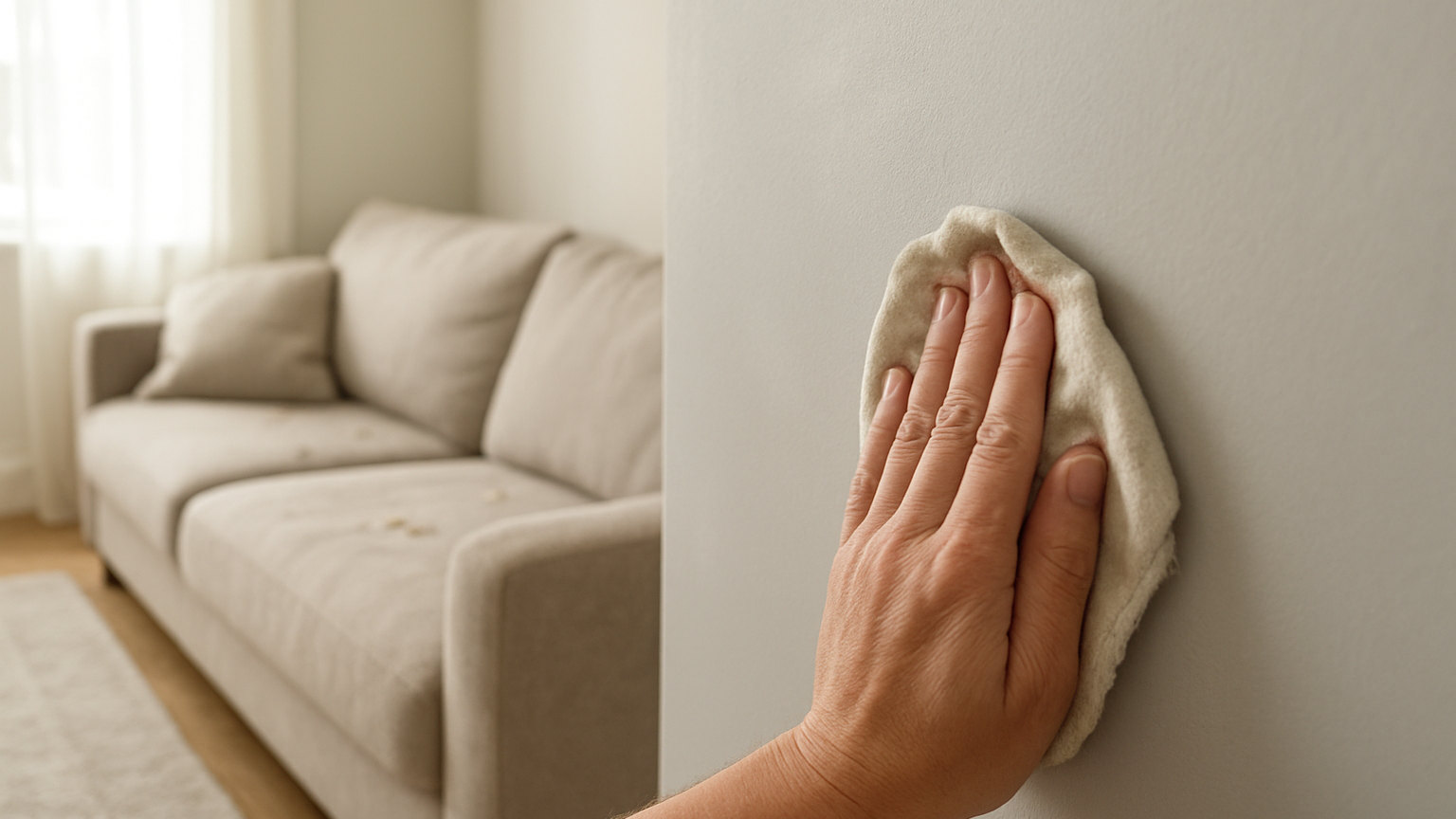
- Wiping fingermarks from the walls at hand and bag height.
- Dusting the console table, shelf or radiator cover and whatever has collected on it.
Twenty minutes covers all of it in an average hallway, and the stairs are the part that takes longest.
Which jobs are monthly?
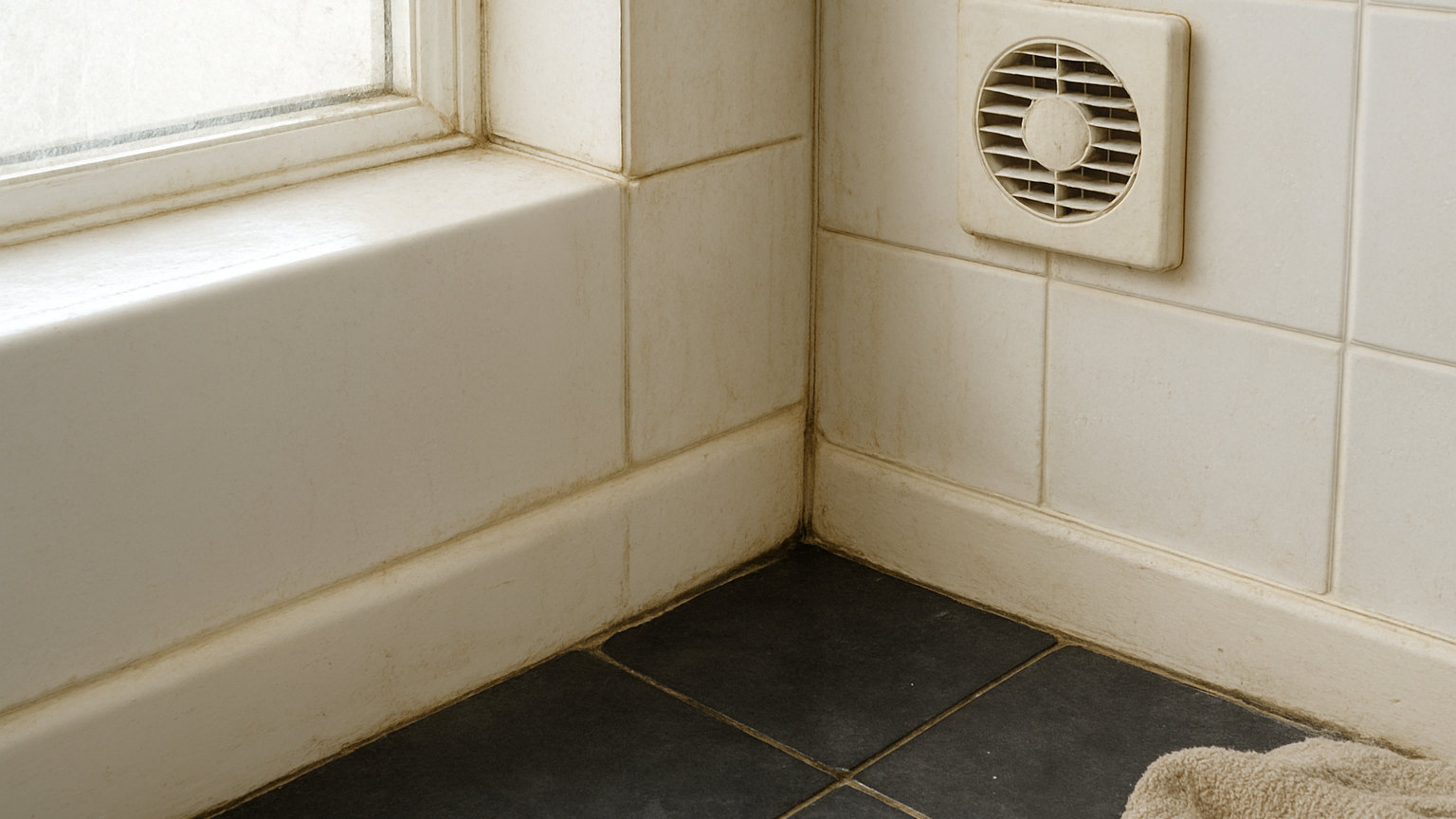
Skirting boards, which in a hallway collect a dark line of scuffs and dust faster than anywhere else. Radiators, including behind and between the fins. The tops of door frames and the picture rail. The front door itself, inside and out. Stair spindles and the underside of the handrail. The inside of the coat cupboard and the floor beneath the hanging coats.
Washing the doormat belongs here too, and most never are.
What only needs doing once or twice a year?
Deep cleaning or shampooing the hall and stair carpet, cleaning the porch or storm porch properly, washing the paintwork on the stairs and stringers, cleaning the window above the door or on the landing, and clearing out the understairs cupboard.
The carpet is the one worth booking. A hall carpet cleaned annually lasts considerably longer, because the grit ground into it is what destroys the pile.
Why does the entrance area wear out first?
Because everybody walks over the same square metre. Outdoor grit acts like sandpaper under shoes, cutting the fibres with every step, and the damage is mechanical rather than cosmetic. Once the pile is cut it cannot be restored by cleaning.
This is the argument for barrier matting and for vacuuming the entrance more often than anywhere else. Removing grit before it gets walked in is worth more than any amount of later cleaning.
Does the hallway need different treatment in winter?
Considerably. Wet shoes, mud, road salt and leaves all arrive in far greater quantities between October and March. A hall that needs a quick vacuum twice a week in summer may need it daily in winter, and the doormat needs drying out rather than just shaking.
A boot tray by the door and somewhere to hang wet coats make more difference than any change to the cleaning routine.
What happens if the hallway is neglected?
It spreads. A hallway is the only room every other room connects to, so grit and soil that stay there get carried onto every floor in the house. Keeping the entrance clean reduces the cleaning burden everywhere else, which makes it the highest return room in the house for the time spent.
It is also the room visitors see first and the one people form an impression from, which is not the main reason to clean it but is not nothing either. A hallway that is kept on top of makes the whole house feel looked after, and it takes less time each week than a single bedroom.