A living room is the room with the widest gap between how often it is tidied and how often it is actually cleaned. Surfaces get wiped, cushions get straightened and the floor gets vacuumed, while the sofa, the curtains, the lampshades and the space behind the television go untouched for years. Getting the balance right means a short daily reset, a weekly clean of about half an hour, and a monthly list that takes the same again.
What needs doing every day?
A five minute reset in the evening. Mugs and glasses out, cushions put back, throws refolded, remote controls and chargers returned to a defined spot, and anything that belongs in another room taken there. Crumbs brushed off the sofa if there has been eating in front of the television.
This is tidying rather than cleaning, and it is what stops the weekly clean turning into an excavation.
What does the weekly clean cover?
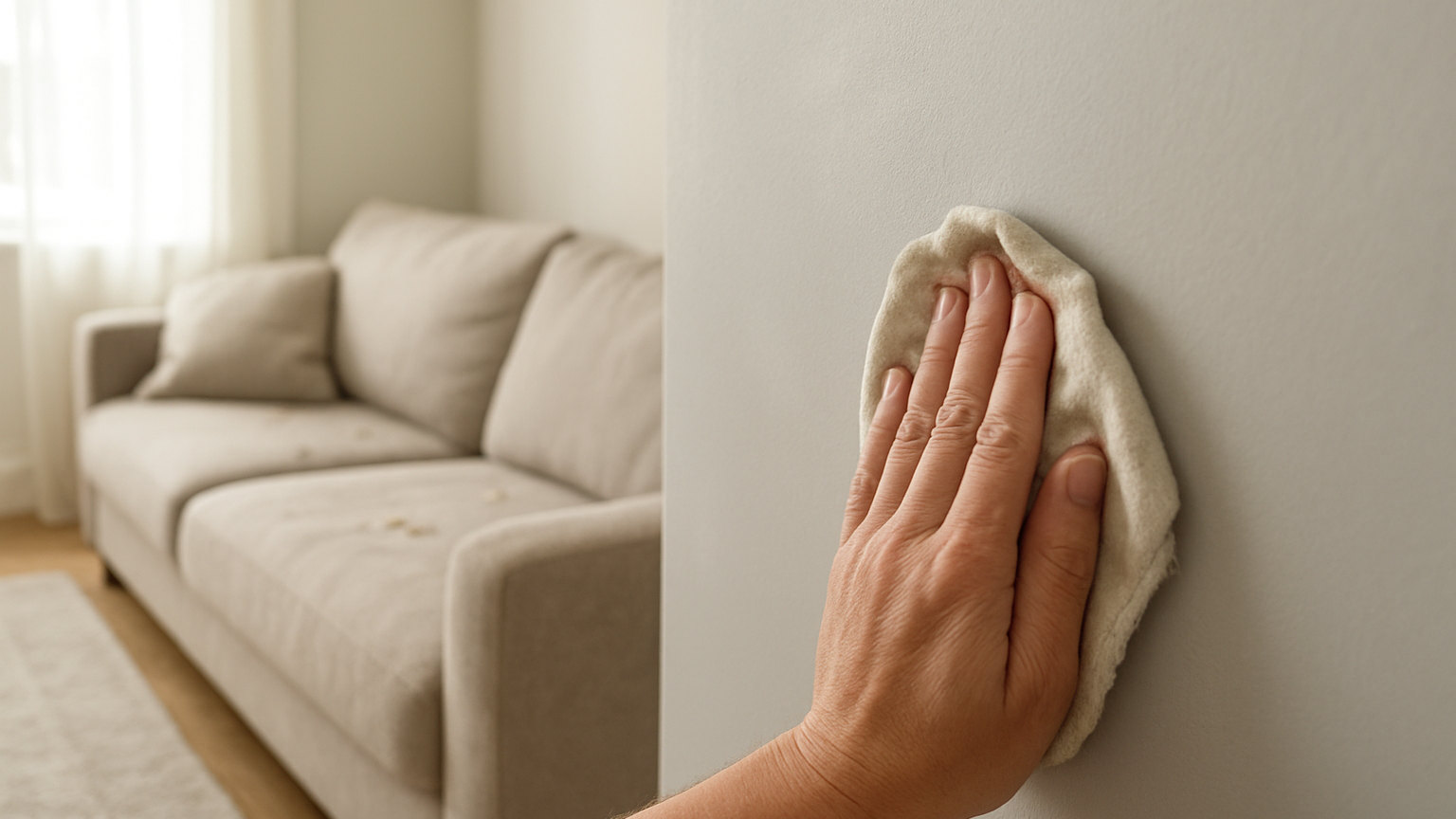
- Dusting all surfaces, working from high to low, with a cloth that traps dust rather than moving it around.
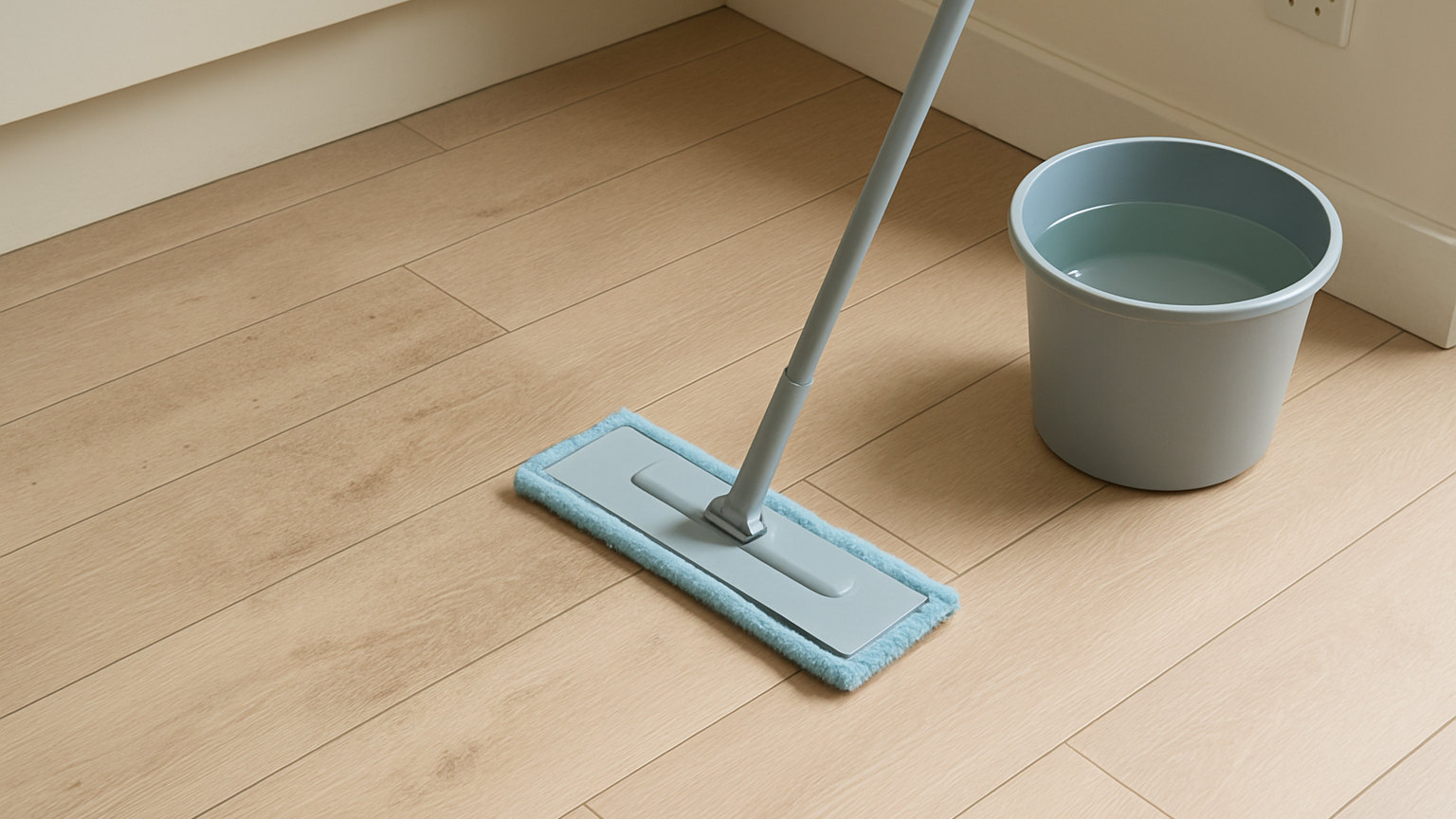
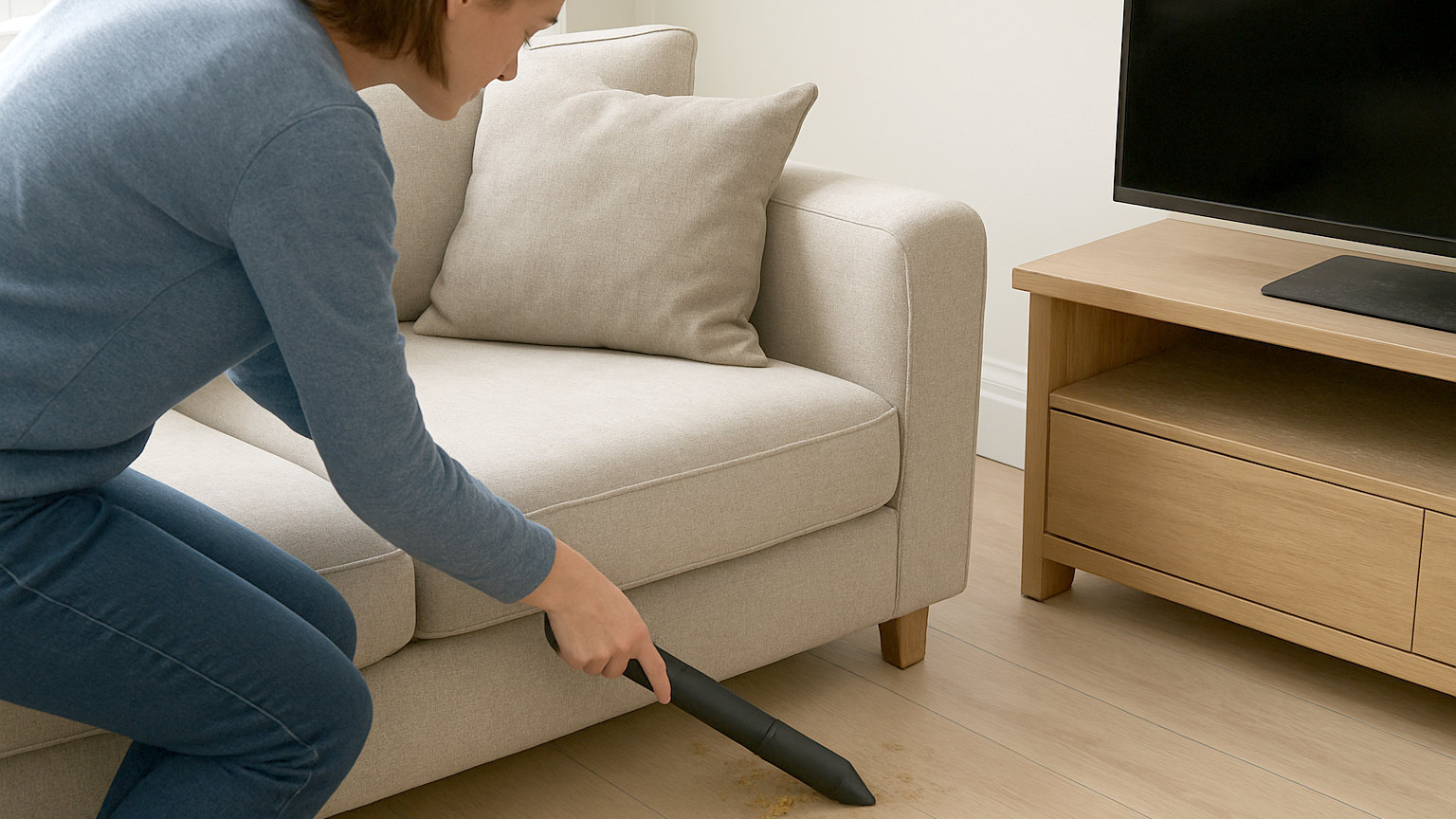
- Vacuuming the floor, including under the sofa and along the skirting rather than just the open middle.
- Vacuuming the sofa, seat cushions lifted, with an upholstery tool along the seams and down the sides.
- Wiping the coffee table, side tables and any glass, and dealing with rings and marks while they are fresh.
- Cleaning the television screen with a dry microfibre cloth.
- Wiping light switches, door handles and remote controls, which are handled constantly and cleaned rarely.
- Straightening and shaking out cushions and throws.
Which jobs come round monthly?
Dusting the tops of picture frames, doors, curtain poles and tall furniture. Vacuuming curtains and dusting blinds. Cleaning lampshades. Vacuuming behind and underneath the sofa and the television unit. Wiping skirting boards. Dusting radiators, including between the fins. Washing cushion covers and throws.
This is the group that makes the difference between a room that looks tidy and one that is genuinely clean, and it is almost universally skipped.
What only needs doing once or twice a year?
Washing or professionally cleaning curtains. Deep cleaning the carpet or having a rug cleaned. Moving all the furniture and cleaning the floor underneath properly. Cleaning inside the fireplace or wood burner if you have one. Washing windows inside and out. Sorting the shelves and clearing out the media and cable drawer.
Why does the sofa need more attention than the surfaces?
Because it absorbs. A sofa collects skin cells, hair, crumbs, spilled drinks, pet dander and the fibres it sheds itself, and all of it works down into the cushions and the frame. Surfaces only hold what settles on top, and a wipe removes all of it. A sofa holds a reservoir that a wipe does nothing about.
Vacuuming it weekly, with the cushions lifted, takes three minutes and removes most of what would otherwise accumulate for years.
Does the frequency change with pets or children?
Considerably. Pets mean vacuuming two or three times a week rather than once, washing throws more often, and dealing with hair on upholstery as a routine job rather than an occasional one. Children mean more crumbs, more spills and a much stronger case for washable covers and for dealing with marks immediately rather than at the weekend.
Open fires and wood burners add their own frequency, since fine ash settles on everything in the room and needs vacuuming rather than dusting.
What happens if the monthly jobs are skipped?
Nothing dramatic, which is the problem. A living room can look perfectly presentable while the curtains have not been cleaned in a decade and the sofa has never been vacuumed underneath. The consequences show up slowly as a room that feels stuffy, dust that returns within a day of cleaning, and a musty smell nobody can locate.
Putting the monthly list on an actual date, rather than intending to get to it, is the only approach that reliably works.