Refrigeration slows mould growth rather than stopping it. Several common moulds grow perfectly well at fridge temperatures, just more slowly, which is why a forgotten container at the back develops a full colony over a few weeks. Preventing it is about moisture, airflow and turnover rather than temperature.
Where does it usually start?
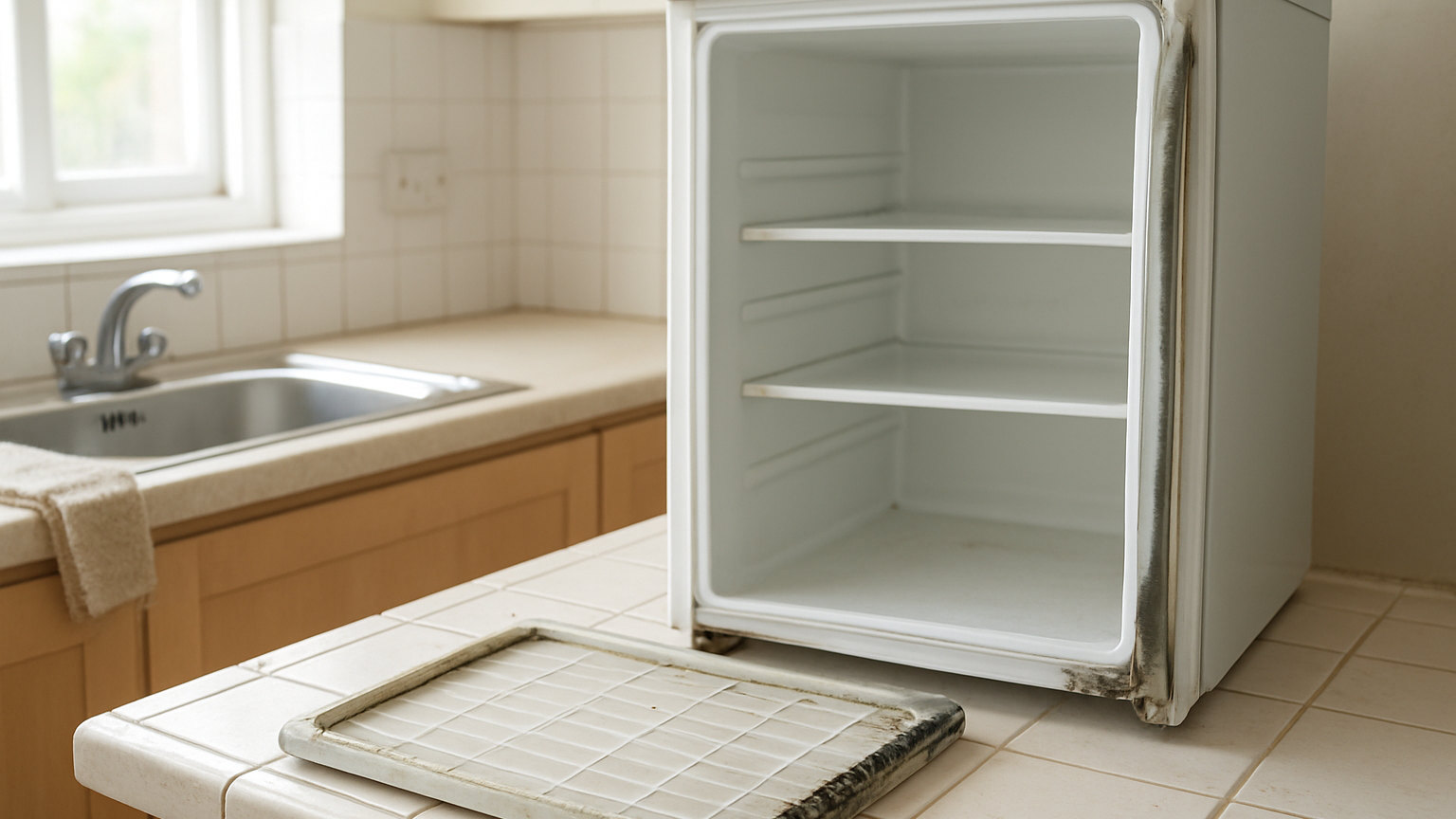
- The door seal, in the folds, where moisture and crumbs collect.
- Under and behind the salad drawers, where leaked liquid sits.
- The drain channel at the back of the base if it has blocked.
- Forgotten leftovers at the back of a shelf.
- Soft fruit and vegetables in the drawers, which then spread to their neighbours.
- The rim of jars and sauce bottles.
What prevents it?
- Wipe spills as they happen rather than at the weekend.
- Keep food in sealed containers rather than covered with film, which lets moisture escape and circulate.
- Do not overfill, so air can move around the shelves.
- Clean the door seal folds monthly.
- Keep the drain hole clear.
- Rotate stock so older items get used rather than pushed to the back.
- Dry salad leaves and vegetables before they go in, since surface water accelerates spoilage.
What should you do when something has gone mouldy?
Remove it carefully rather than opening it and inspecting it in the fridge, which releases spores over everything else. Take the container out, put it straight into a bag, and deal with it away from the fridge.
Then clean the shelf it was on and anything adjacent, since spores will have settled. Warm soapy water followed by a bicarbonate solution, dried thoroughly.
Check the items around it, particularly soft fruit and bread, which will have been seeded.
Can mouldy food be salvaged?
Food safety guidance is that visibly mouldy soft foods should be discarded rather than having the mouldy part cut away, because the growth extends further into the food than it appears. That covers soft fruit, bread, yoghurt, jam, soft cheese, cooked dishes and anything liquid.
Hard cheeses and firm vegetables such as carrots are generally treated as exceptions, where cutting well away from the affected area is considered acceptable.
Where there is any doubt, throwing it away is the sensible course.
Why does fruit go mouldy so fast?
Because one affected item spreads to everything touching it. Berries in particular go from fine to furry within a day once one has started.
Check punnets when you get them home and remove anything soft. Do not wash berries until you are going to eat them, since surface moisture accelerates spoilage. Store them in a ventilated container rather than a sealed plastic box.
What about the salad drawers?
Line them with a paper towel or a reusable liner, which absorbs the moisture that vegetables release and can be changed weekly. Wash the drawers properly rather than wiping, and dry them completely.
Remove any packaging that traps moisture, and check the humidity slider if the drawer has one, since the wrong setting makes vegetables sweat.
Does cold storage kill mould?
No. Freezing halts growth without killing the organism, so a mouldy item that is frozen and later thawed will resume where it left off. Cooking kills mould and does not remove the compounds some species produce, which is the reason for discarding mouldy food rather than heating it.
What if mould keeps returning?
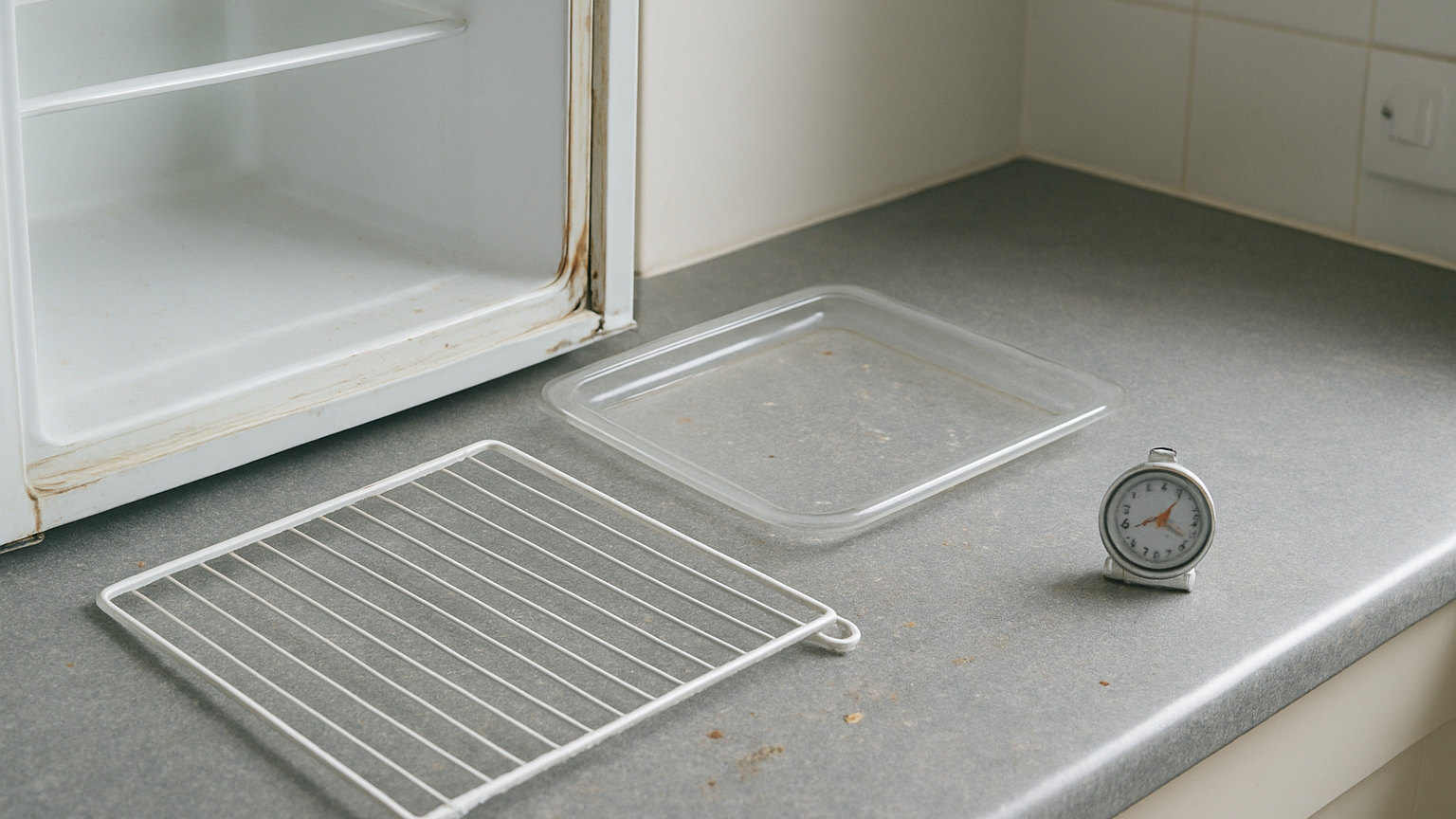
Look for standing water. A blocked drain hole, a failing door seal producing excess condensation, or a fridge running too warm are the three causes worth checking. A fridge should be at 5 degrees or below, and a thermometer is the only way to be sure.
Does an air purifying gadget help?
The small fridge deodorisers and ozone devices sold for this reduce odour and do nothing about the moisture or the food that caused it. They are a finishing touch rather than a solution, and an open tub of bicarbonate of soda achieves much the same for a fraction of the cost.