Glazed ceramic and porcelain are the most forgiving tiles there are. The glaze is a fired glass surface, non-porous and chemically resistant, and it tolerates acids, alkalis and almost every household cleaner. The complications come from the two types that are not glazed.
What is the routine for glazed tiles?
- Sweep or dust first.
- Wash with warm water and a mild detergent or a general tile cleaner.
- Rinse with clean water to remove detergent film.
- Dry and buff with a microfibre cloth.
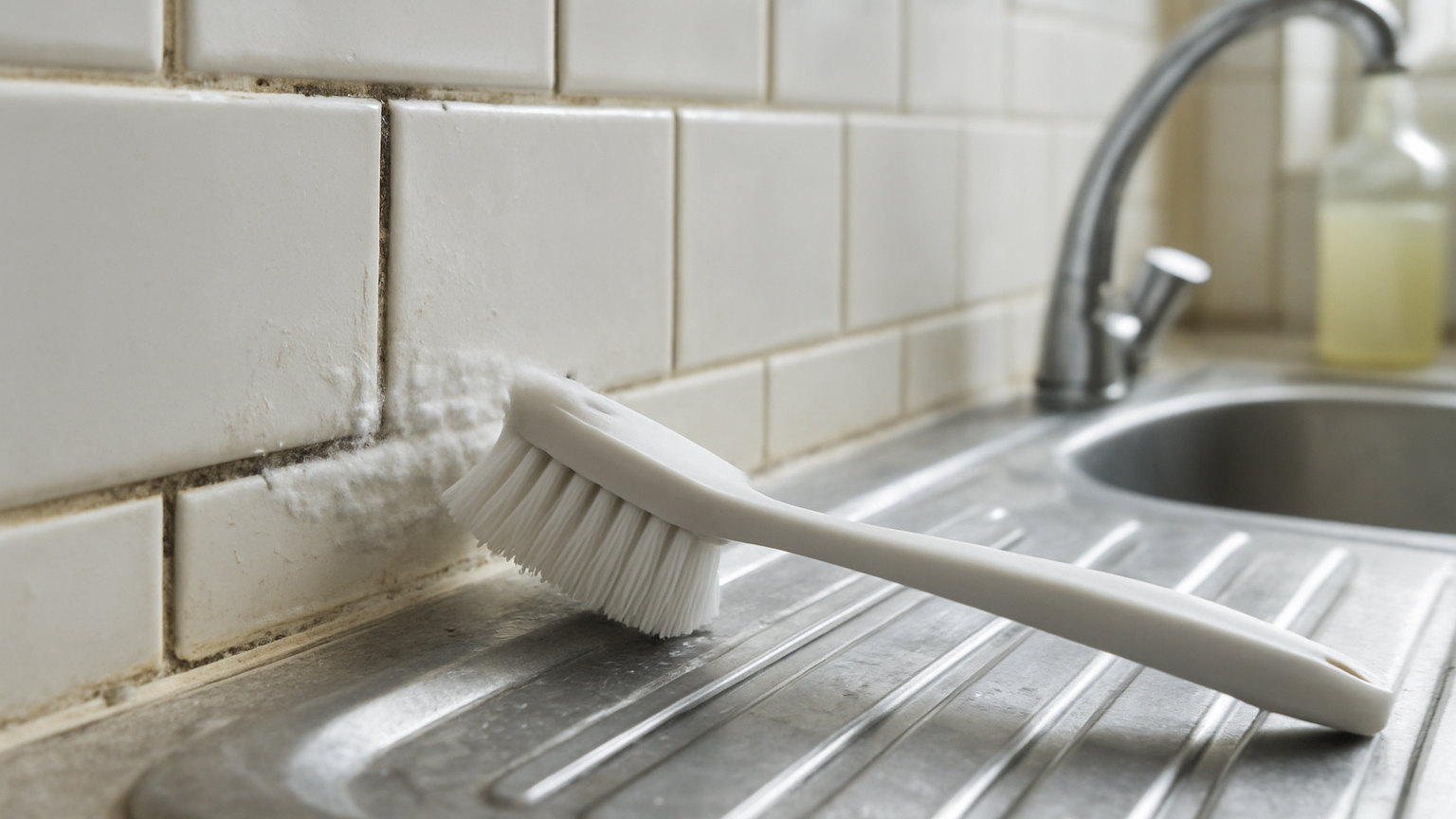
- Treat the grout separately.
Rinsing is the step that matters. Most complaints about cloudy or dull tiles are detergent residue rather than dirt.
What is the difference between porcelain and ceramic?
Porcelain is fired at a higher temperature from a denser clay, which makes it harder, less porous and more durable. Ceramic is softer and more porous in the body, though the glaze on both performs the same way.
For cleaning purposes, glazed is glazed and they behave alike.
What about unglazed porcelain?
Through body porcelain with no glaze is porous at the surface, and it stains. It needs a pH neutral cleaner, prompt attention to spills and periodic sealing, much like natural stone.
The water test applies: if water darkens the surface, it needs sealing.
What about polished porcelain?
Polished porcelain is ground and polished after firing, which opens microscopic pores in the surface. It looks glossy and it absorbs more than a glazed tile, so it marks with oil, grout haze and cleaning residue.
It usually needs sealing, and it should be cleaned with a neutral product and buffed dry. Anything abrasive dulls the polish permanently.
What causes the dull film?
Three things. Detergent residue from insufficient rinsing. Soap scum in a bathroom, which is a reaction between soap and hard water. And grout haze on newly tiled surfaces, which is a thin cement film left after grouting.
Detergent film needs rinsing with clean water. Soap scum needs an acidic bathroom cleaner, which is safe on glazed tiles. Grout haze needs a proprietary grout haze remover, which is mildly acidic.
Does vinegar work?
On glazed tiles, yes, and it is effective on limescale and soap scum. Dilute it, apply it, leave it a few minutes and rinse thoroughly.
It should not be used routinely on the grout between them, since acid erodes cement grout over time. Applying it to the tile faces rather than flooding the whole wall limits the contact.
What should be avoided?
Abrasive powders and pads, which scratch glaze over time and dull polished porcelain immediately. Wire wool. Oil based soaps, which leave a residue that attracts dirt. And mixing bleach with any acidic cleaner.
How do you deal with scuff marks?
Black scuffs from shoes and furniture are rubber transfer sitting on the glaze rather than damage. A melamine sponge removes them easily, as does a cloth with a little cream cleaner, worked gently.
Test a melamine sponge on polished porcelain first, since it is abrasive.
What about floor tiles specifically?
Change the mop water frequently, since dirty water dries onto tiles as a film and pushes soil into the grout. Use as little water as possible, and dry the floor with a microfibre mop afterwards for a clear finish.
Grit is the main enemy on a floor, so sweeping or vacuuming before mopping does more for the appearance than the mopping itself.
What about large format tiles?
Large tiles have fewer grout lines, which is their main advantage for cleaning, and they show every streak and smear because there is nothing to break up the surface. Rinse thoroughly and buff dry with a microfibre cloth, since on a large matt tile any residue is immediately obvious.
What about textured ceramic?
Some ceramic tiles have a lightly textured or riven glaze, which holds residue in the same way an anti slip tile does. Those need a brush rather than a cloth, and more rinsing than a smooth glaze, or the texture gradually fills with detergent film and dulls.