Sorting by colour is the rule everyone knows, and it is only part of the job. Fabric weight, soil level and item type matter just as much, because a load only washes well when everything in it can take the same cycle and nothing in it damages anything else.
What are the four sorting criteria?
- Colour – whites, lights, darks and brights, to prevent dye transfer and keep whites white.
- Fabric type – cottons, synthetics and delicates, because each needs a different cycle and spin.
- Weight and texture – heavy towels and jeans should not share a drum with lightweight shirts and underwear.
- Soil level – muddy sports kit and lightly worn office clothes need different temperatures and different detergent doses.
In a small household, the practical approach is to sort by colour first and then split by fabric only where something genuinely needs it.
Why does weight matter?
Because heavy wet items batter lighter ones. Jeans and towels tumbling against a fine cotton shirt will abrade it, snag it and crease it badly. The zips and studs on denim are a particular problem, and a single pair of jeans can pull threads across an entire load of knitwear.
Weight also affects drying. A load of towels and shirts leaves the shirts over-spun and creased while the towels are still heavy with water.
What about lint?
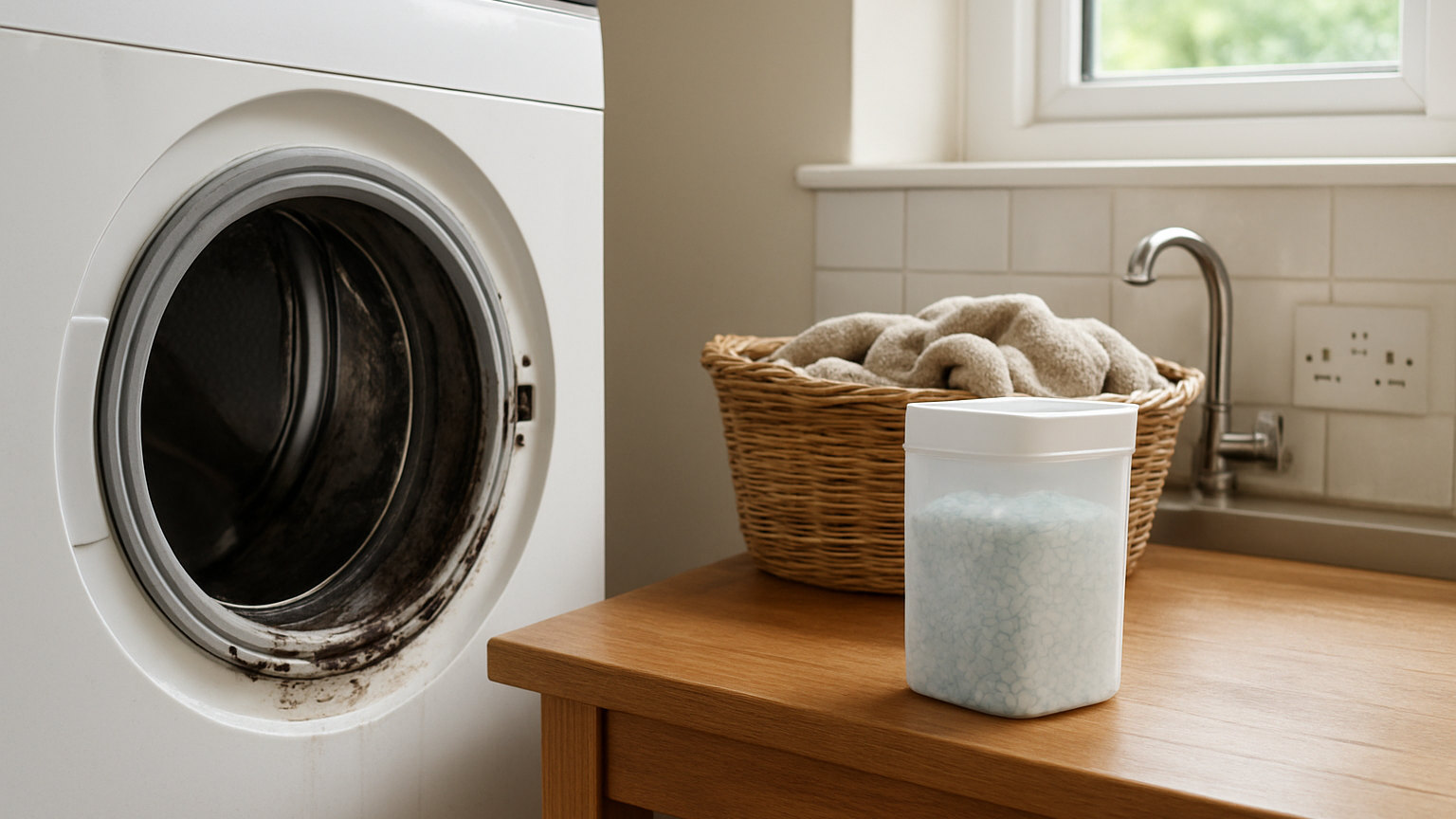
Towels, new fleece and anything fluffy shed heavily, and the lint transfers straight onto dark synthetics and corduroy, which attract it and hold onto it. That is why a black jumper washed with a load of towels comes out covered in fibres that a brush will not fully remove. Wash towels together as their own load and keep them away from dark clothing entirely.
Which items should be separated completely?
New brightly coloured items on their first two or three washes, particularly reds and deep indigos. Anything with a strong smell, such as fuel or paint. Cleaning cloths, tea towels and dishcloths, which are heavily contaminated and belong in a hot wash of their own. Items used during illness. Pet bedding, which should never share a drum with clothing.
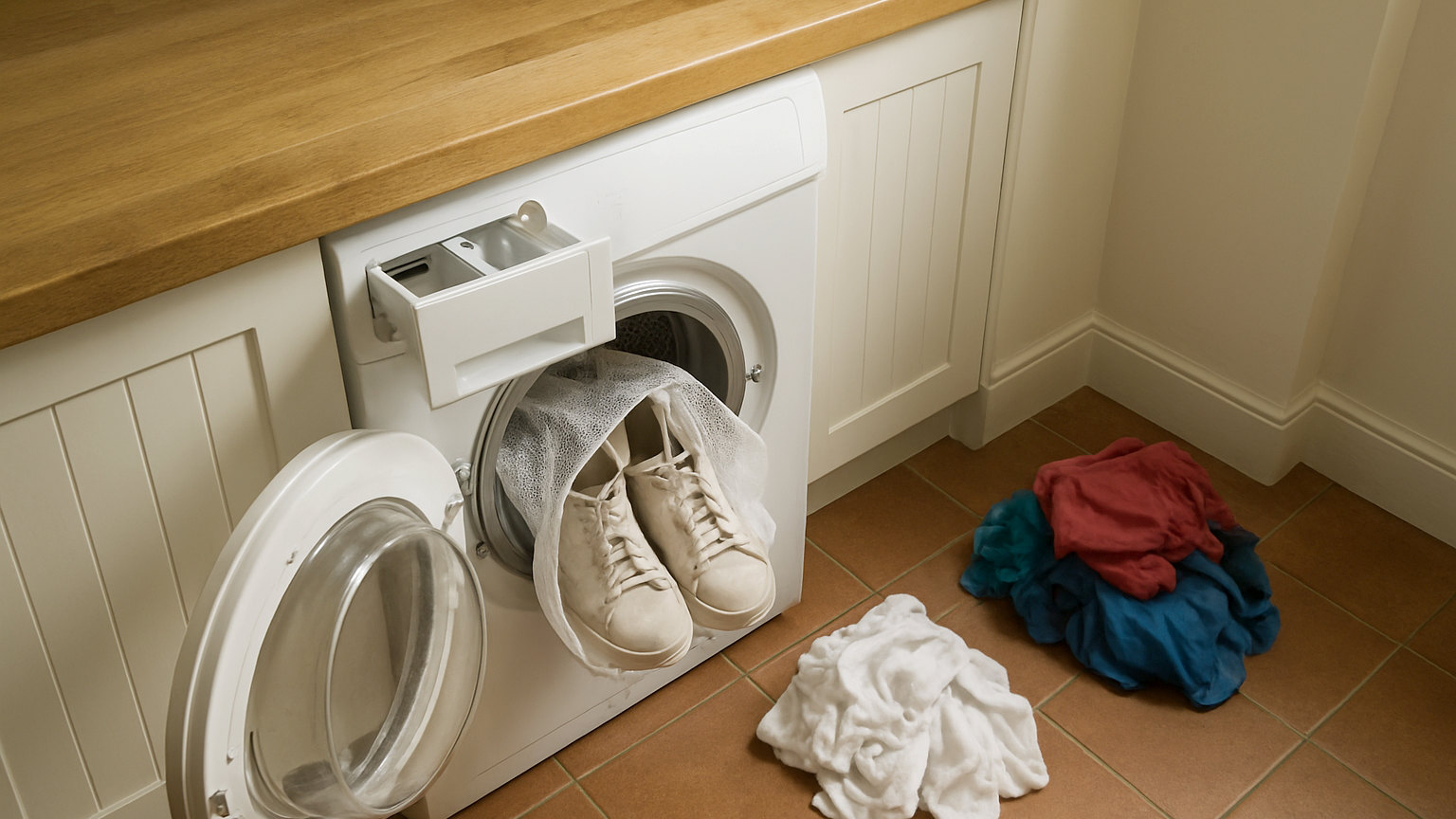
Anything with hooks, zips or velcro should be fastened and ideally bagged, since velcro in particular grips knitwear and pulls it apart.
How do you test whether a colour will run?
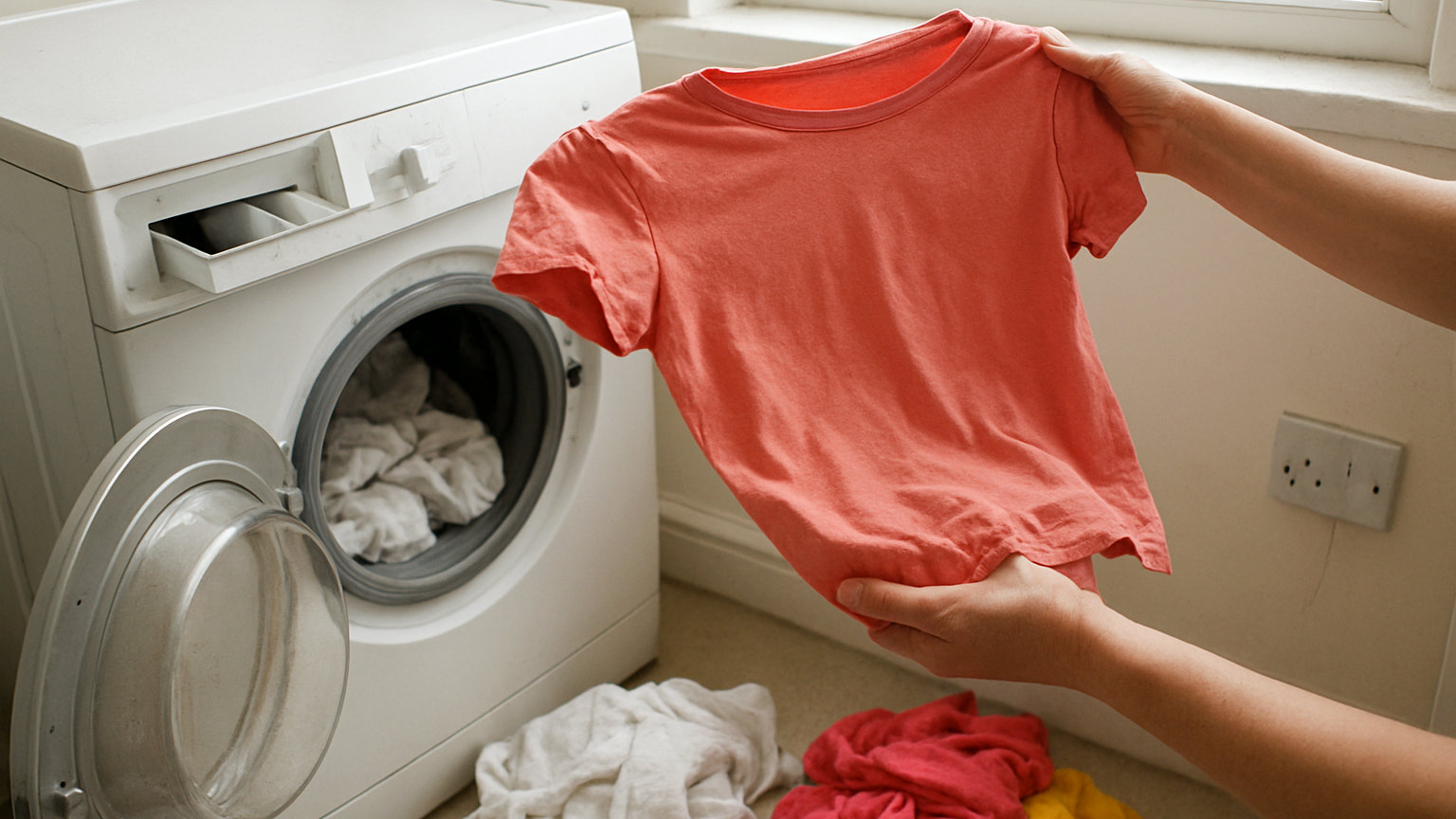
Dampen a hidden area of the garment with warm water and press a piece of white cotton against it firmly for a minute. If colour transfers, the item needs washing alone, cool, until it stops. Colour catcher sheets are a reasonable insurance for a mixed load and are genuinely effective, though not a substitute for sorting.
Does everything need turning inside out?
Darks, printed items and anything with surface detail, yes. The outer face is what fades and what abrades against the drum, so turning it inwards protects the side people see. It also helps the areas that are actually dirty, since collars, cuffs and underarms face outwards when the garment is reversed.
How do you sort with less effort?
With separate baskets rather than one big one, which shifts the sorting to the point where clothes are taken off rather than to the moment you want to put a wash on. Three baskets – darks, lights and towels or bedding – suits most households, with a small bag for delicates.
Mesh laundry bags are worth keeping for bras, tights, socks and anything small enough to escape into the seal or the filter. They also solve the problem of odd socks, since a bag comes out of the machine complete.
What should be checked before anything goes in?
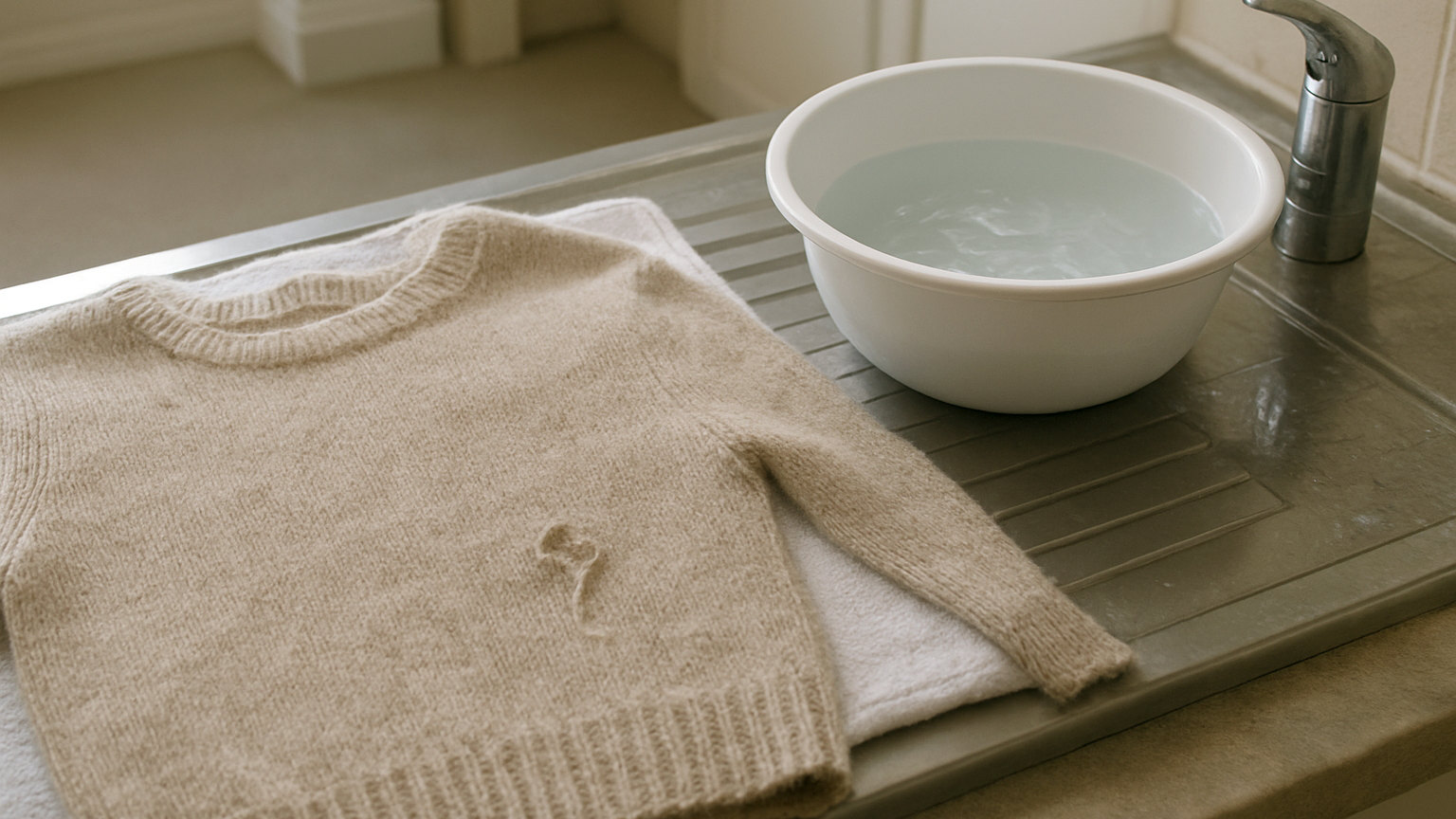
Pockets, every time and in every garment. A single tissue will cover an entire load in white fragments, and a biro or a lip balm will ruin everything in the drum. Zips closed, buttons undone, drawstrings tied, and anything with a loose seam or a hanging thread set aside for repair first, because a wash cycle will reliably turn a small tear into a large one.