Soaking is the most underrated step in laundry. For heavy soiling and set-in marks it achieves more than raising the temperature or increasing the detergent, because it gives water and detergent time to penetrate the fibres and loosen what is bound to them. A wash cycle gives a garment perhaps thirty minutes of contact; a soak can give it several hours.
What is the difference between a prewash and a soak?
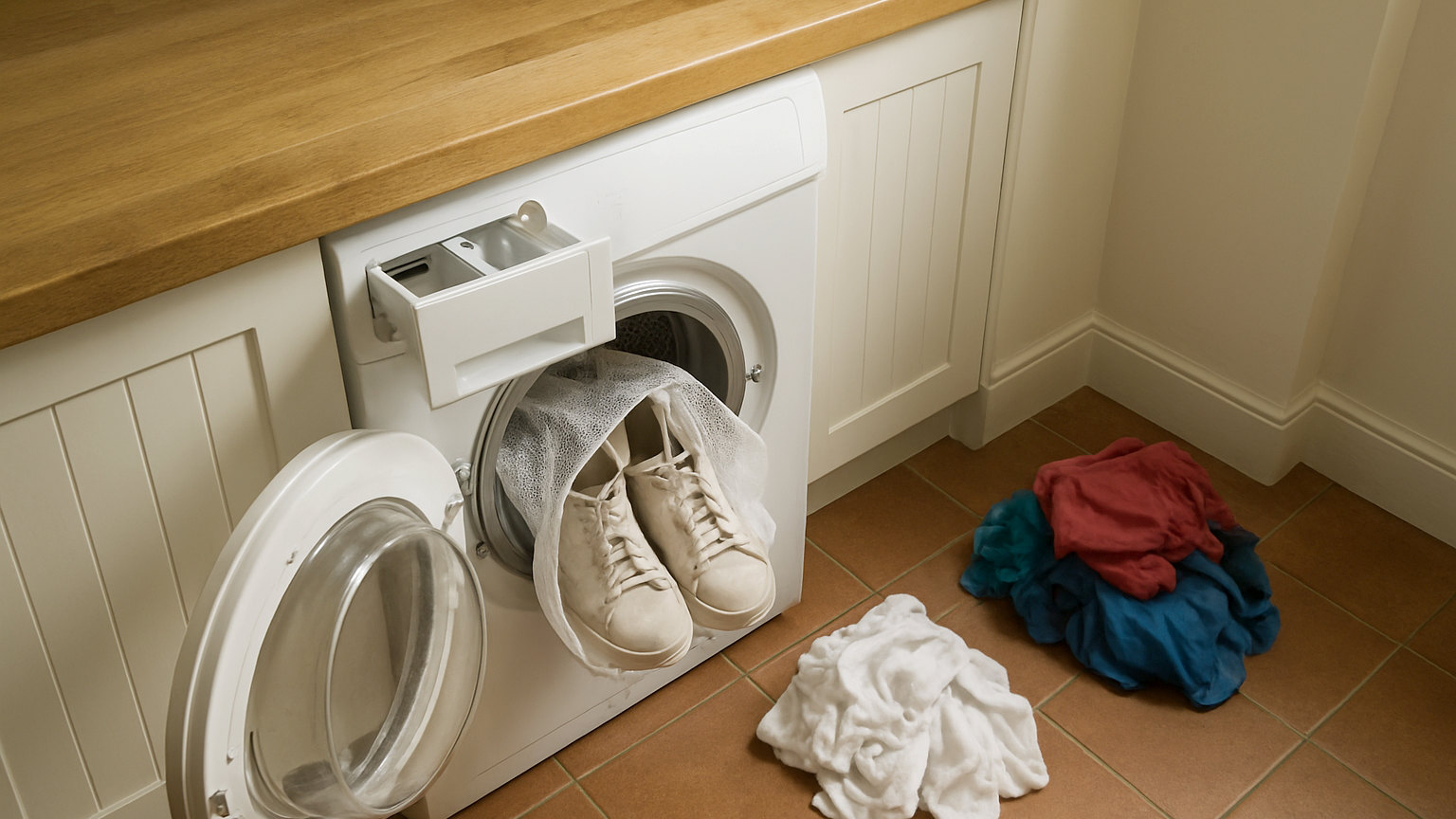
A prewash is a programme option on the machine. It runs a short wash with its own detergent, drains, and then proceeds to the main cycle. It is genuinely useful for heavy soiling and adds perhaps twenty minutes.
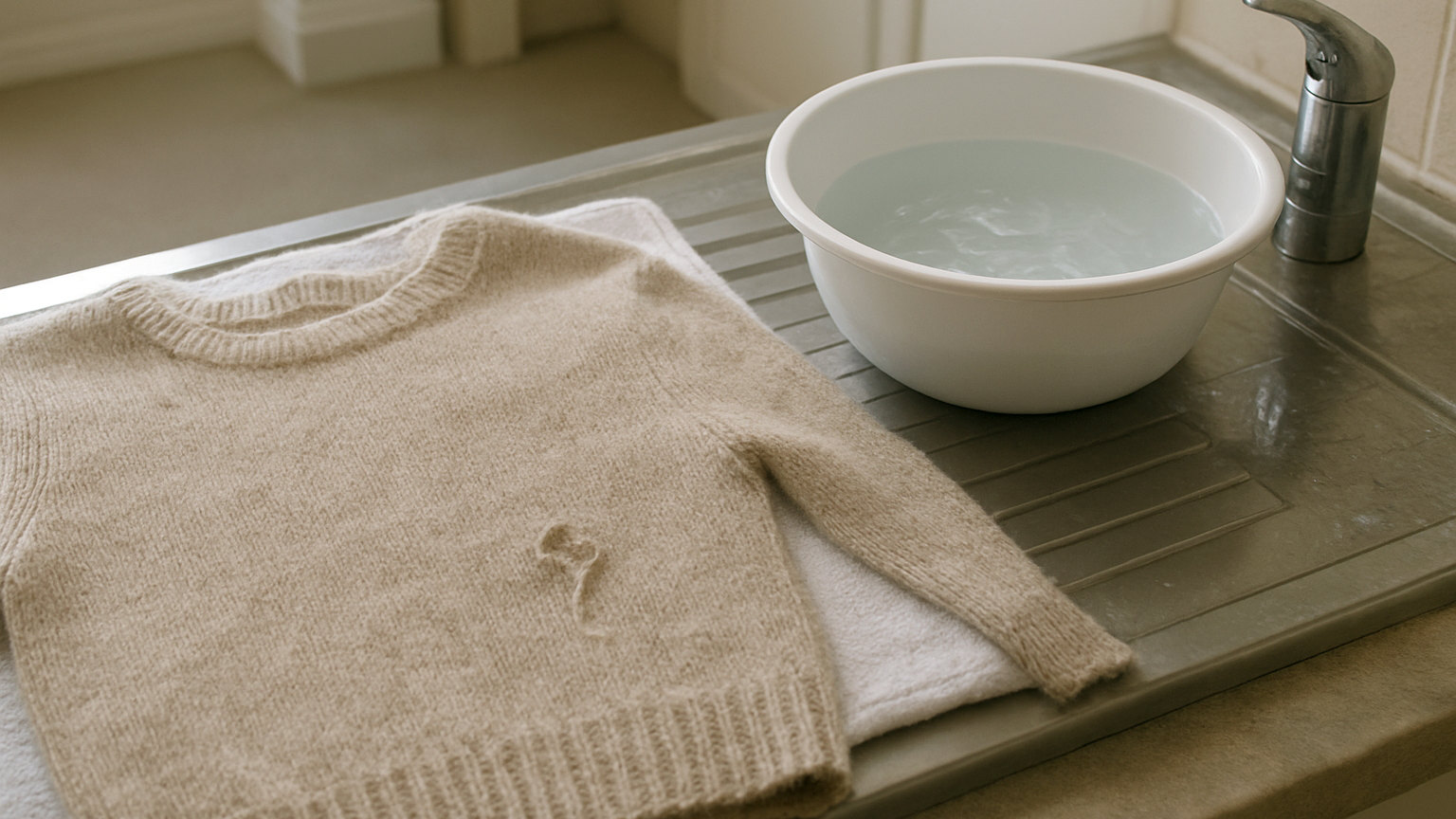
A soak is done by hand, in a sink or a bowl, before anything goes in the machine. It takes longer, uses less water and is far more effective on a specific stain, because the item sits still rather than being agitated.
When is a prewash worth using?
- Muddy sports kit and work clothes, where a large amount of loose soil needs removing before the main wash.
- Nappies and heavily soiled bedding.
- Garden and workshop clothing.
- Anything that would otherwise contaminate the main wash water so badly that the rest of the load suffers.
For ordinary laundry it adds water, energy and time without improving the result, and the prewash compartment in the drawer is more often filled by accident than on purpose.
How long should a soak last?
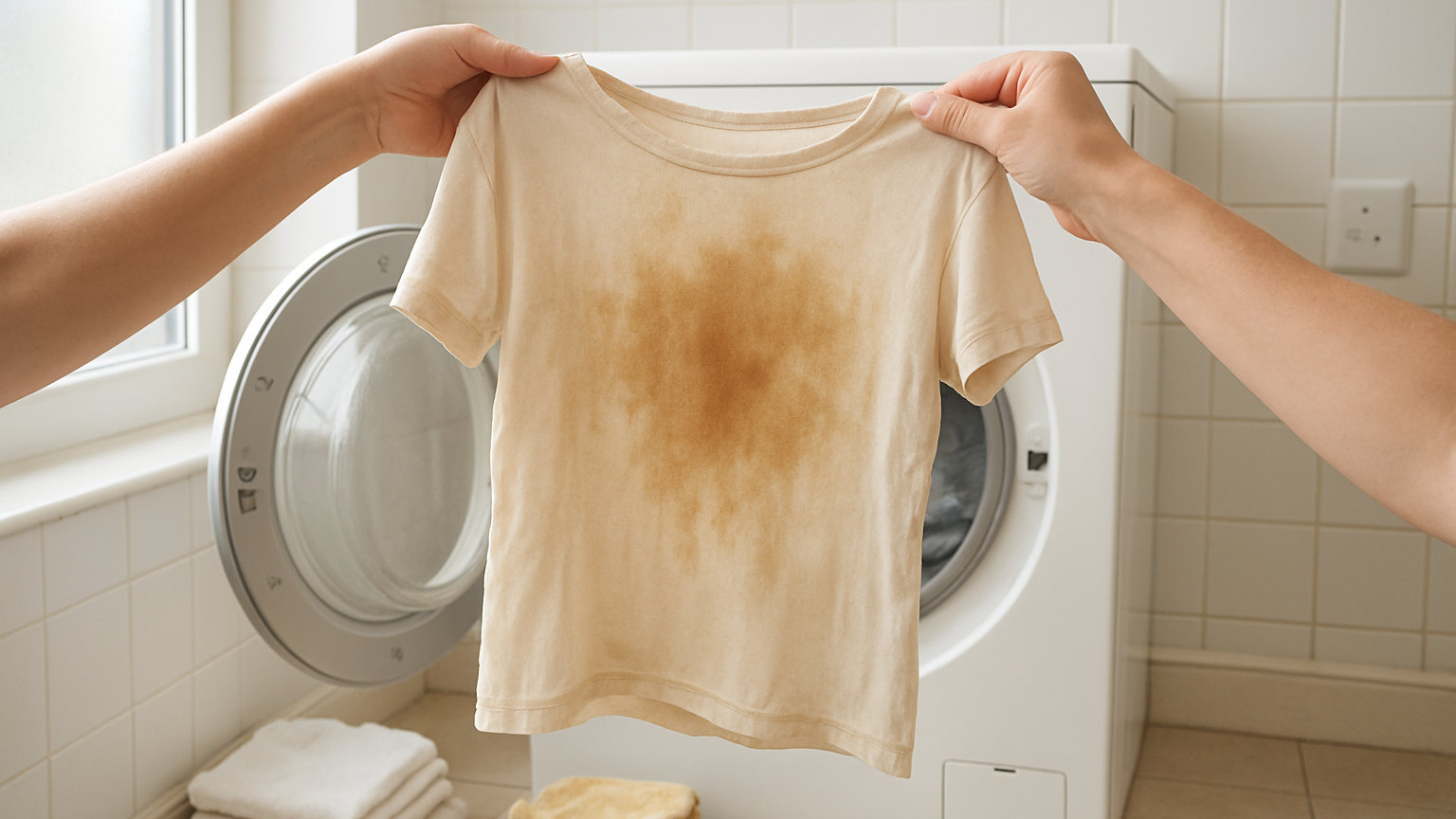
Thirty minutes deals with most fresh marks. Two to four hours suits set-in stains and general dinginess. Overnight is reasonable for heavy soiling and for whites that have gone grey, though it should not be used on delicate fabrics, on anything with a risk of colour running, or on wool and silk.
Longer is not always better. Prolonged soaking can weaken fibres, loosen dye and, in a warm room, allow an unpleasant smell to develop.
What temperature should the water be?
This is the part that matters most, and the answer depends on the stain.
Cold water for protein stains: blood, egg, milk, sweat and grass. Heat sets these permanently by coagulating the protein into the fibre, and a hot soak will make them impossible to remove afterwards.
Warm water for grease, oil and general soiling, since fats need warmth to soften and disperse.
If you are not sure what caused the mark, use cold. Cold water cannot set anything, and a cold soak can always be followed by a warm wash.
What should you add to the water?
For general soiling, a small amount of the usual detergent. For protein stains, a biological detergent, whose enzymes break protein down, in cool rather than hot water. For whites that have greyed or yellowed, an oxygen based laundry booster, which works slowly and is far gentler than chlorine bleach.
Never mix a bleach product with anything else, and never soak wool or silk in a biological detergent, since the enzymes will attack the protein fibres of the fabric itself.
What should not be soaked?
Wool, silk, anything labelled dry clean only, leather and suede trims, anything with metal fittings that may rust, and anything brightly coloured that has not been tested for colour fastness. Non-colourfast items left in water will bleed into themselves as well as into anything else in the bowl.
Does the machine have a soak setting?
Many do, sometimes called soak, stain or intensive, and it pauses the cycle with the drum full for a set period. It is a convenient middle ground, though it uses considerably more water than a bowl and cannot be extended for as long.
Whichever method you use, check the item carefully before drying it. Heat from a tumble dryer sets anything that survived the wash, and a stain that is still faintly visible while the fabric is wet is far easier to deal with on a second attempt than the same stain after an hour in a hot drum.