Washing machine programmes look complicated and are not. Almost every cycle is a combination of three variables: water temperature, how vigorously the drum moves, and how fast it spins at the end. The cycle names describe combinations of those three. Once you know what each programme is doing, choosing becomes straightforward.
What do the main cycles actually do?
- Cotton – the most vigorous agitation and the highest spin. Best for robust items: towels, bedding, jeans, hard wearing cottons.
- Synthetics or easy care – gentler agitation, more water, lower spin. Reduces creasing on polyester and mixed fibres.
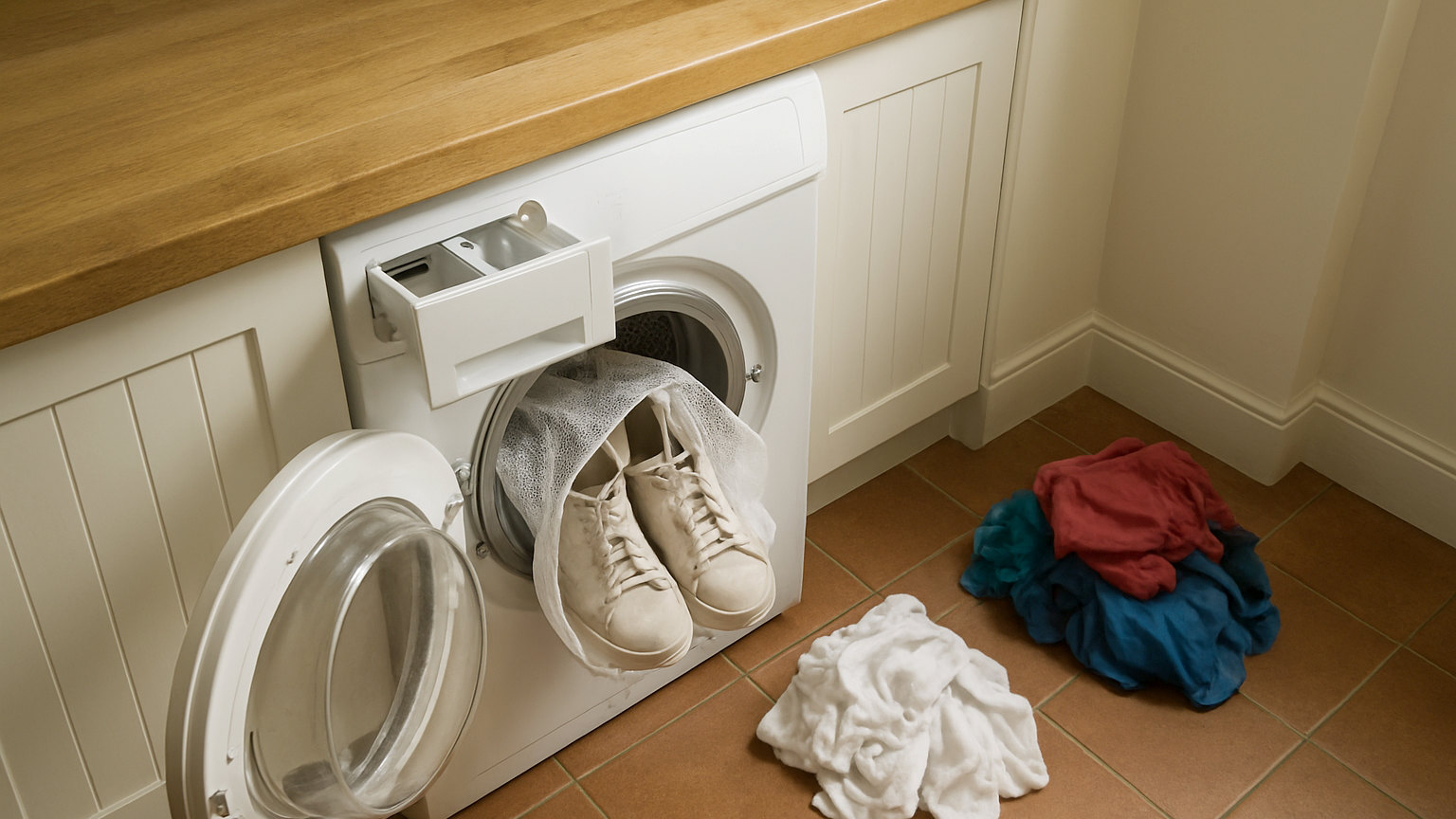
- Delicates – minimal agitation, lots of water, low spin. For lace, silk blends and anything fragile.
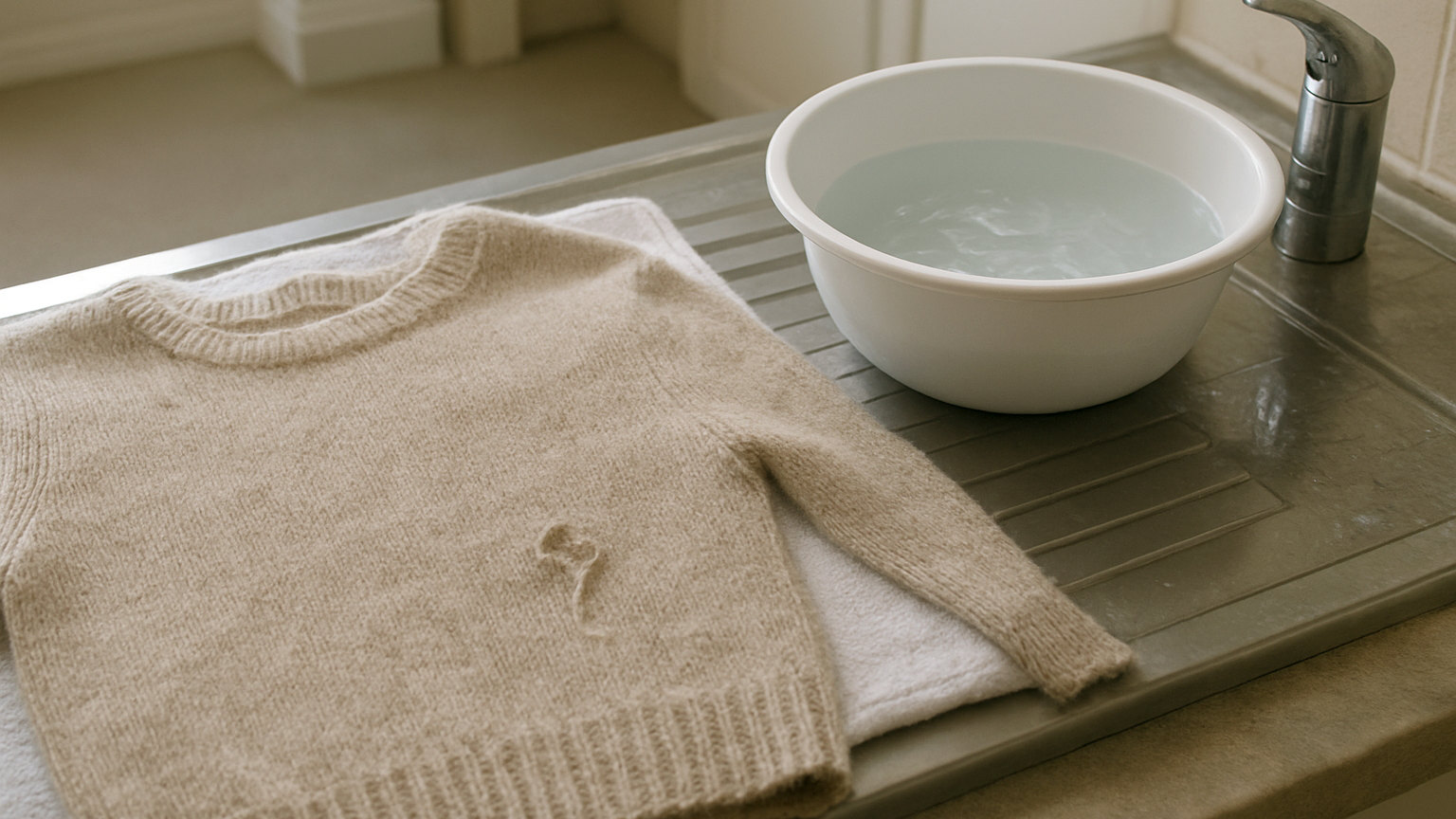
- Wool or hand wash – the drum rocks rather than tumbles, with no rubbing at all. Essential for wool, which felts irreversibly with agitation.
- Eco or cotton eco – a long cycle at a low temperature, usually the most efficient programme on the machine.
- Quick wash – short, often 15 to 30 minutes, with reduced water and rinsing.
Why is the eco cycle so long?
Because it trades time for energy. Heating water is the biggest energy cost in a wash, so an eco programme uses a lower temperature and compensates with a much longer cycle, giving the detergent more time to work. It also uses less water.
Counter-intuitively, a three hour eco wash usually costs less to run than a one hour standard wash at the same nominal temperature. It is the right default for everyday loads where you are not waiting for the machine.
When should you use a quick wash?
For small loads of lightly soiled clothing that you need back quickly. It is genuinely useful and widely misused. A quick wash has reduced water, less agitation time and often fewer rinses, so it cannot handle a full drum, heavy soiling or a normal detergent dose.
Use roughly half the usual detergent on a quick wash, and keep the load to about half the drum. Overloading a quick cycle is one of the most common reasons clothes come out still marked or smelling stale.
What does the extra rinse option do?
Adds a rinse cycle, which is worth using for bedding, towels, anything worn against sensitive skin, and any load where you suspect detergent residue. It uses more water and adds time, and it is the first thing to try if anyone in the house has skin irritation after wearing freshly washed clothes.
What about the prewash?
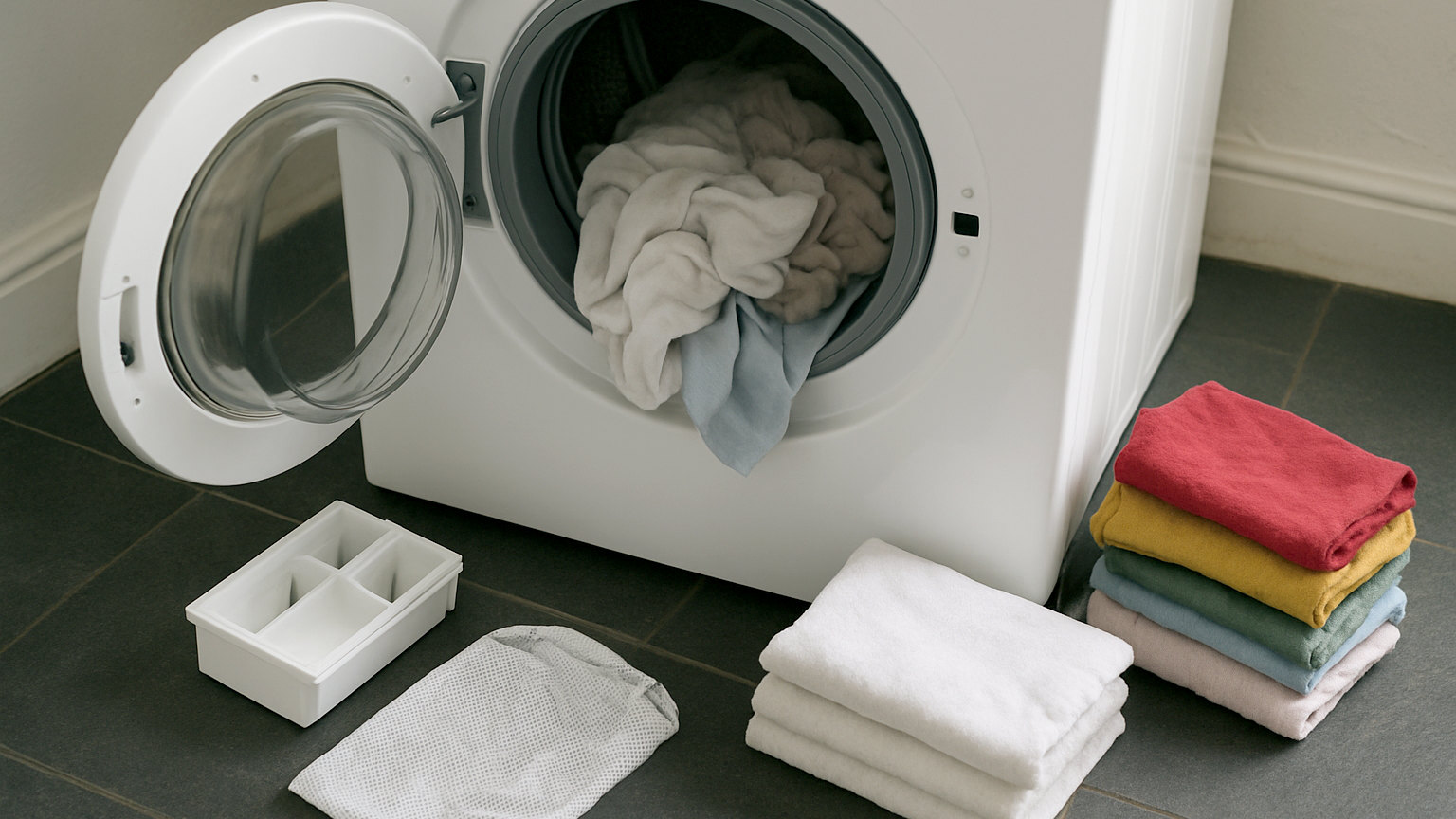
A prewash runs a short cycle with its own detergent before the main wash, and it is genuinely useful only for heavily soiled items: work clothes, muddy sports kit, nappies. For ordinary laundry it doubles the water and adds nothing. Most machines have a separate compartment in the drawer for prewash detergent, which is frequently filled by accident.
How do you choose in practice?
Match the cycle to the most delicate item in the load rather than the toughest. A jumper washed on a cotton cycle will be damaged; a towel washed on a delicate cycle will simply be slightly less clean. Erring towards gentleness costs very little.
In practice, most households need three programmes: eco cotton at 30 or 40 for everyday clothes, cotton at 60 for towels and bedding, and a wool or delicate cycle for anything fragile. Everything else on the dial is a refinement.
Do the sensor and auto programmes work?
Reasonably well on modern machines. Load sensing adjusts the water level and the cycle time to the weight in the drum, which saves a useful amount of water on part loads. Some machines go further and sense the soil level by measuring how cloudy the water becomes, extending the wash if needed.
They are worth using for mixed everyday loads. What they cannot do is judge what the fabric will tolerate, since the sensor knows the weight and the dirt but not the fibre. For wool, silk or anything fragile, a manual choice remains the safer option.