How Do You Remove Mould From Walls Safely?
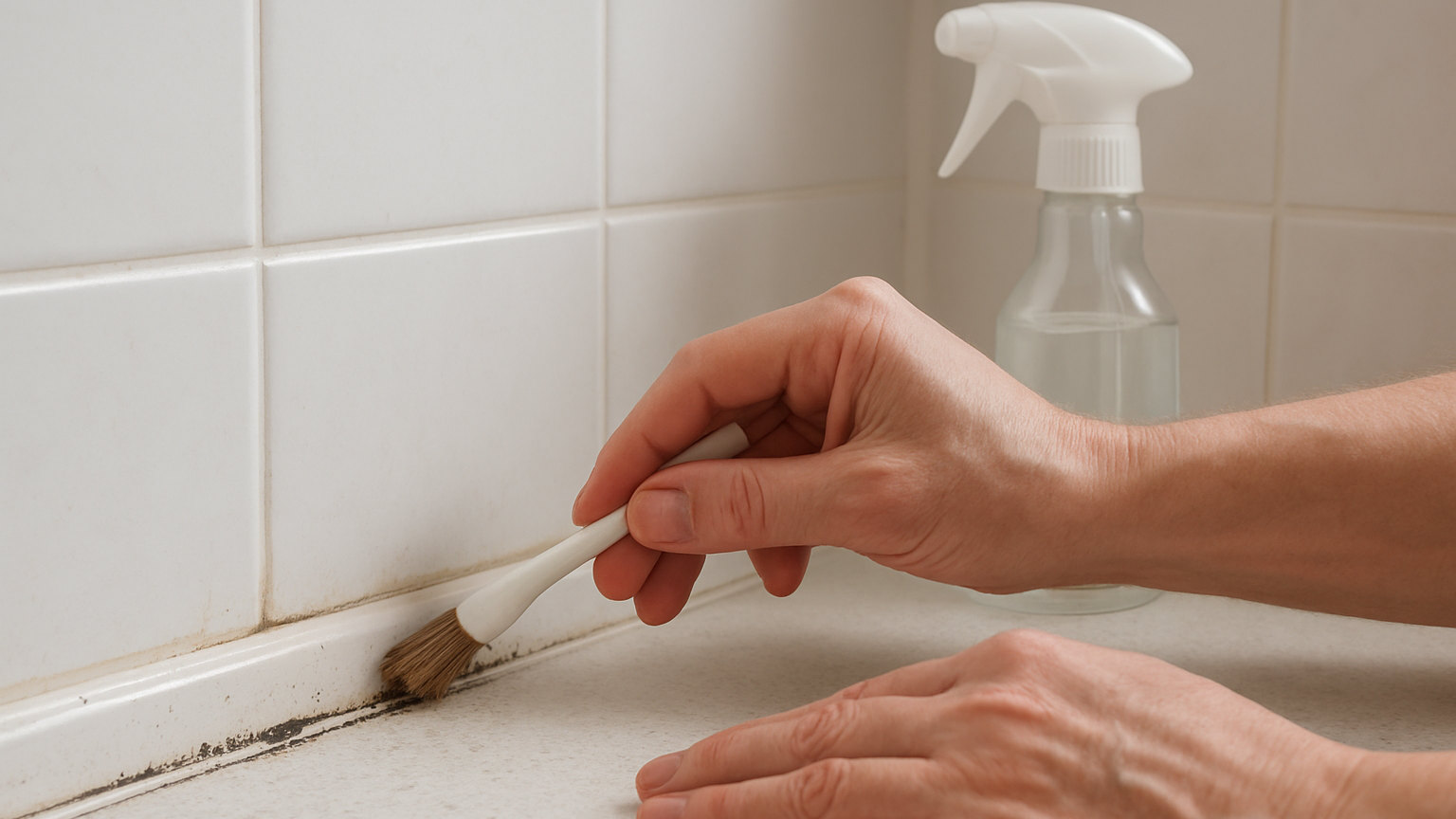
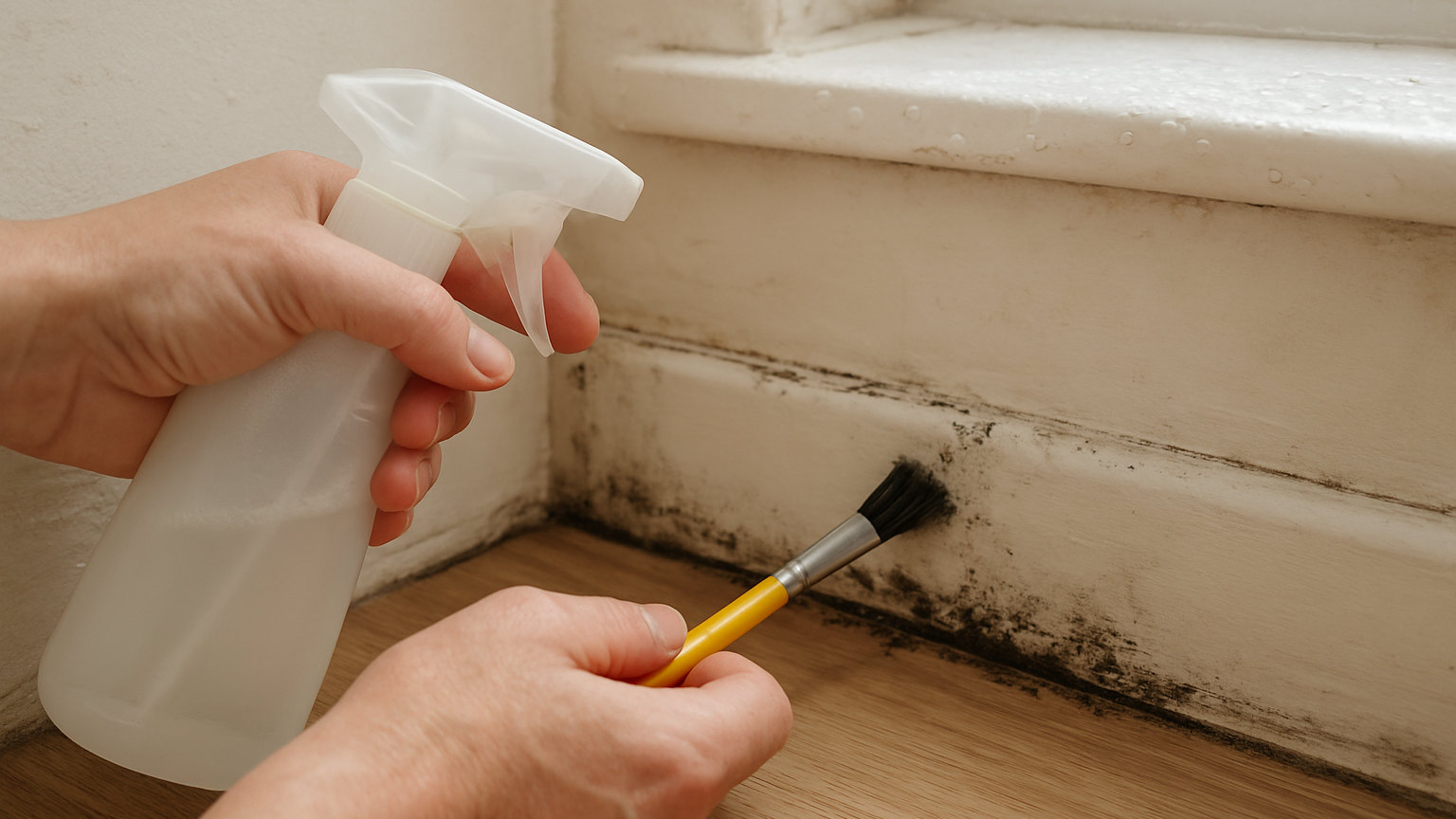
The safe method is as much about not disturbing the growth as it is about killing it, since dry brushing sends spores through the whole room.
By Cleaning Guides Team
27 Dec 2024

Stain removal is mostly about doing the right thing in the first five minutes and not doing the wrong thing at all. These guides are organised by what caused the mark rather than by product, because the chemistry differs: protein stains need cold water, grease needs the opposite, and heat sets several of them permanently. Every guide says what to do first, what to avoid, and when a stain is not coming out.
The safe method is as much about not disturbing the growth as it is about killing it, since dry brushing sends spores through the whole room.
An ultraviolet torch in a dark room shows every historical accident at once, which is usually more than anyone expected to find.
A mattress cannot be rinsed or wrung out, so the whole method is about using as little cold liquid as possible and drawing it back out again.
Whether ink comes off leather depends on whether the leather has a coating, and the test takes a drop of water and a few seconds.
Butter is fat plus milk solids, which means it needs a degreaser for one part and cold water for the other, in that specific order.
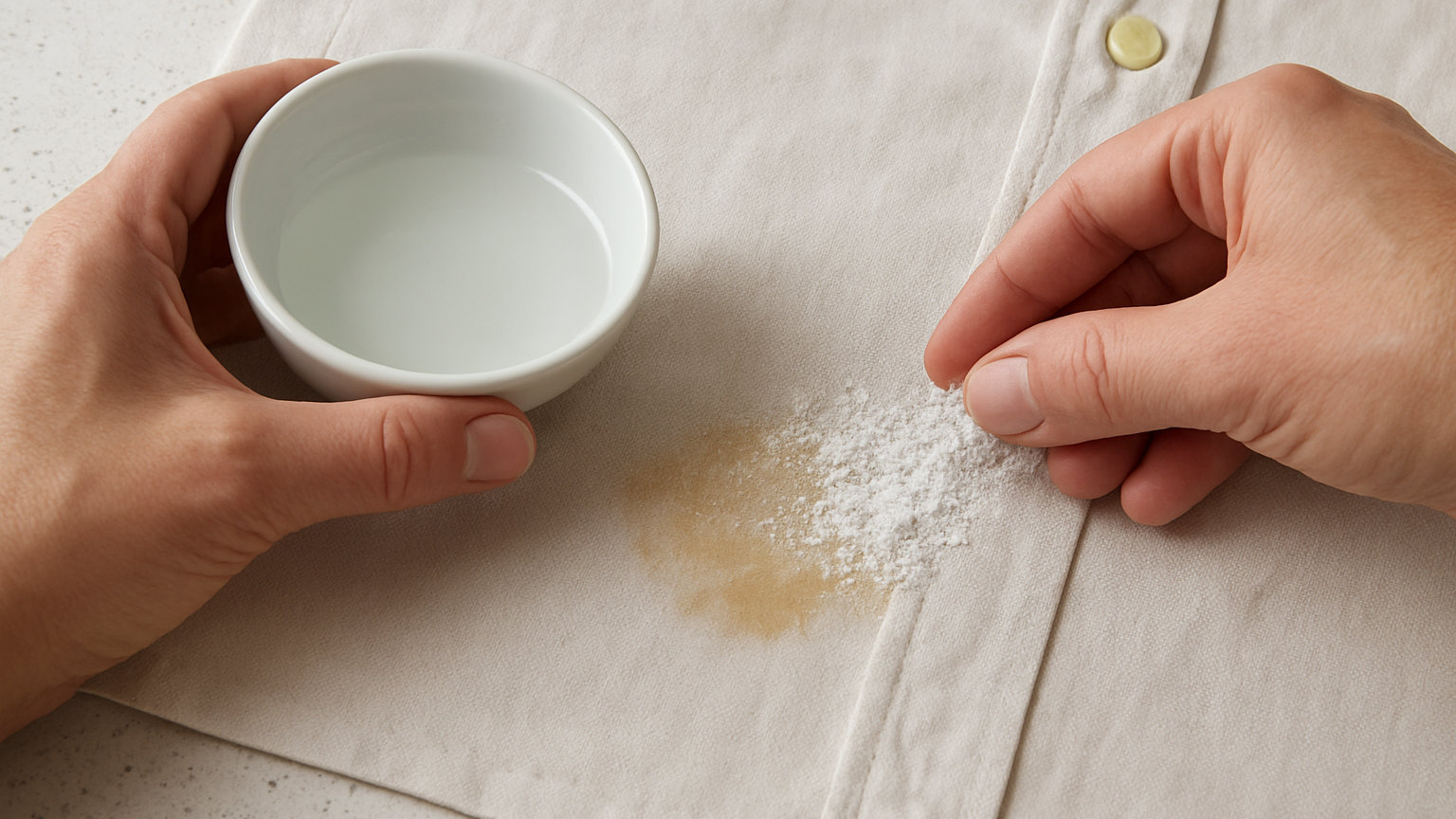
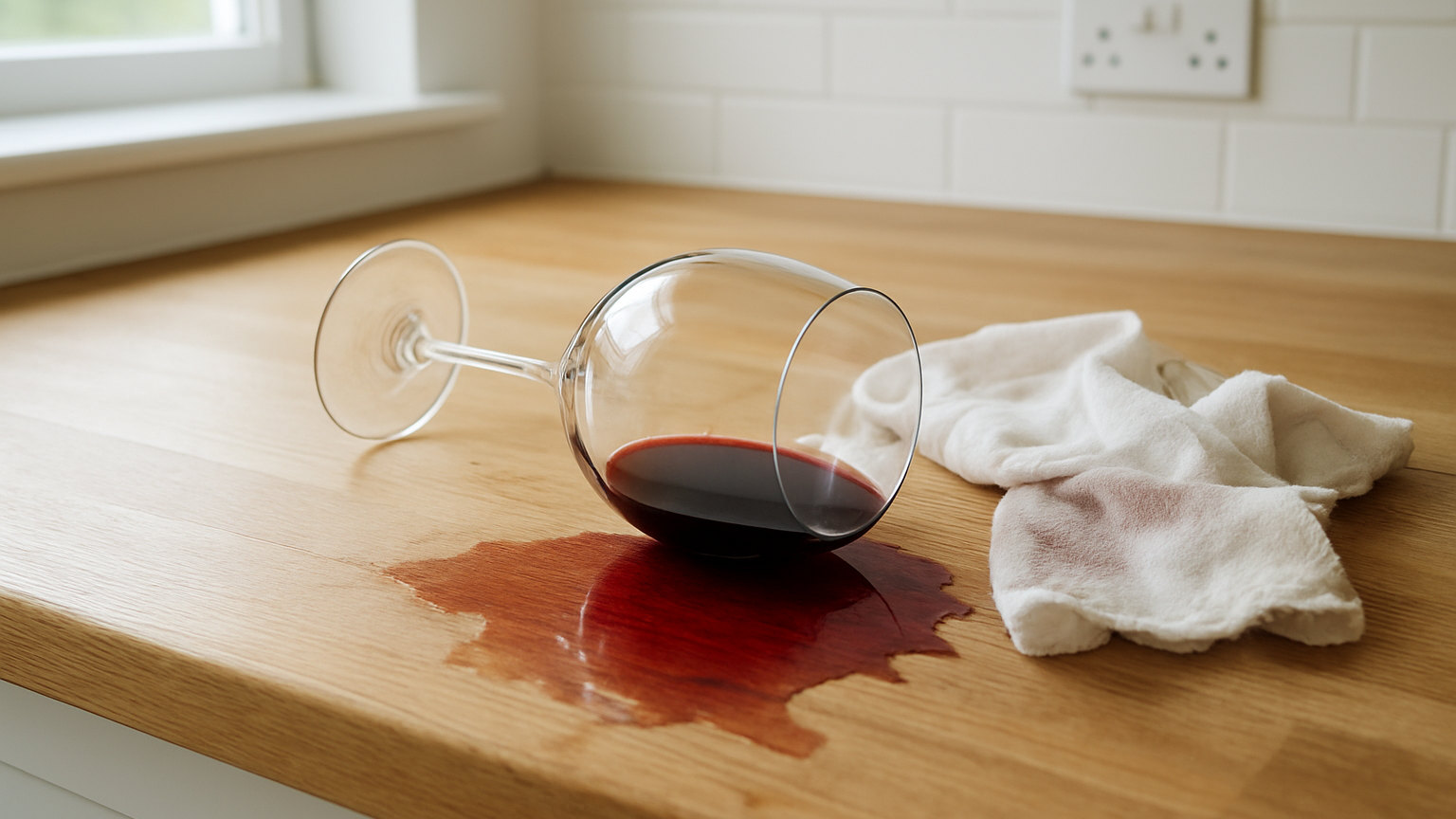
Salt absorbs a small amount of liquid and does nothing to the pigment, and the time spent fetching it is the time that actually mattered.
Chocolate is a combination stain with cocoa pigment, milk protein and cocoa butter, and each part needs treating in a different order.
Mould on fabric leaves both a growth and a stain, and the growth is straightforward to kill while the stain is frequently permanent.
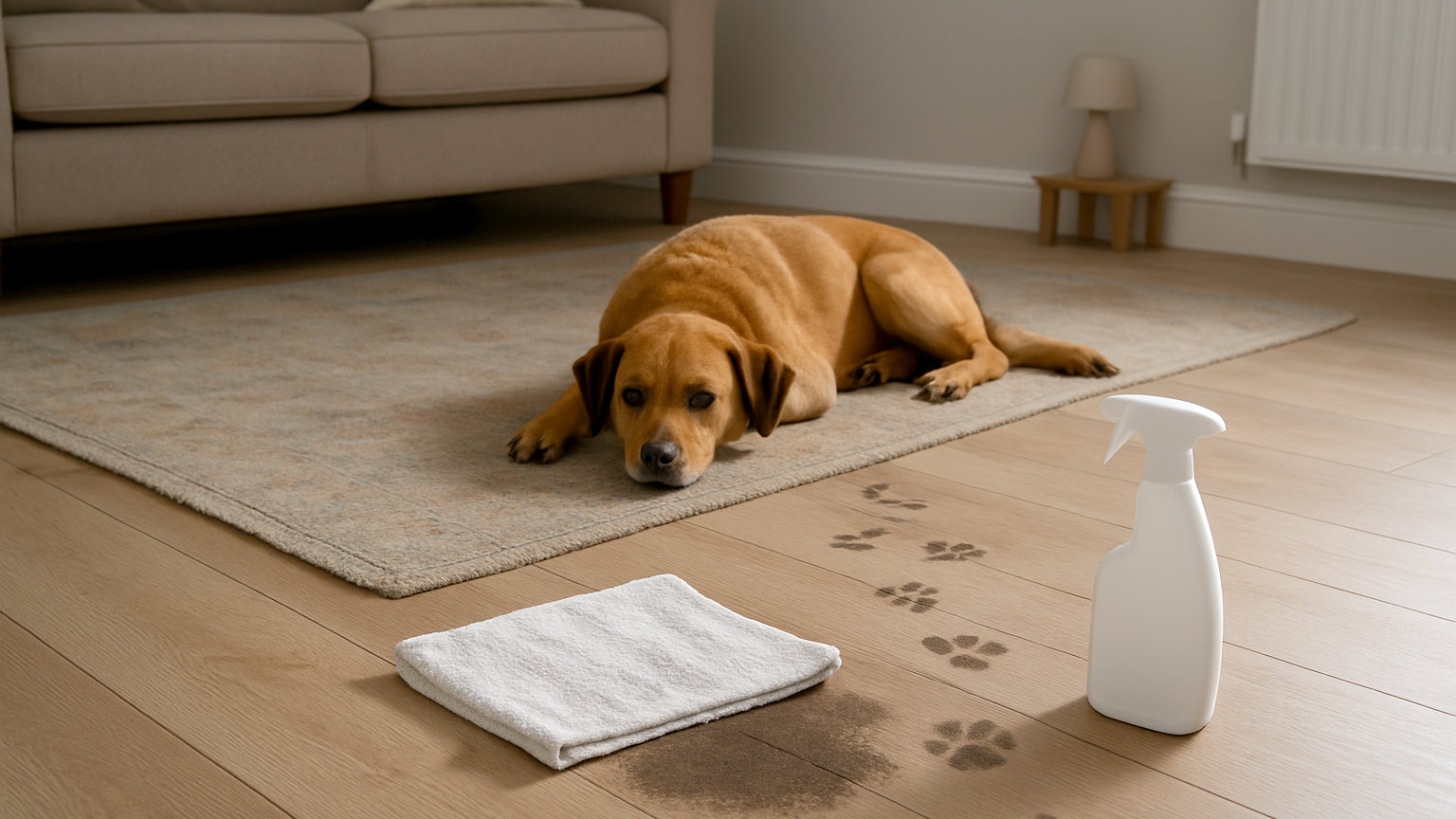
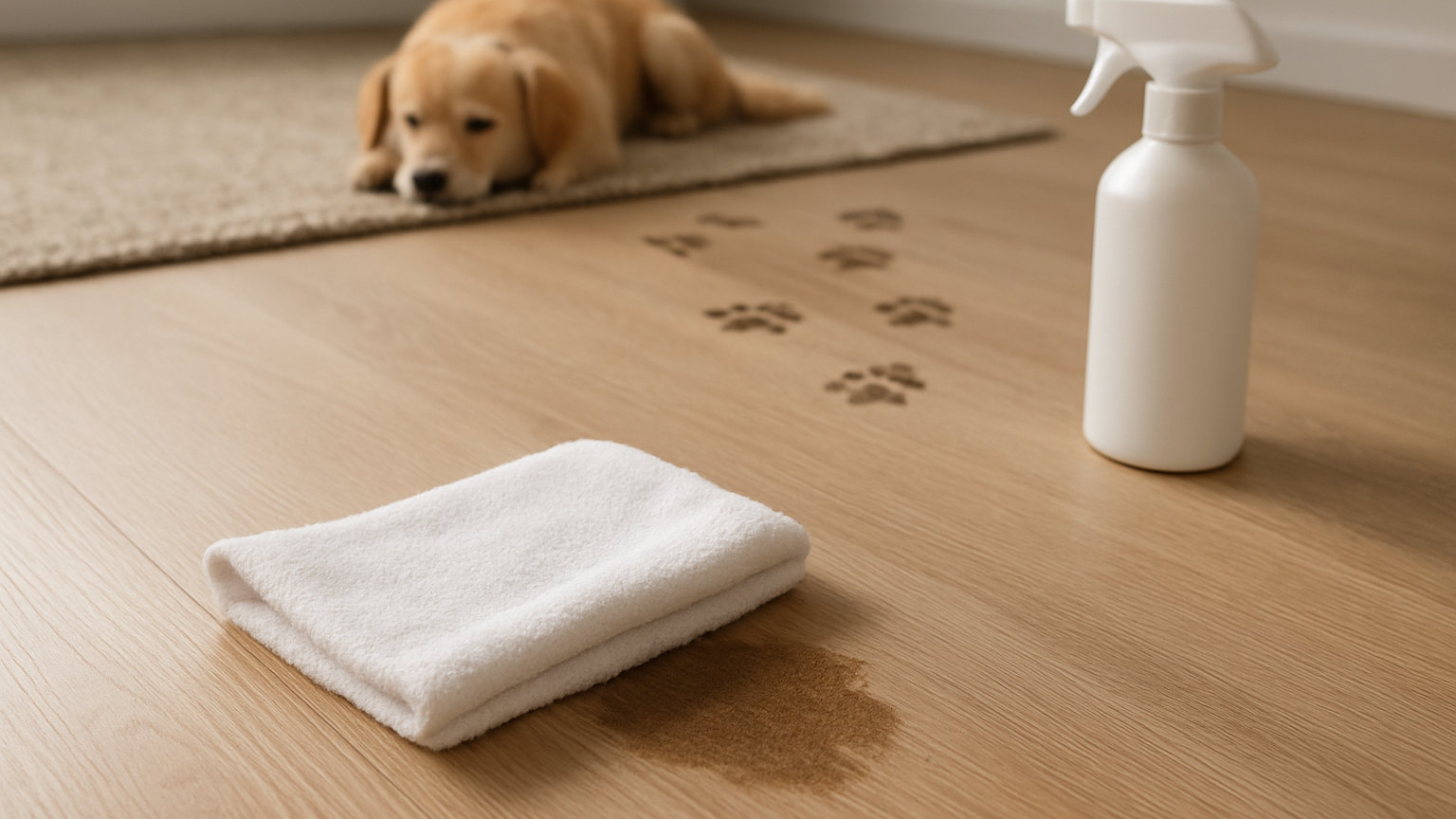
Uric acid crystals draw moisture from the air, so an untreated spot smells worse on humid days and seems to reappear from nowhere.
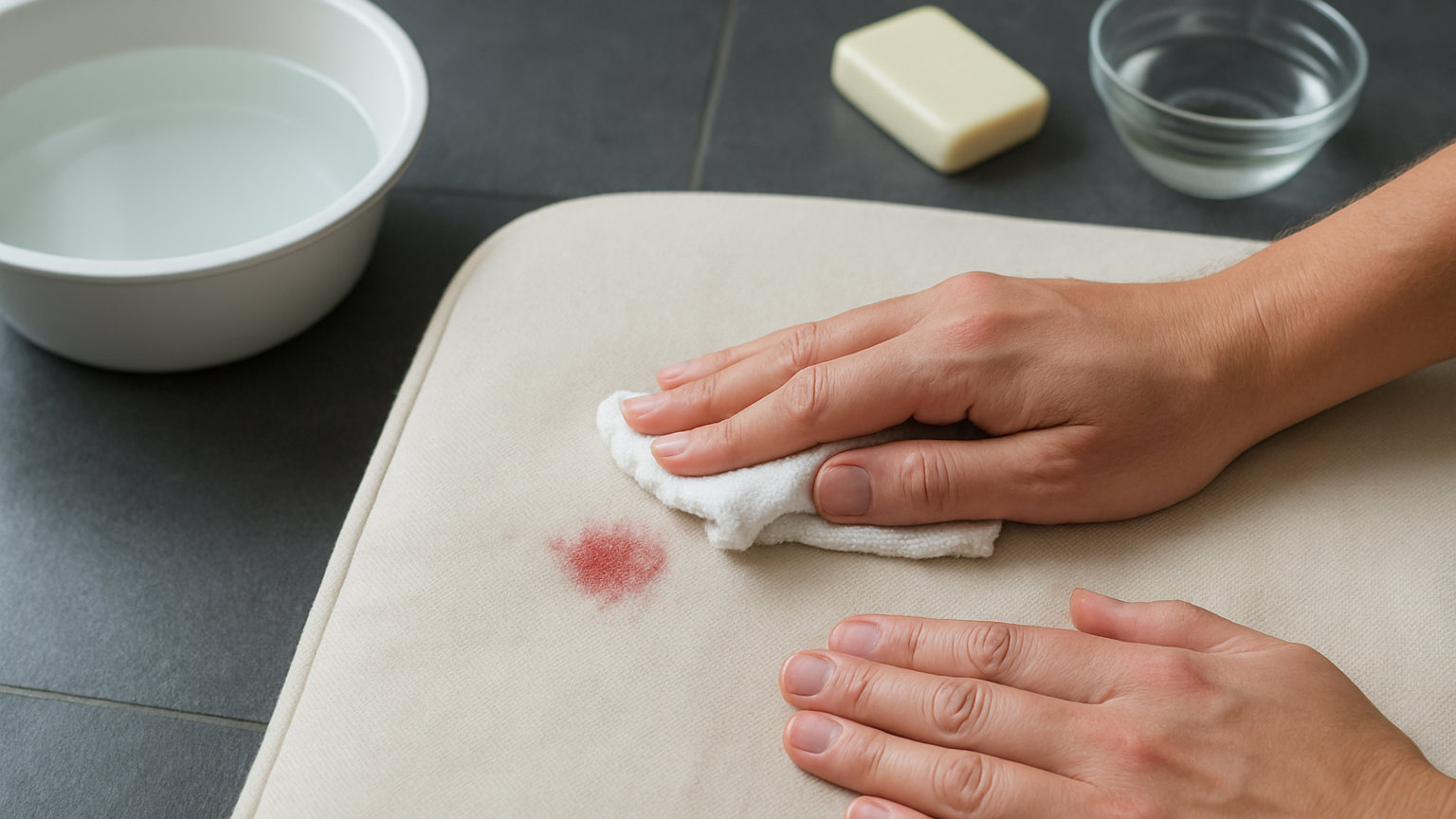
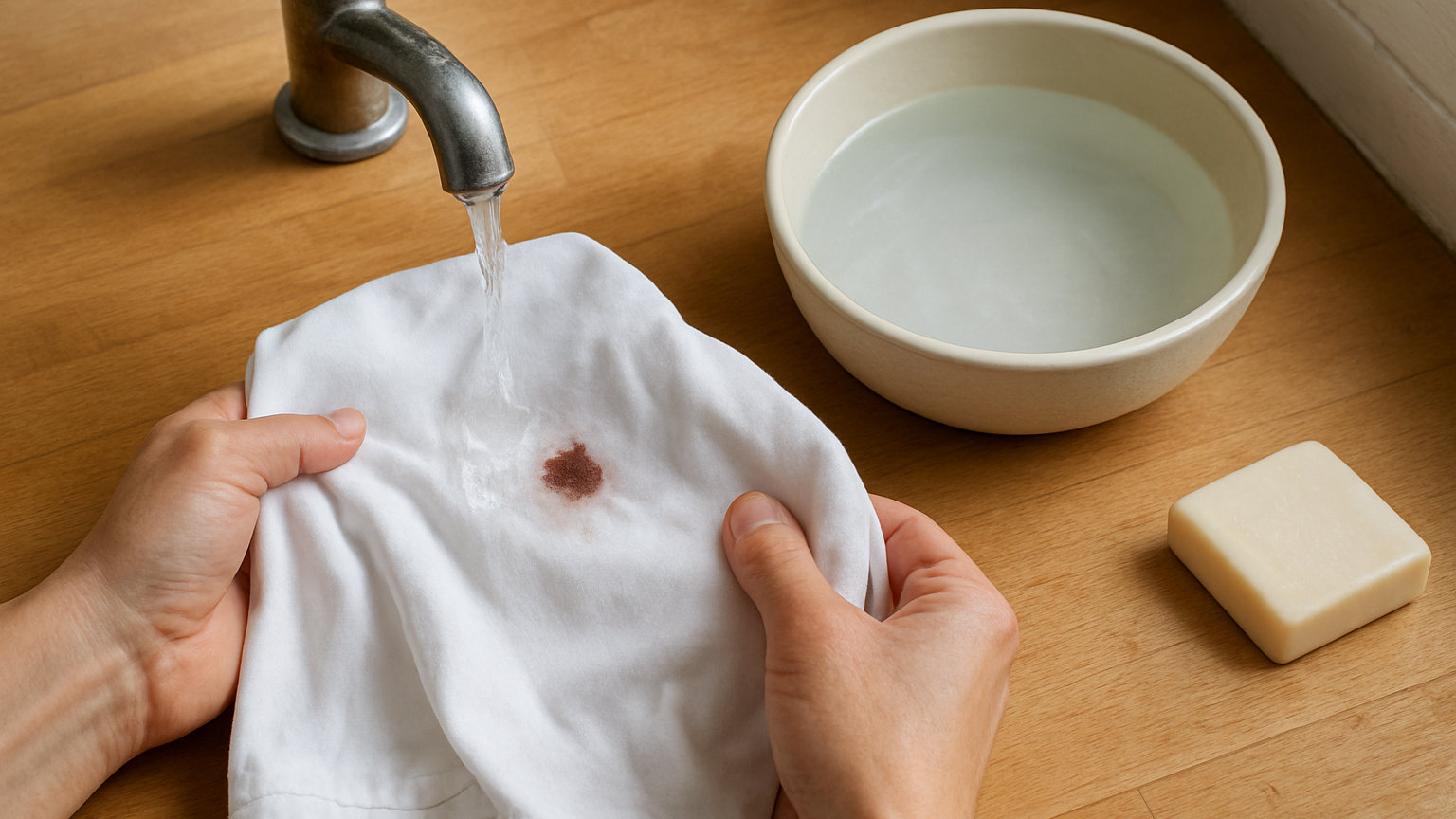
Dried blood is still removable provided it has never been heated, and the treatment is a long cold soak rather than anything aggressive.
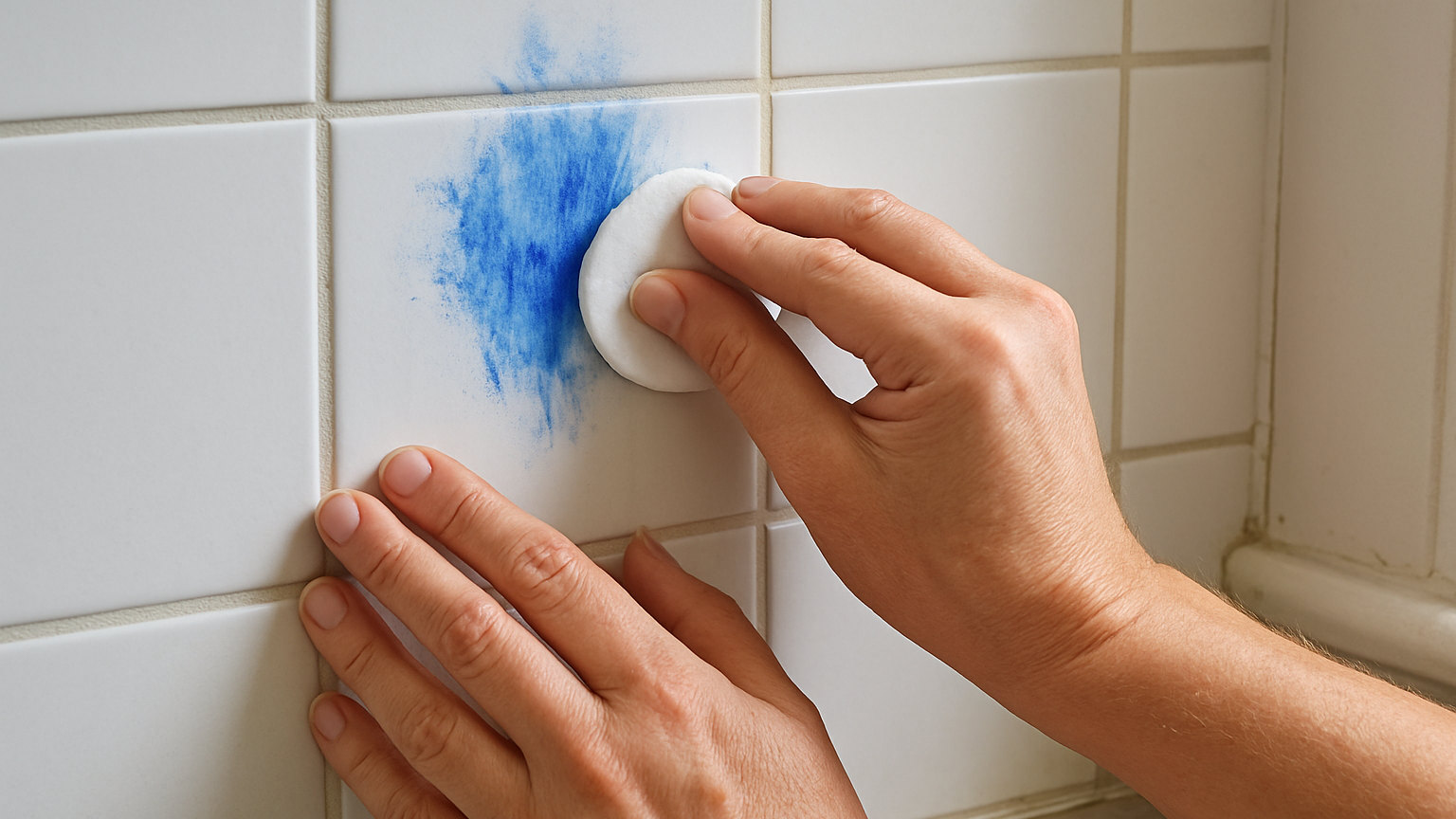
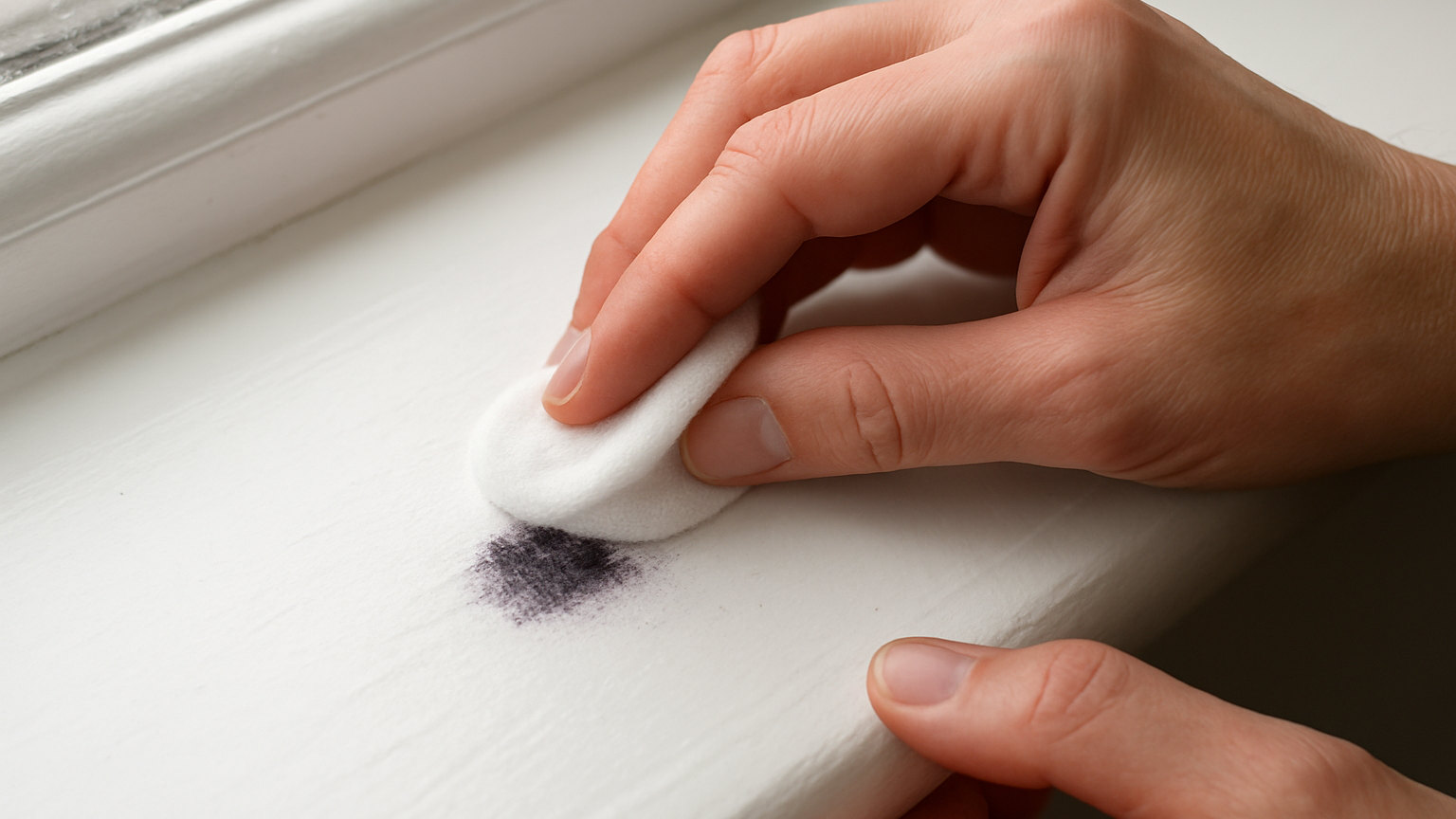
Permanent marker is designed to resist water and light, so removal depends entirely on what surface it is on rather than on a single method.
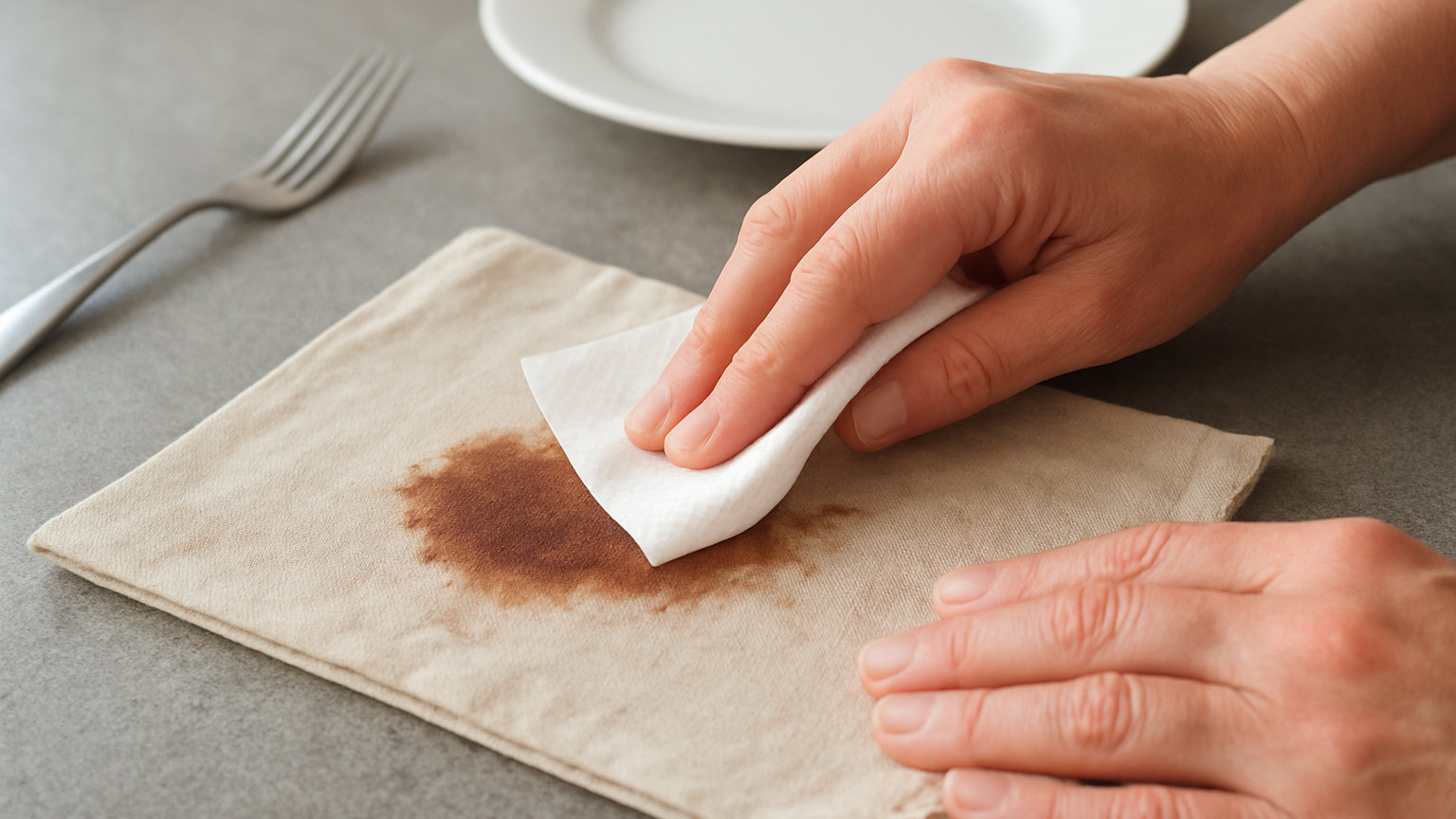
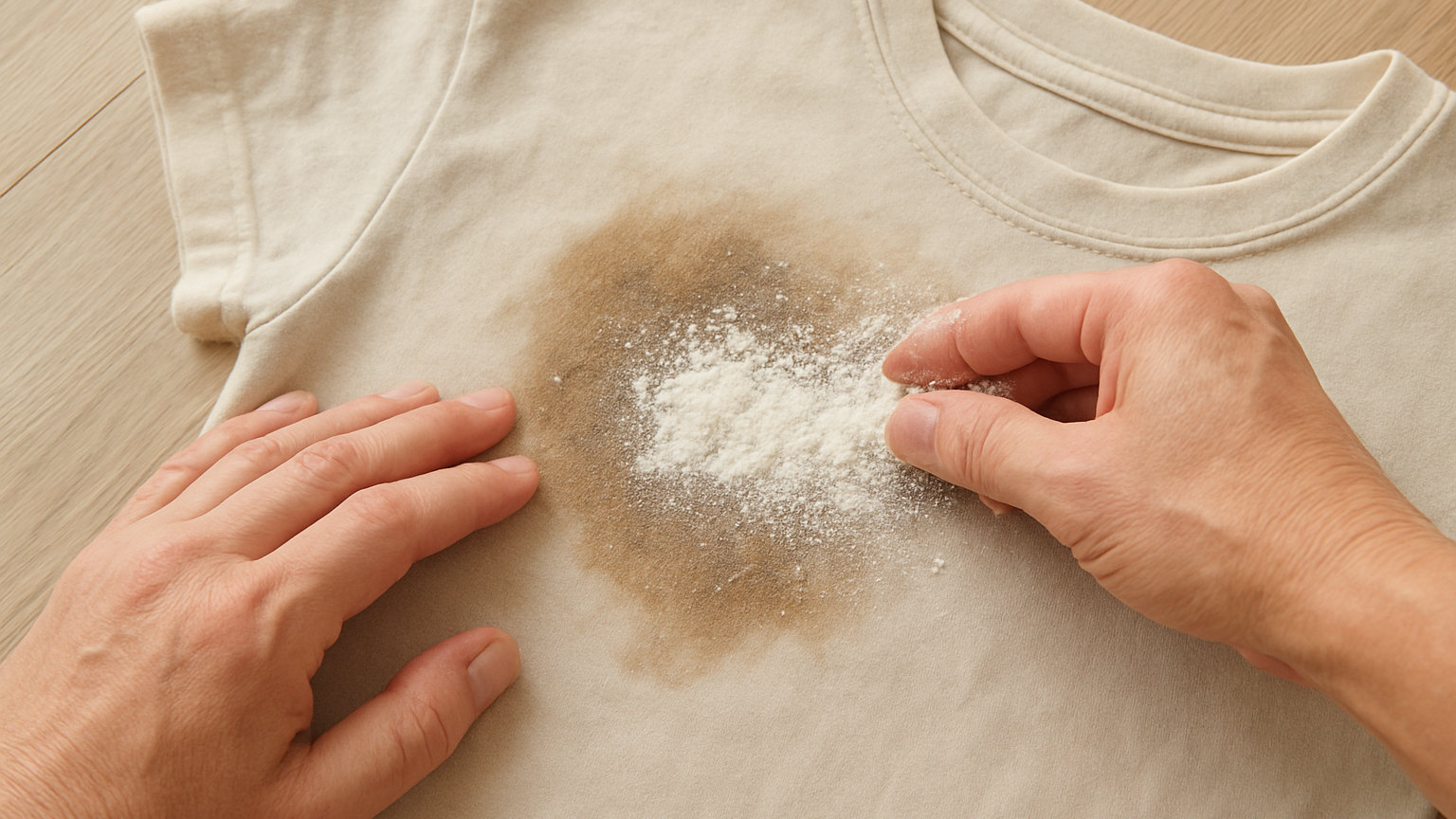
Cooking oil leaves a dark patch that looks like it will wash out and often does not, because oil sits in the fibre rather than on it.