What Do the Washing Symbols Mean?
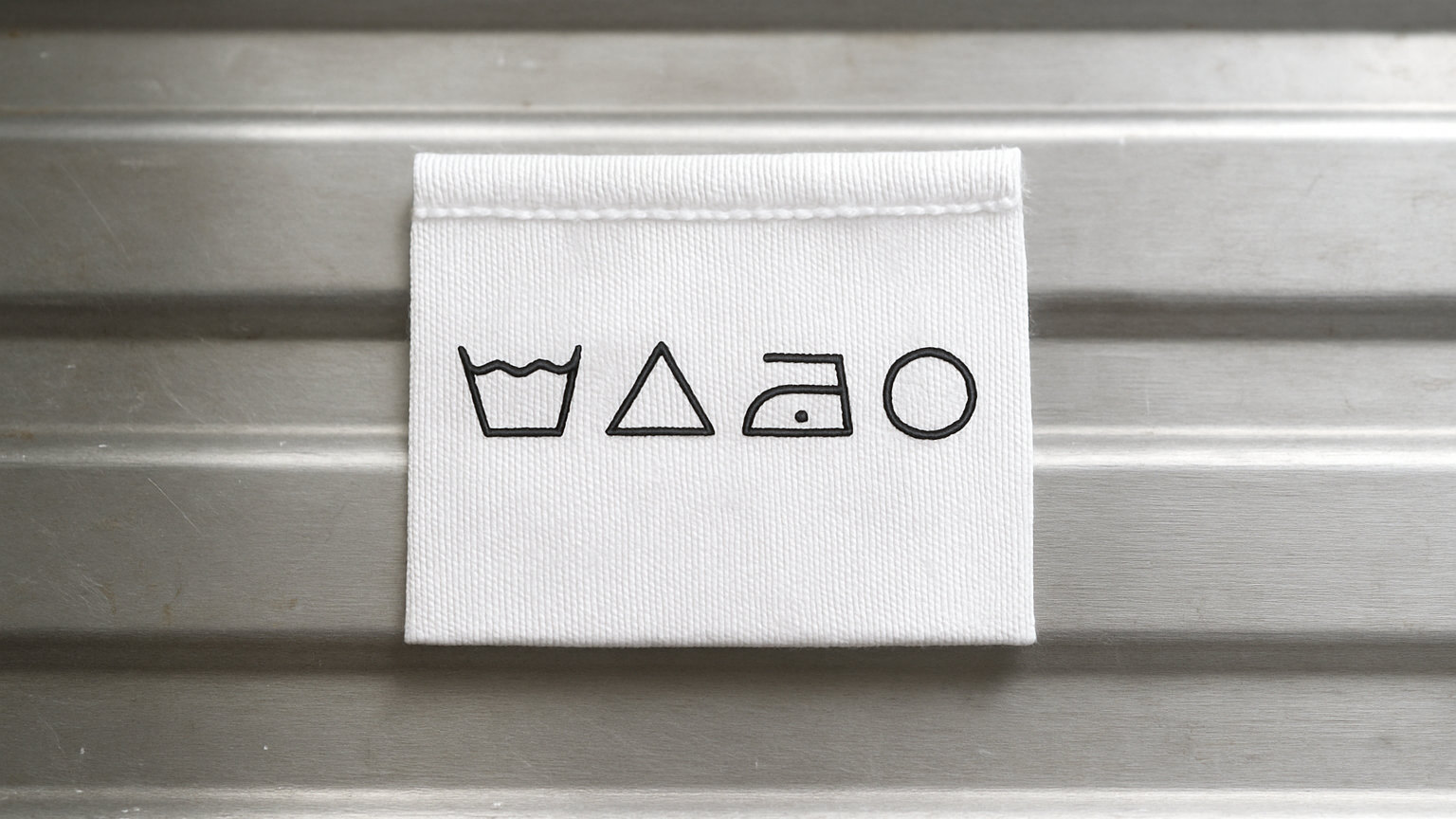
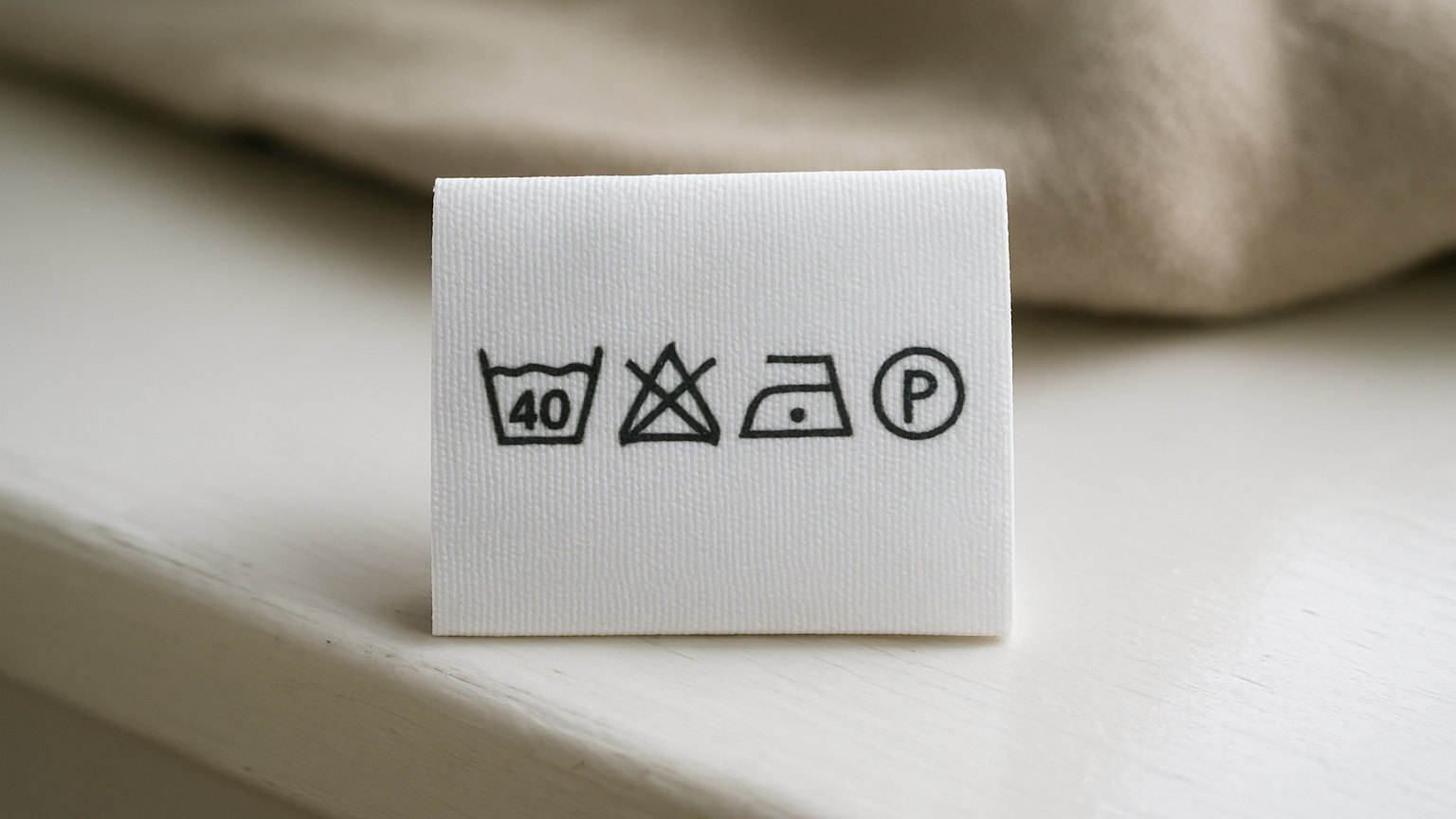
The tub symbol covers everything about the wash itself, and the variations tell you the temperature, the cycle and whether a machine can be used at all.
By Cleaning Guides Team
1 Nov 2024

Most laundry damage is done by the machine settings rather than by the detergent, and most laundry frustration comes from not knowing what the symbols on the label mean. These guides cover temperature and cycle choice, why washing hot is usually unnecessary, drying without shrinking or stretching, and the specific problems - grey whites, stiff towels, a machine that smells - that have straightforward fixes.
The tub symbol covers everything about the wash itself, and the variations tell you the temperature, the cycle and whether a machine can be used at all.
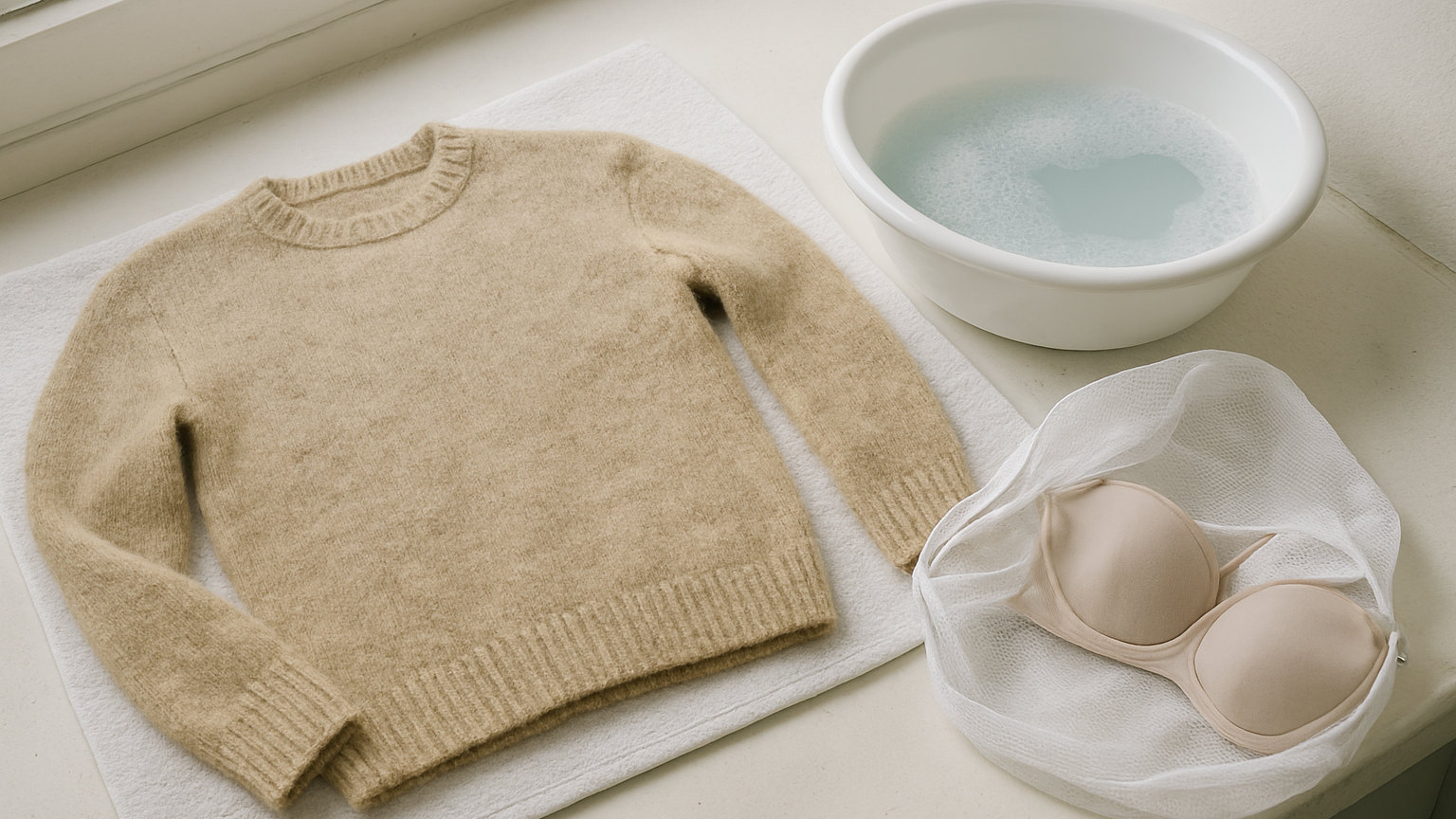
Wool shrinks because of agitation rather than water, which is why a gentle machine cycle is often safer than washing by hand.
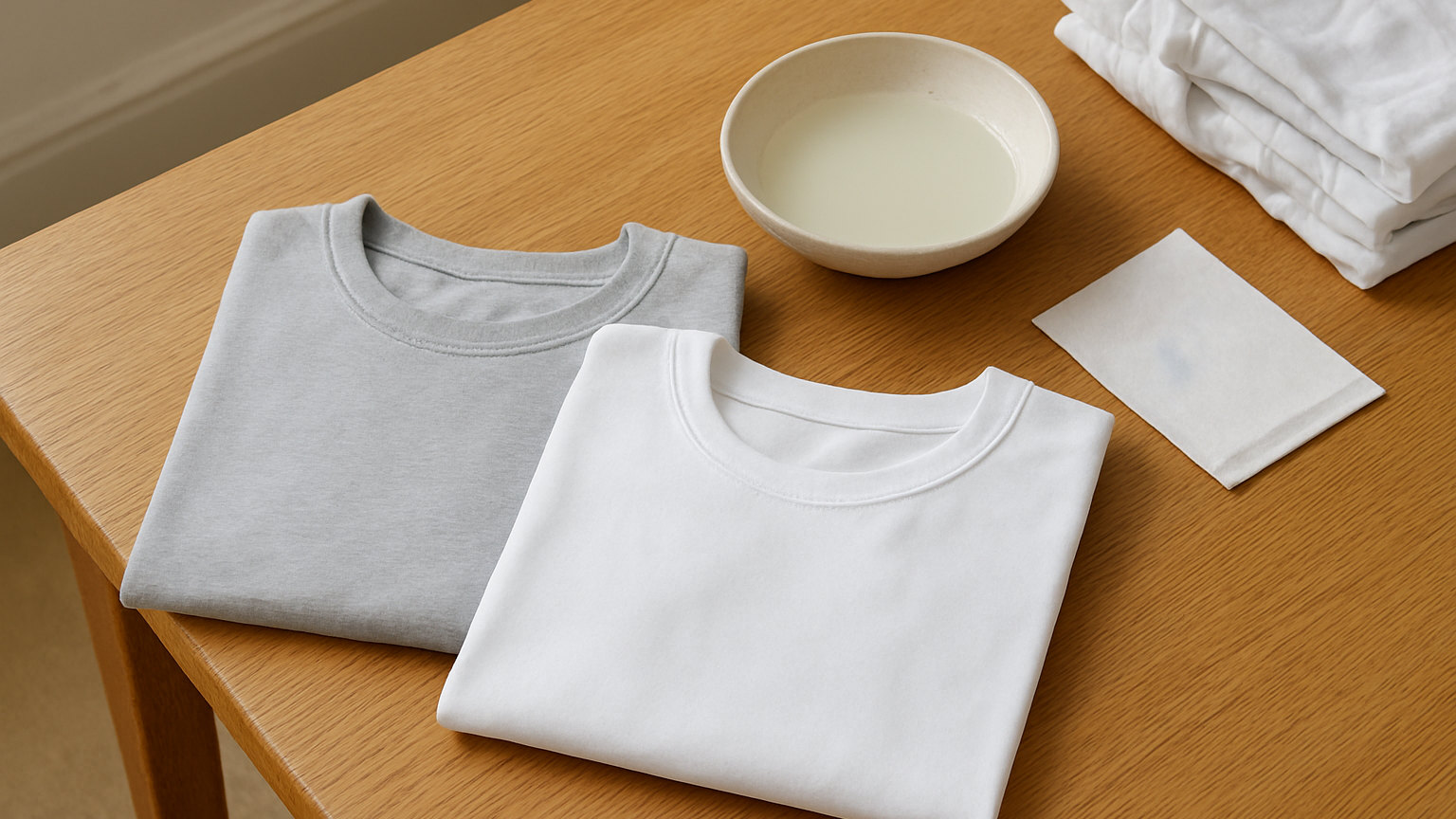
Greying is soil that was lifted off the fabric and then settled back onto it, which is why the fix is about rinsing rather than cleaning harder.
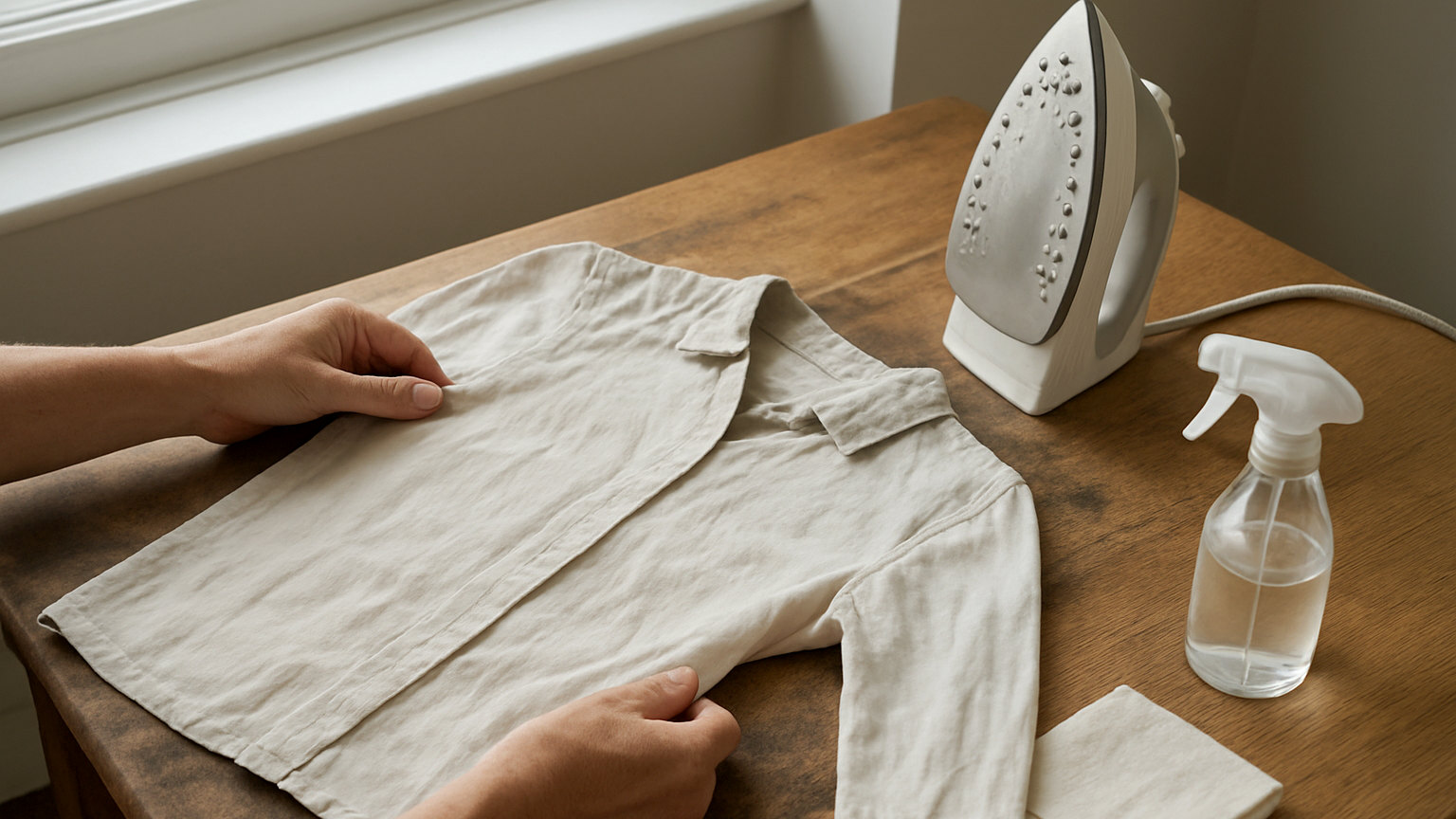
Most of what ends up on an ironing board could have avoided it entirely, and the decisions that make the difference happen at the drying stage.
Most of the water can be removed before drying even starts, and the spin cycle is far cheaper at it than any dryer or airer.
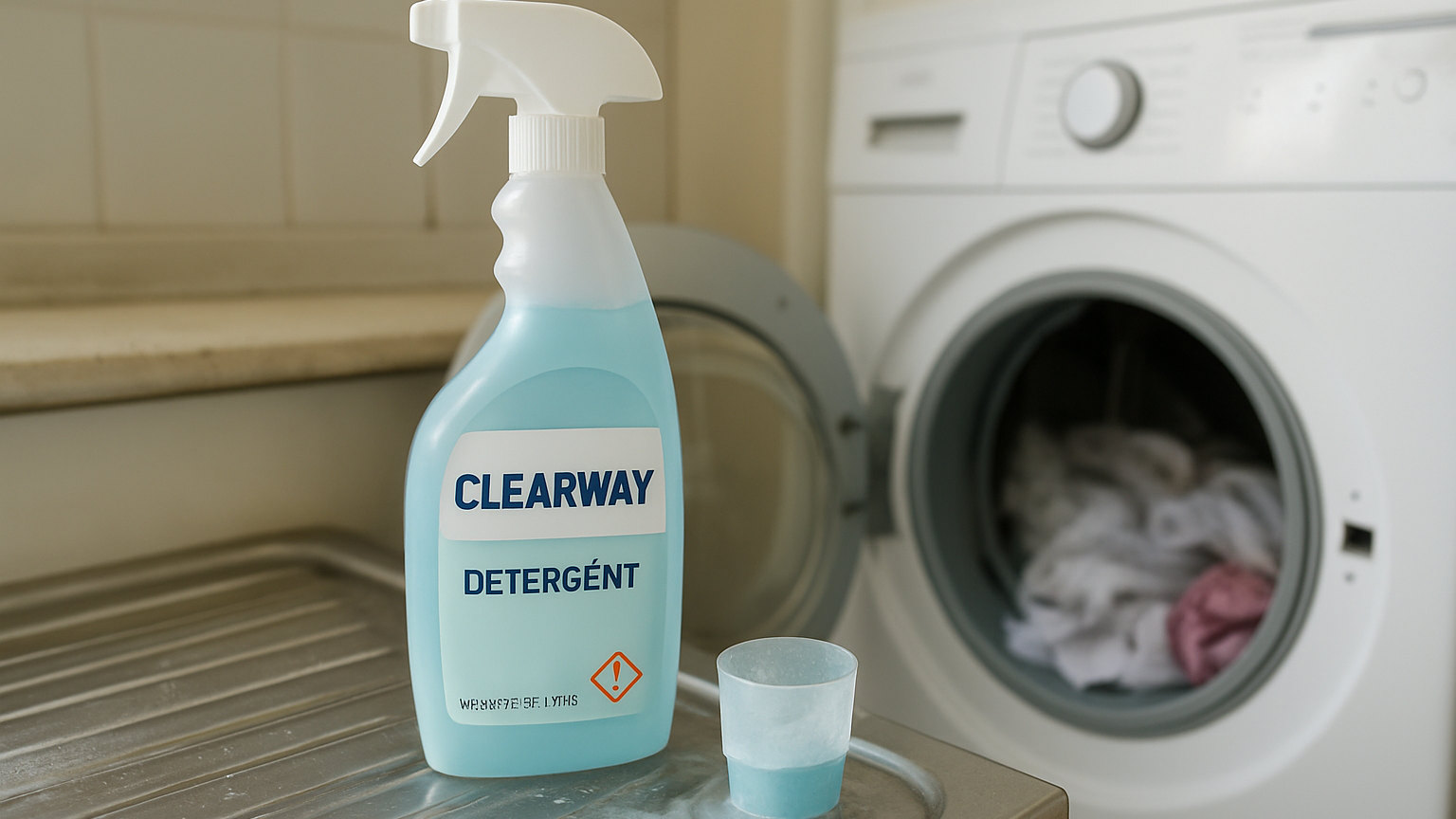
Most households use two or three times as much detergent as they need, and the excess is the cause of stiff towels and a machine that smells.
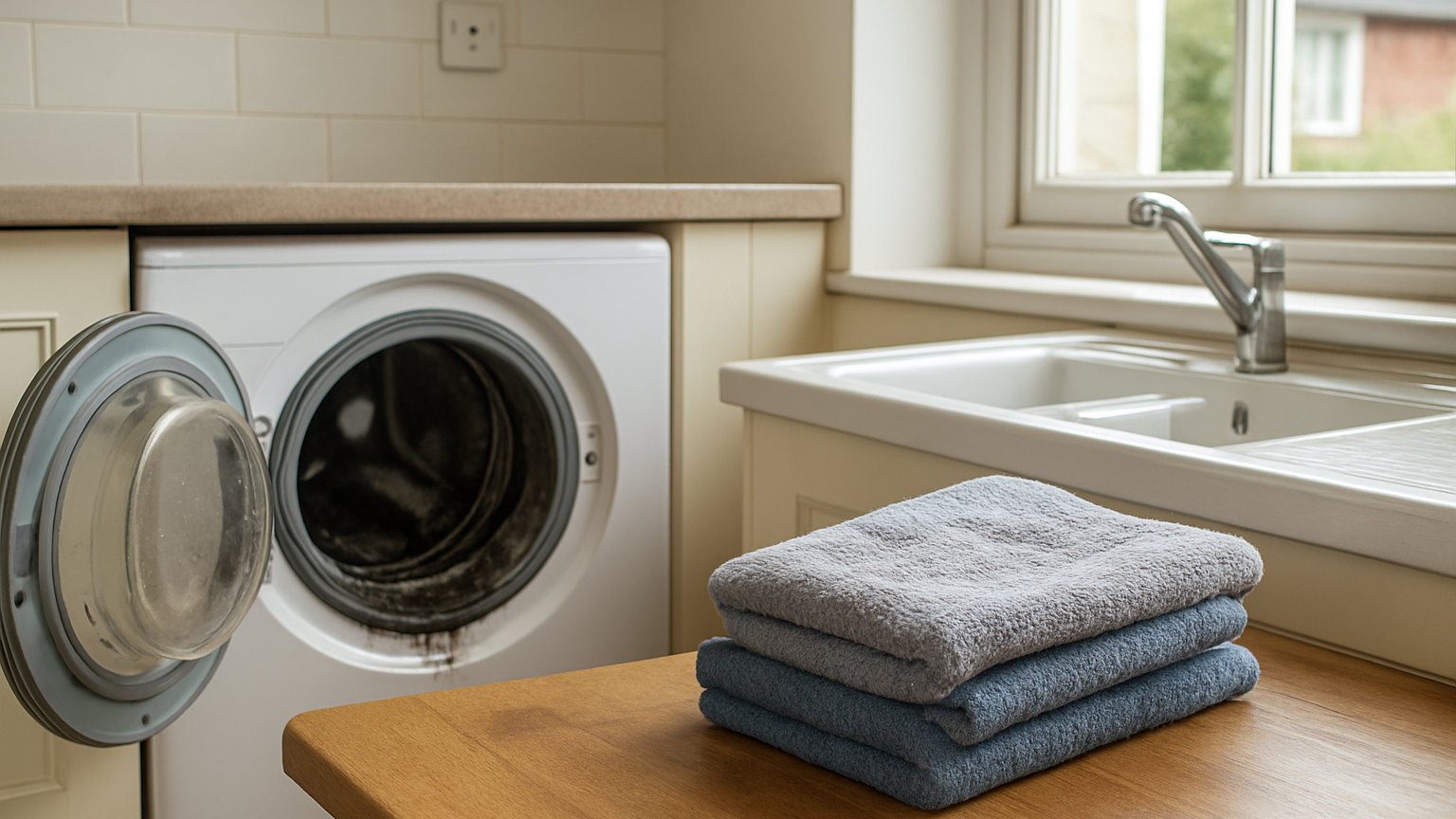
Washing that comes out of the machine already smelling has usually picked the smell up from the machine itself rather than failed to lose its own.
Every care label uses the same five symbols in the same order, and once you know which shape means what, the rest is detail.
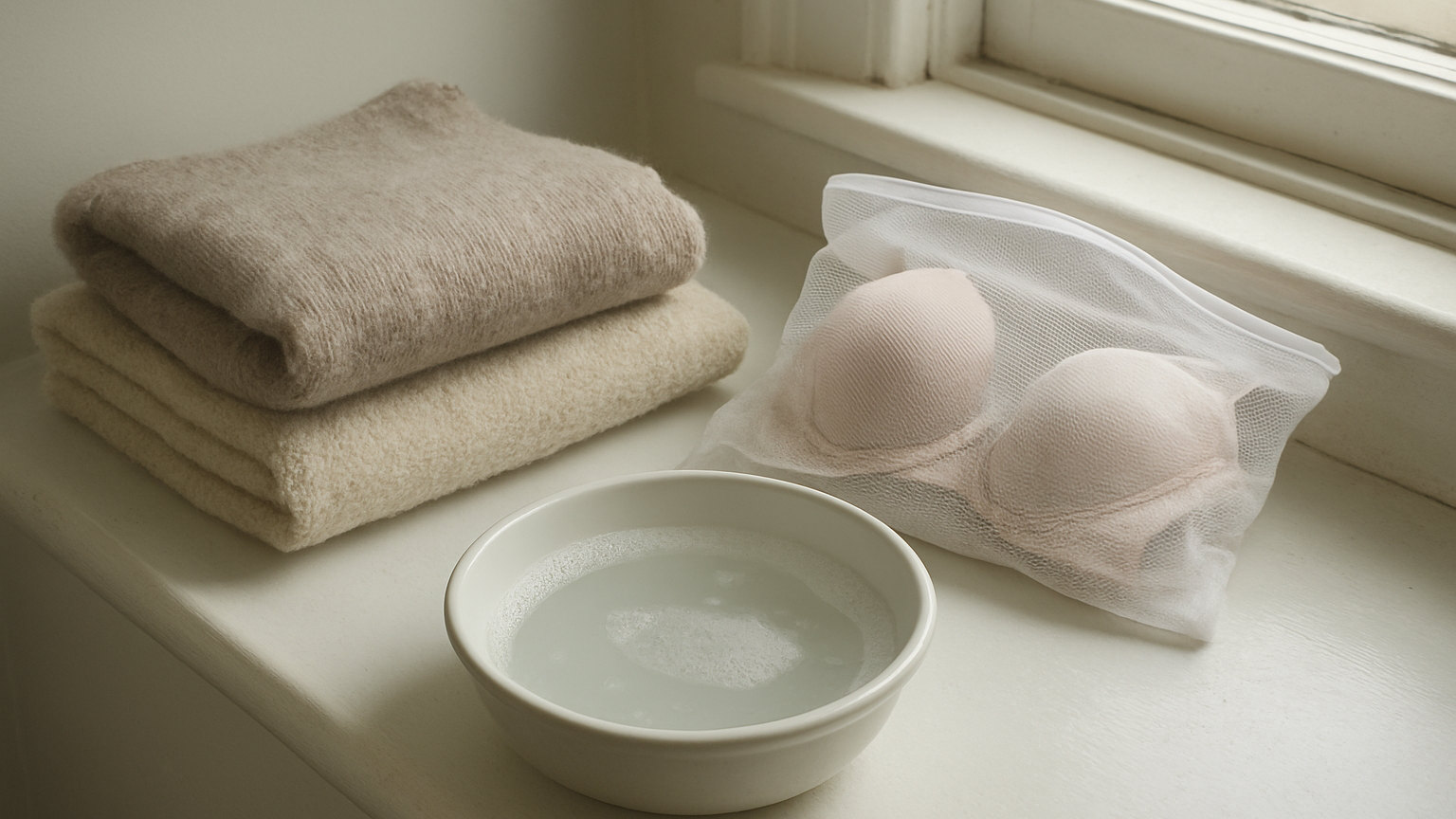
Delicate is not one category. Some items are fragile because of the fibre, some because of the construction, and the two need different handling.
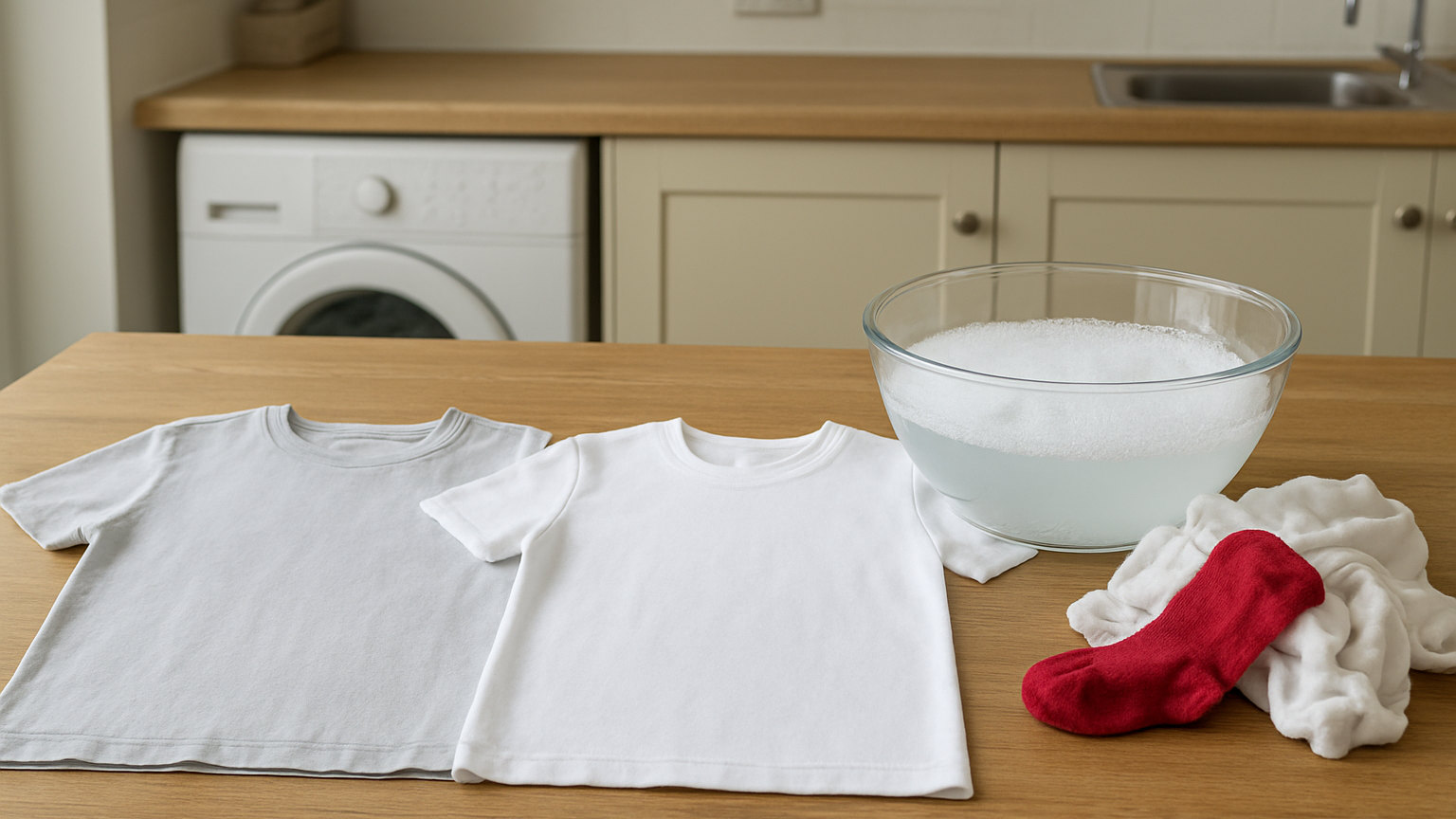
Whites are kept white by preventing the two things that dull them, and once cotton has greyed it takes considerably more work to recover.
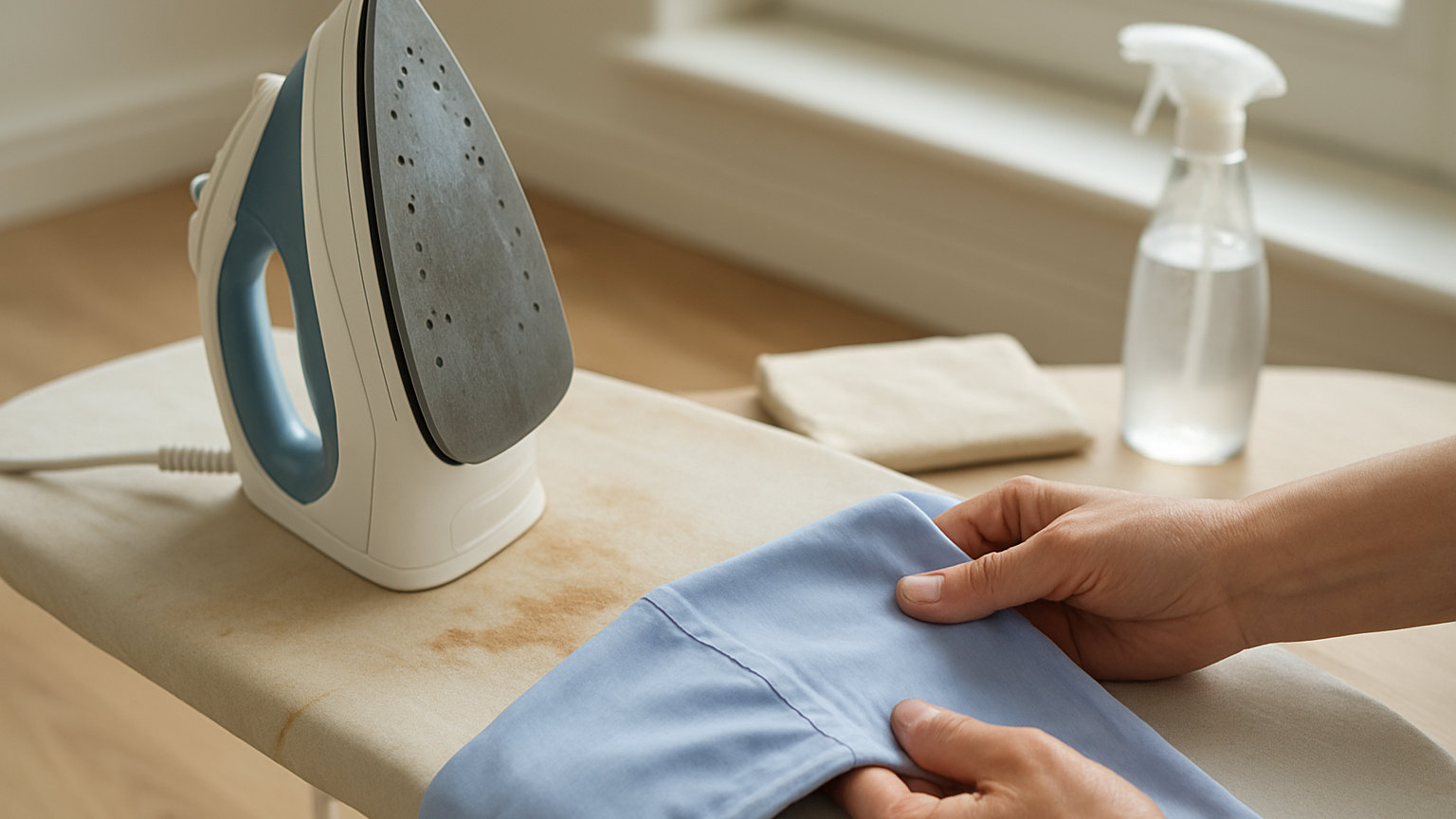
The dots on an iron correspond to the dots on a care label, and working from the coolest fabric upwards means the iron never has to cool down.
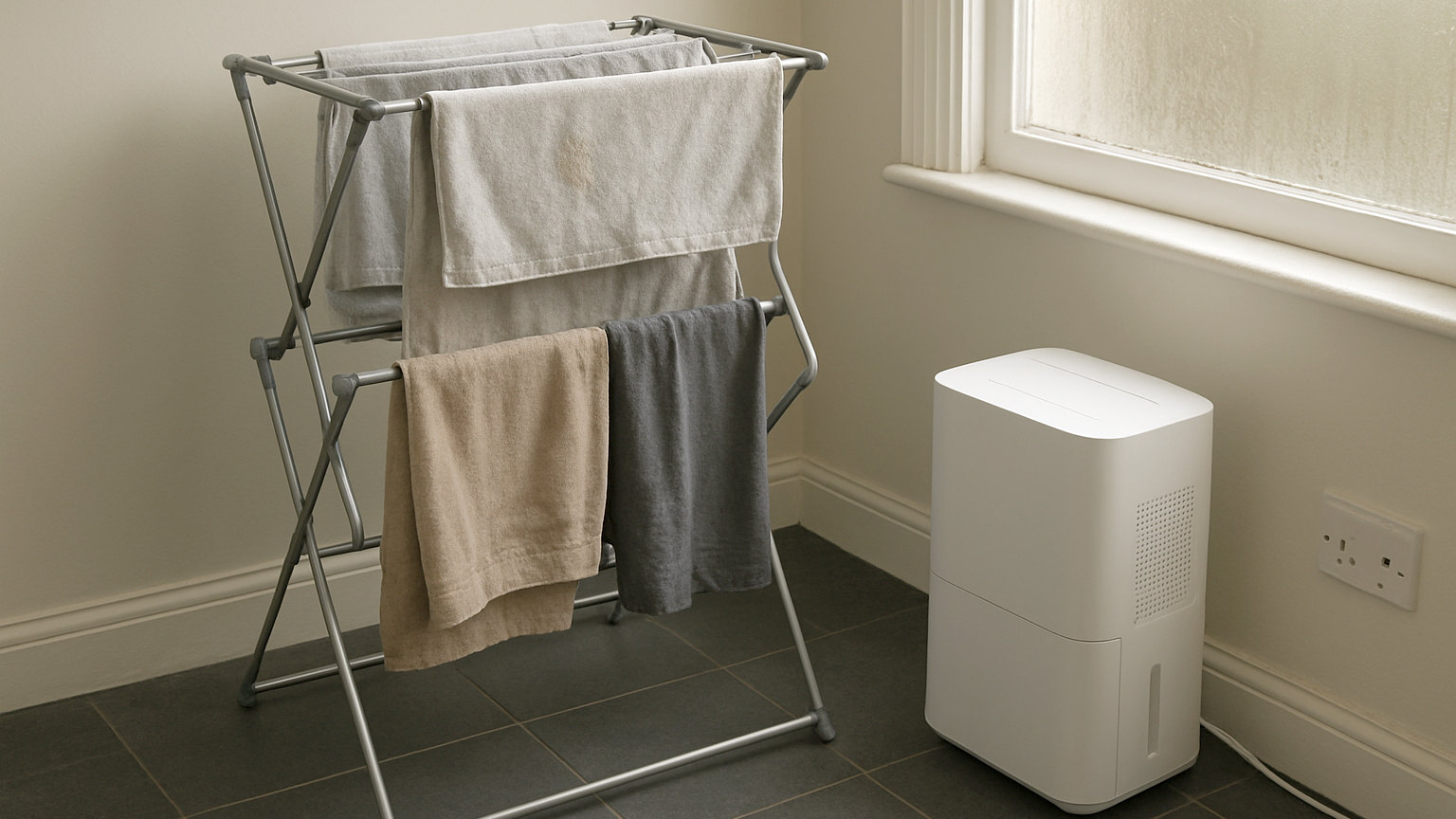
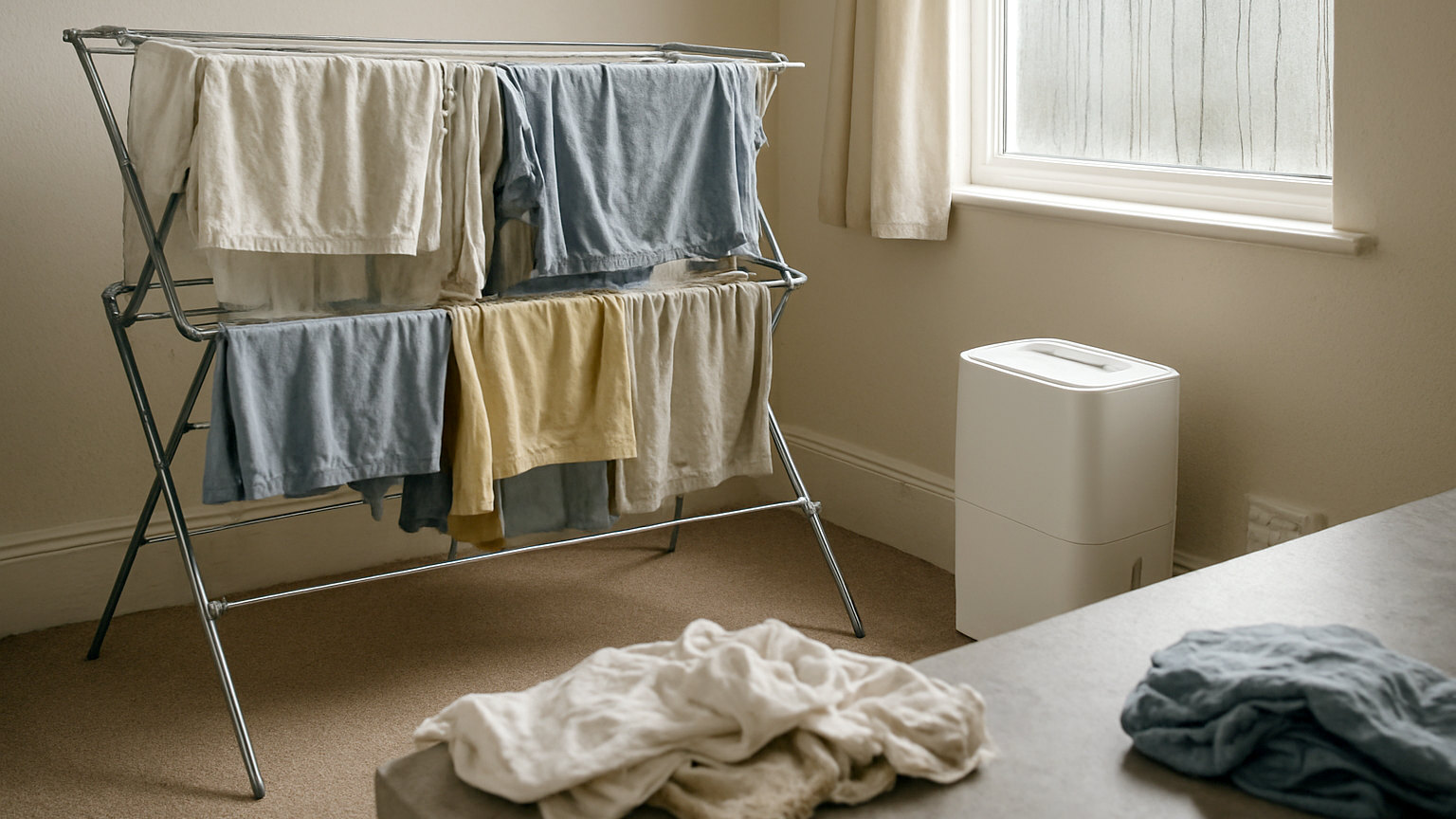
A single load of washing releases around two litres of water into a house, and where that water goes decides whether you get mould.