How Do You Clean Under and Behind a Bed?
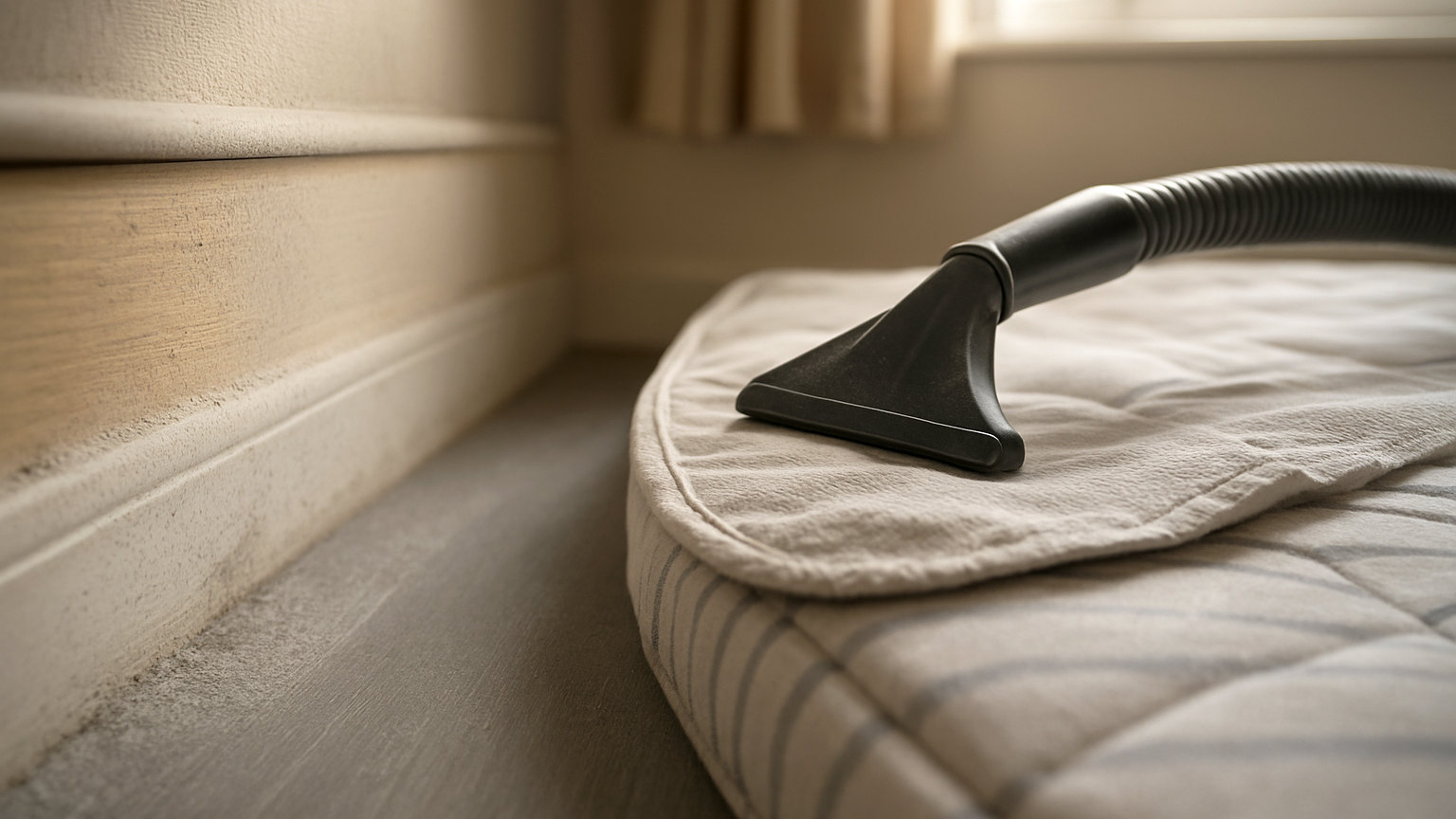
The space under a bed collects more dust than the rest of the room combined, and most vacuum heads are too tall to reach the middle of it.
By Cleaning Guides Team
10 Nov 2025

Cleaning a whole house at once is how people end up doing it badly and resenting it. These guides work room by room, in the order that wastes the least effort - top down, dry before wet, and leaving the floor until last. Each one sets out what actually needs doing weekly, what can wait a month, and what most people do far more often than they need to.
The space under a bed collects more dust than the rest of the room combined, and most vacuum heads are too tall to reach the middle of it.
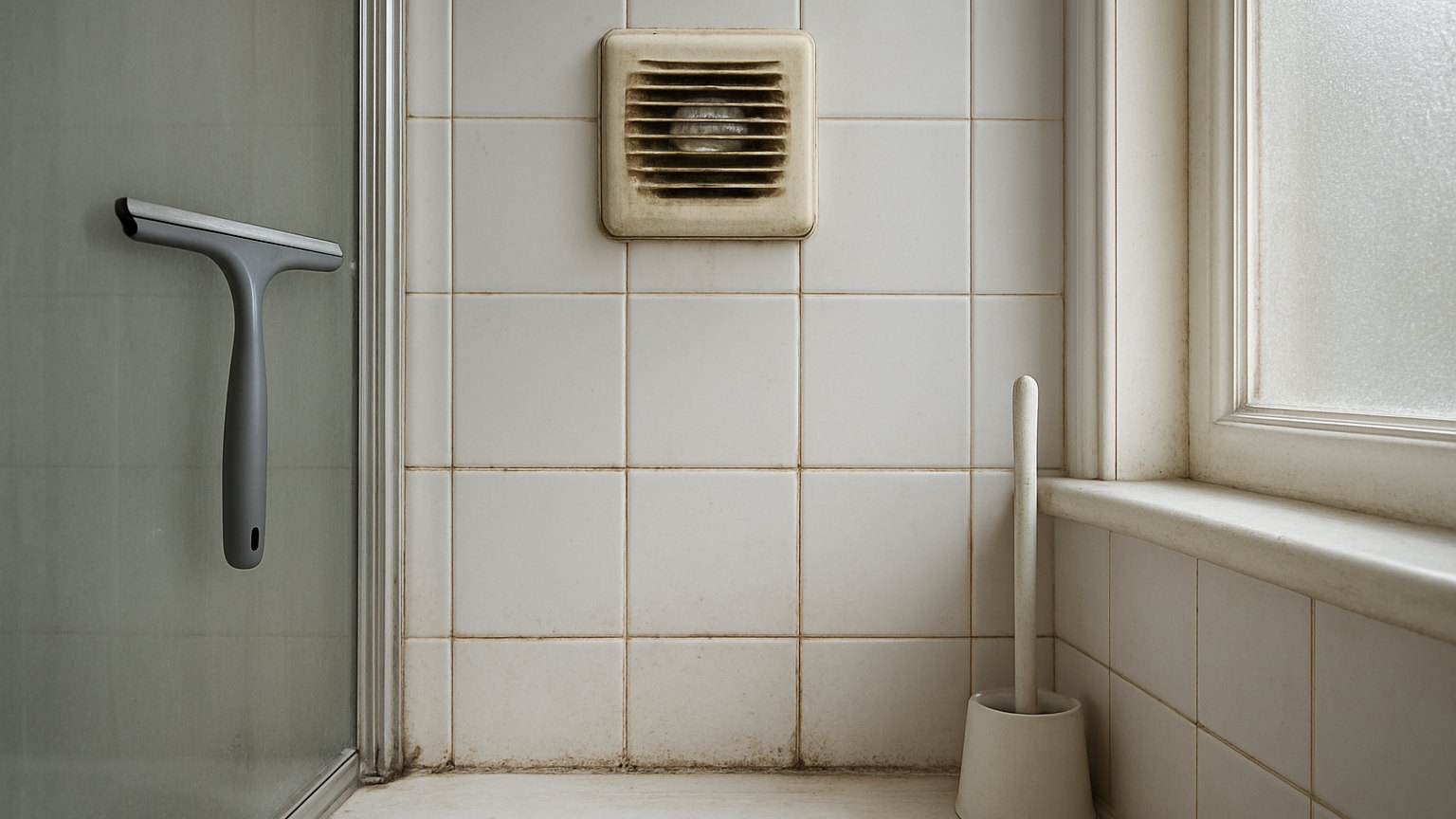
A bathroom fan clogged with dust moves a fraction of the air it should, which is why mould appears in rooms that supposedly have ventilation.
Cleaning inside kitchen cupboards is a job best done one unit at a time. Doing them all at once creates a mountain of tins and a job you abandon halfway.
Hard water marks are mineral deposits that need acid, and after long enough they stop being deposits and become etching in the glass itself.
Most of the dirt in a carpet sits below the surface, and a single fast pass removes only a fraction of what slow overlapping passes will.
A radiator packed with dust heats a room less efficiently and throws that dust up the wall every time the heating comes on.
A living room generates its own dust from carpet, upholstery and the people sitting in it, which is why it returns within days of being cleaned.
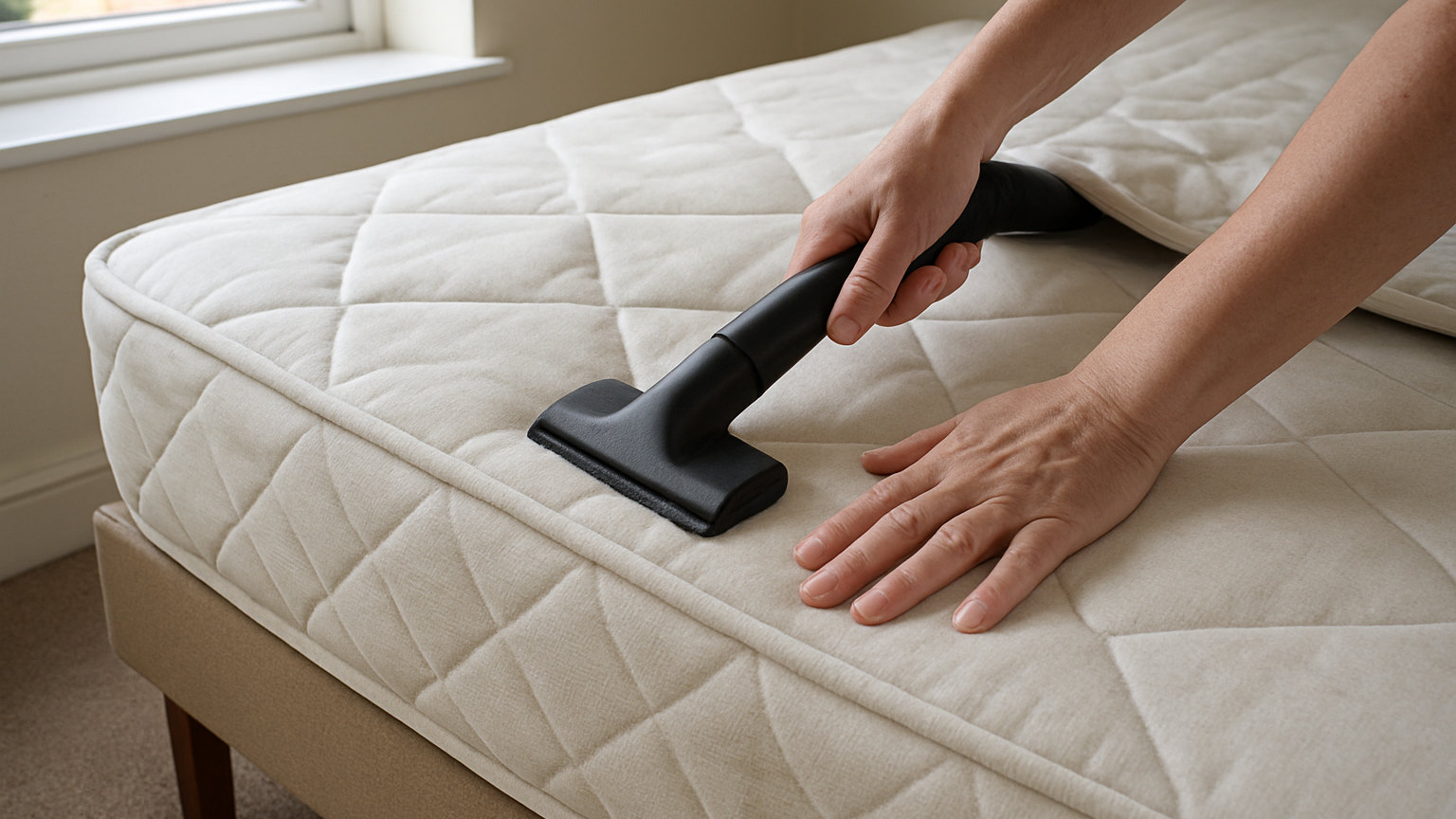
Bedroom dust is mostly skin and textile fibre generated in the room itself, which is why it returns faster there than anywhere else in the house.
The bottom track of a sliding shower door collects scum, scale and standing water, and it is the part of the enclosure most often ignored entirely.
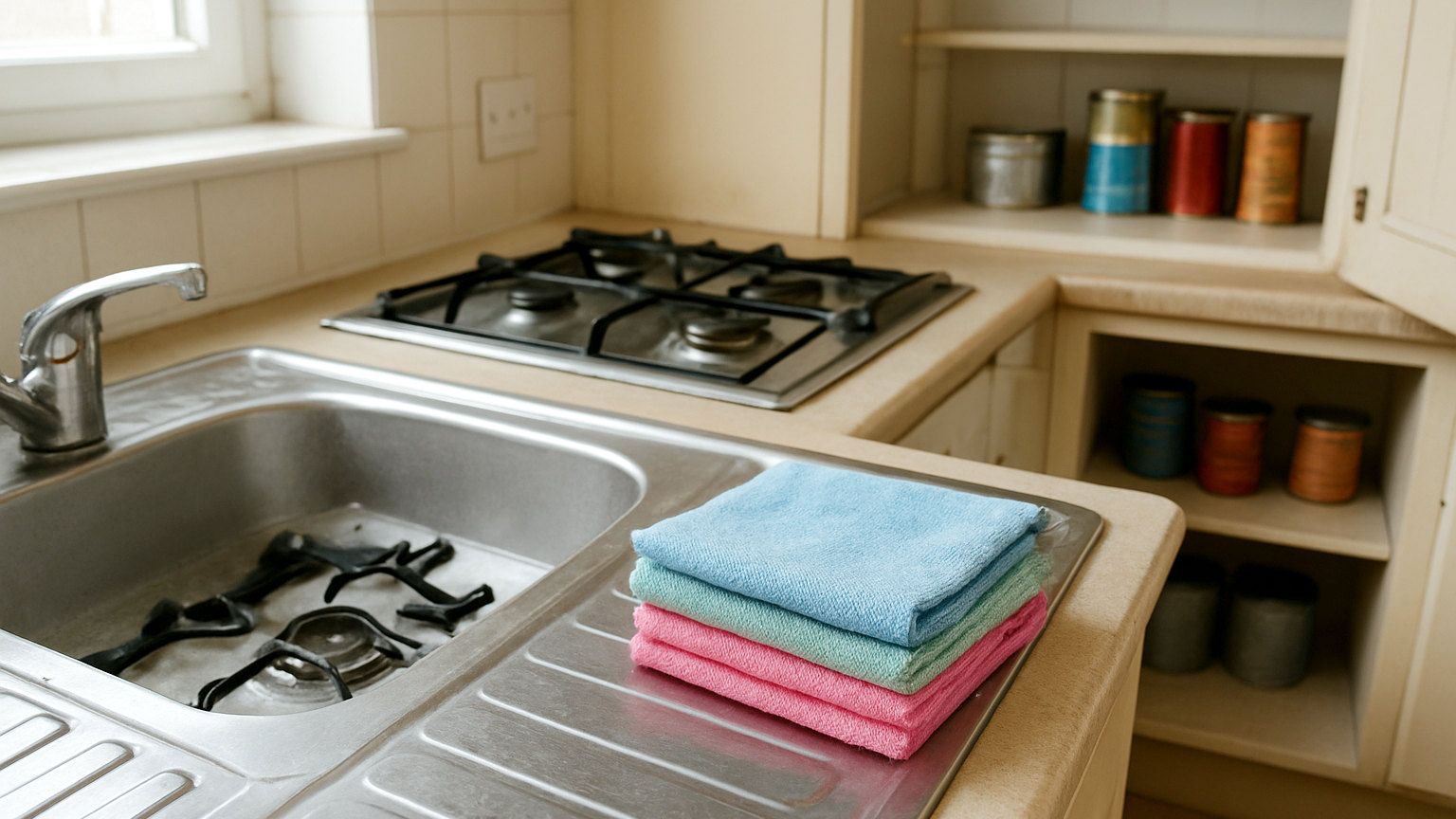
A used dishcloth holds more bacteria than almost anything else in the house. Here is how many cloths a kitchen needs, and how often each should be washed.
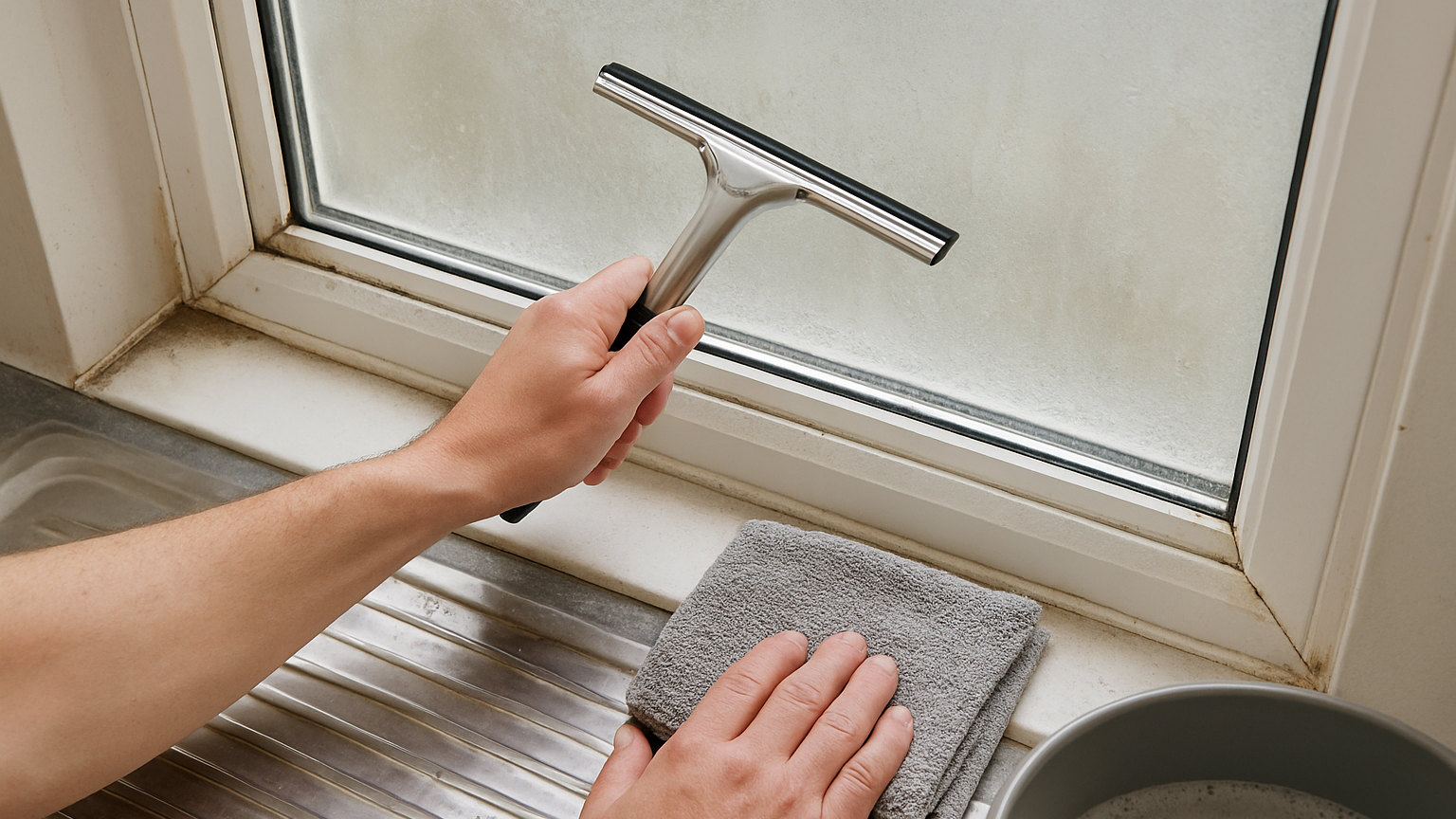
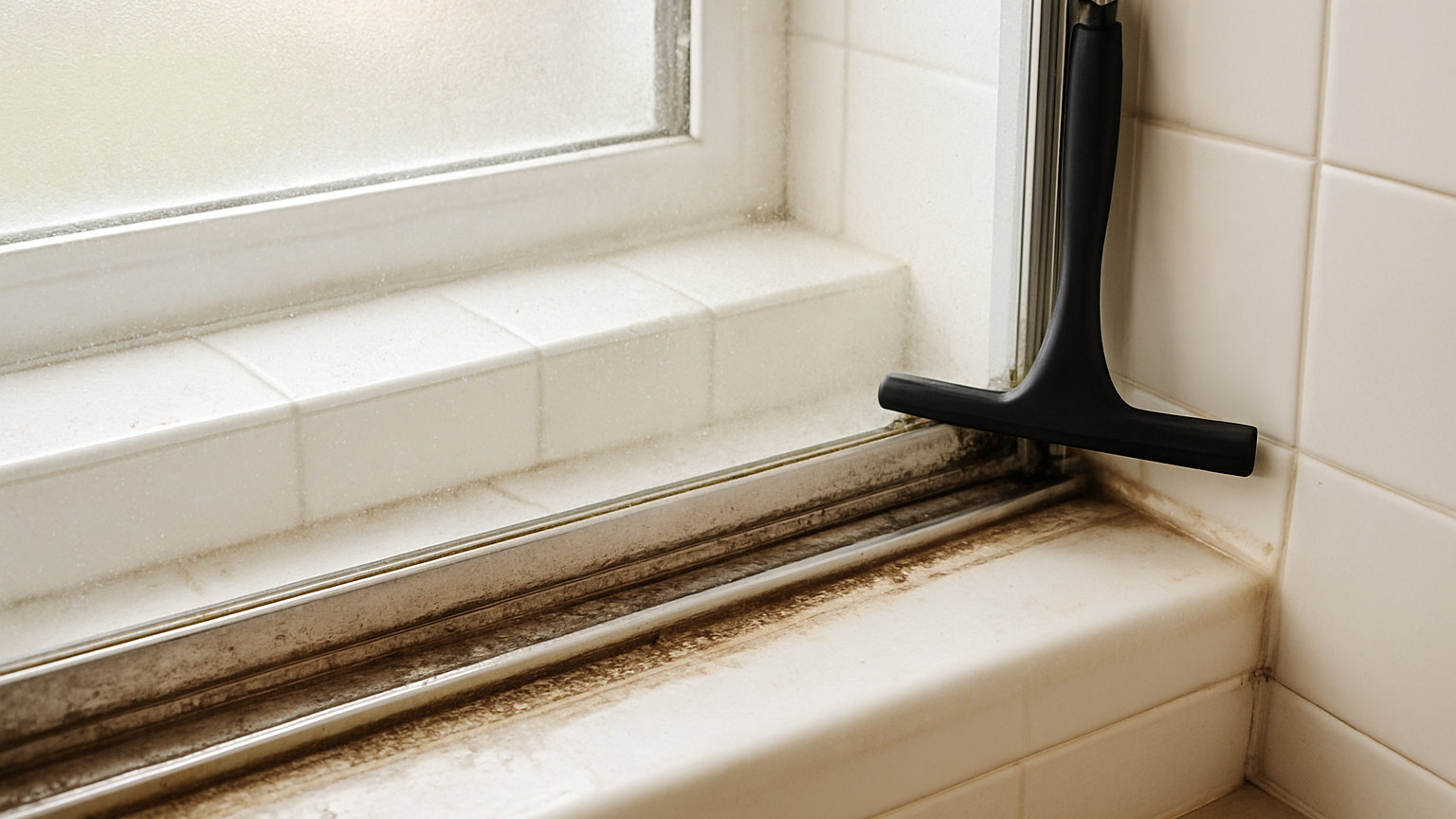
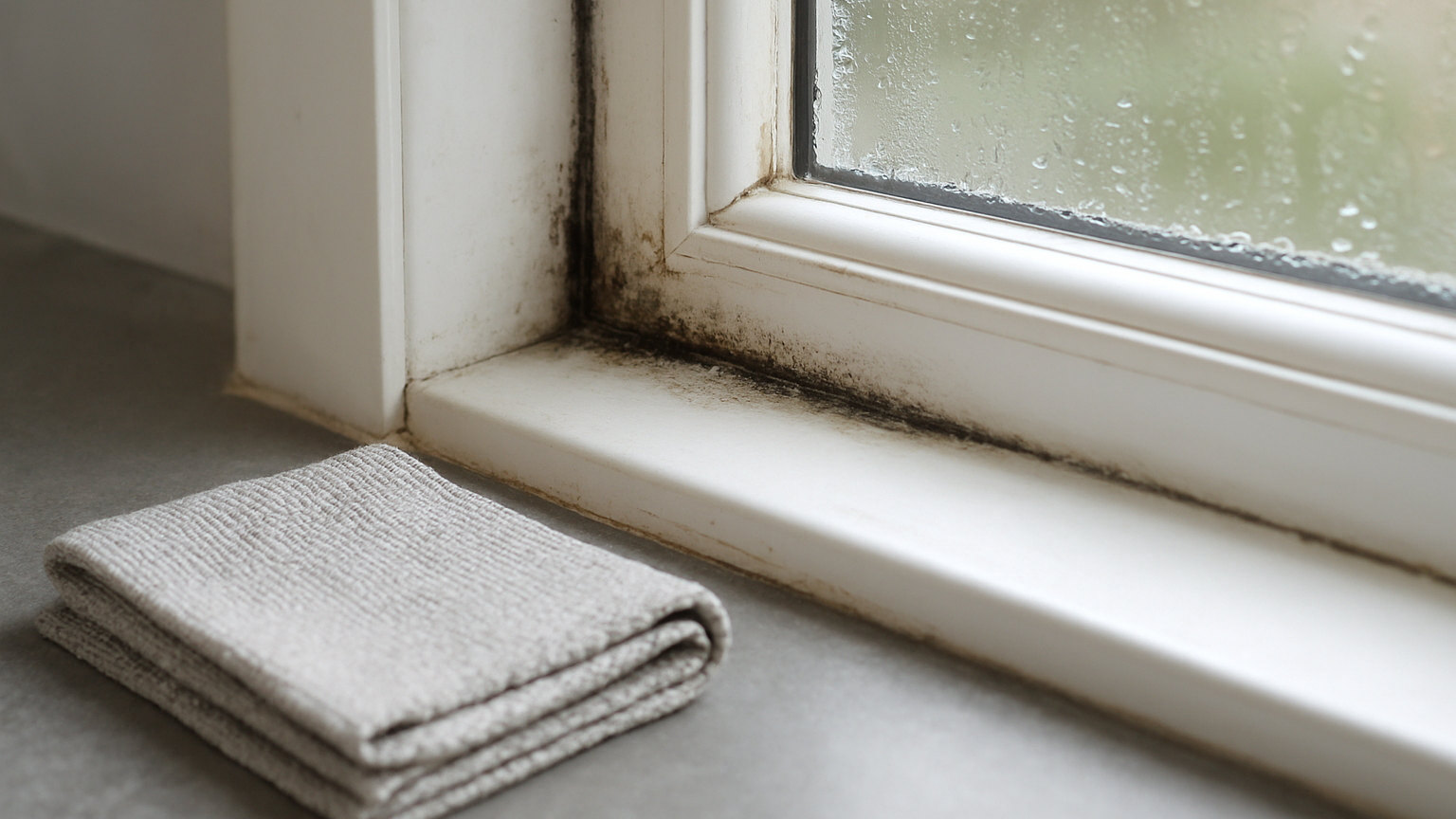
Mould on a window seal cleans off easily and comes back within weeks unless the condensation feeding it is dealt with.
Acid etches stone on contact, which rules out most household cleaners and all the usual limescale remedies on marble, limestone and travertine.