How Do You Clean a Slow Cooker?
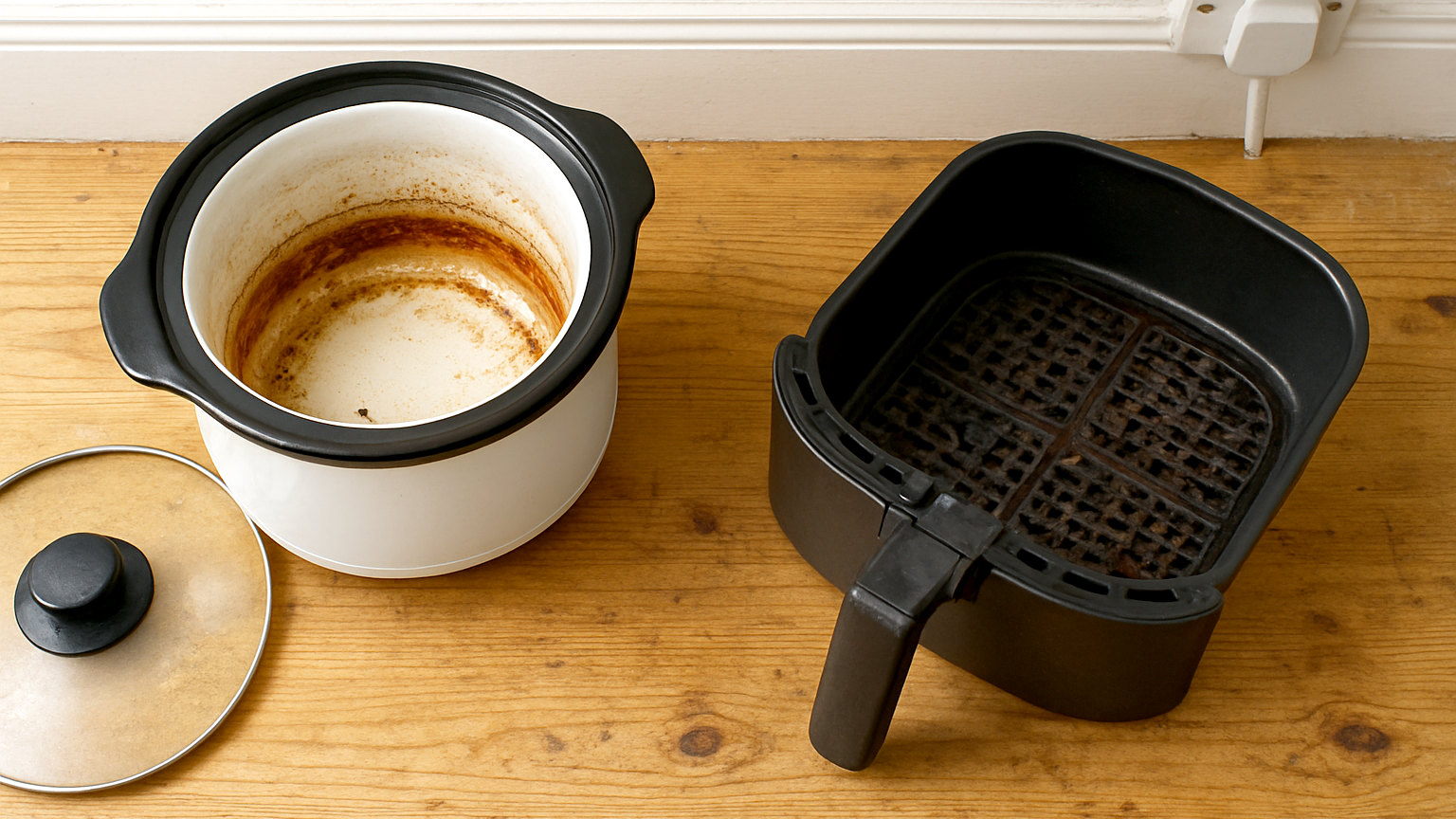
The ceramic pot cleans easily and the ring of baked residue above the food line is where the effort goes, and soaking does most of it.
By Cleaning Guides Team
12 Jul 2025

Appliances mostly fail for want of cleaning rather than for want of repair, and worktops are ruined more often by the wrong cleaner than by wear. These guides cover the machines that need descaling or a maintenance wash, the ones that quietly stop working properly when a filter is blocked, and which cleaners are safe on which surface - because the answer for granite, laminate, wood and stainless steel are four different things.
The ceramic pot cleans easily and the ring of baked residue above the food line is where the effort goes, and soaking does most of it.
Six causes account for nearly all of it, and five of them are free to fix before anything needs replacing.
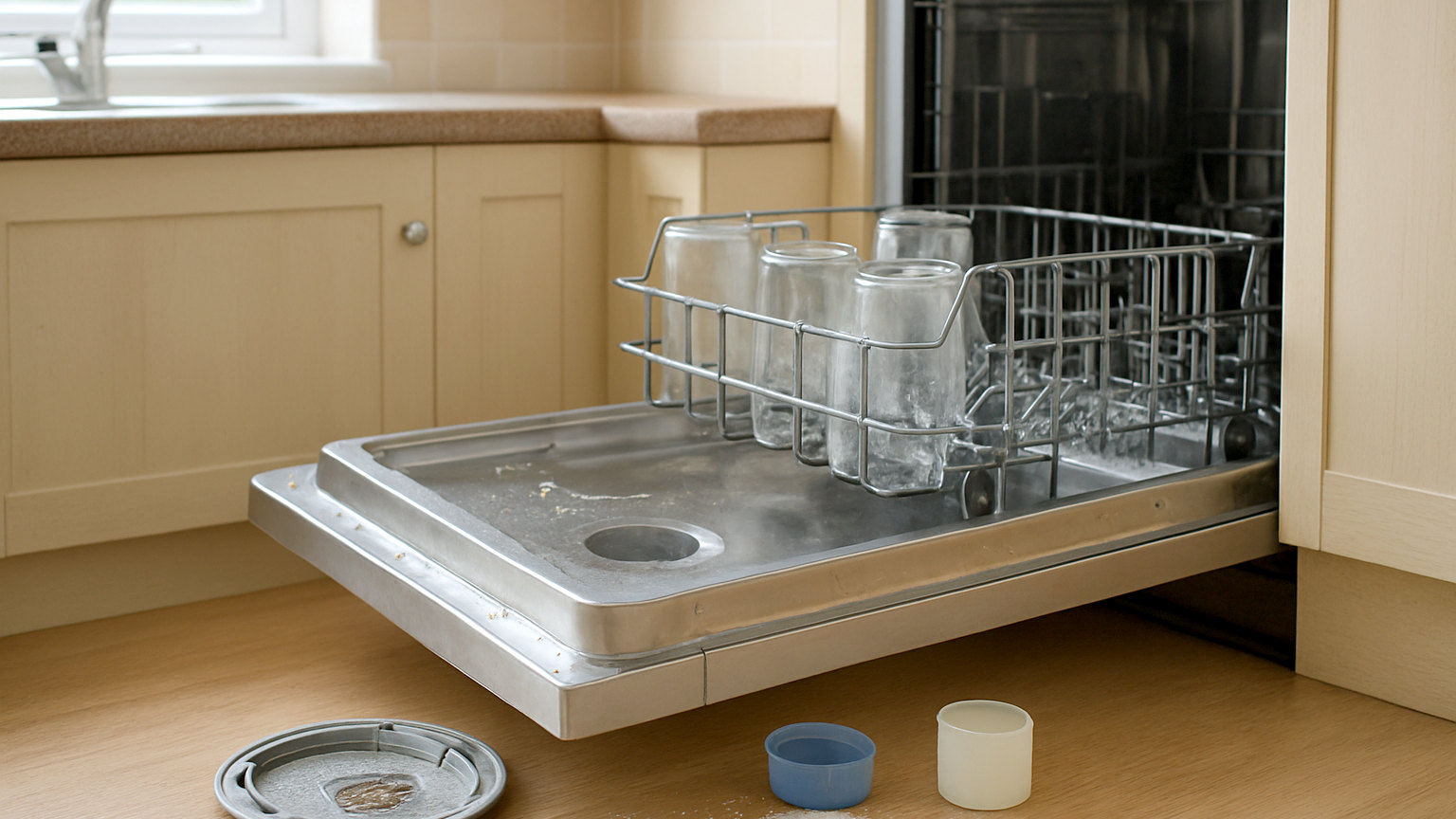
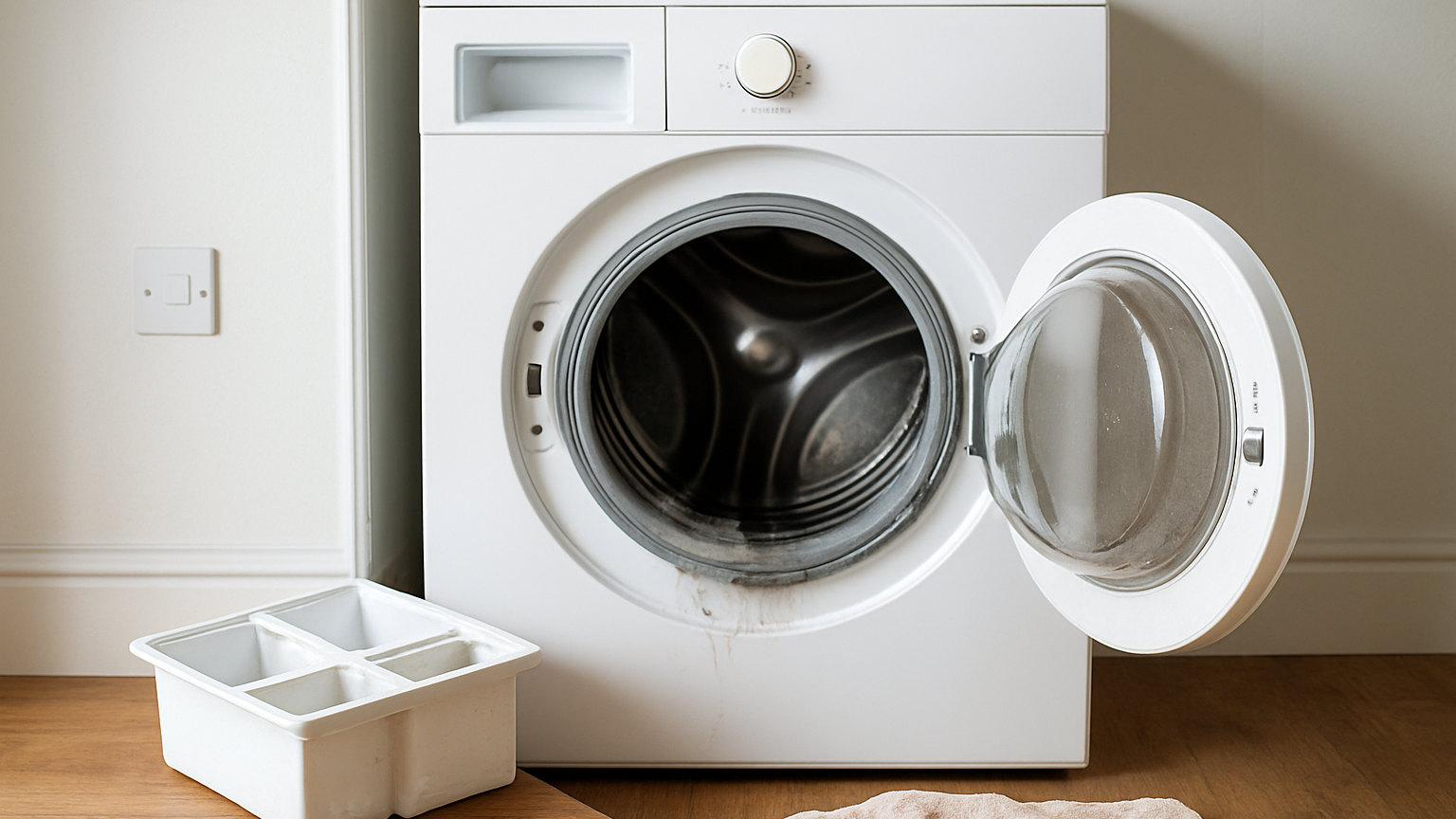
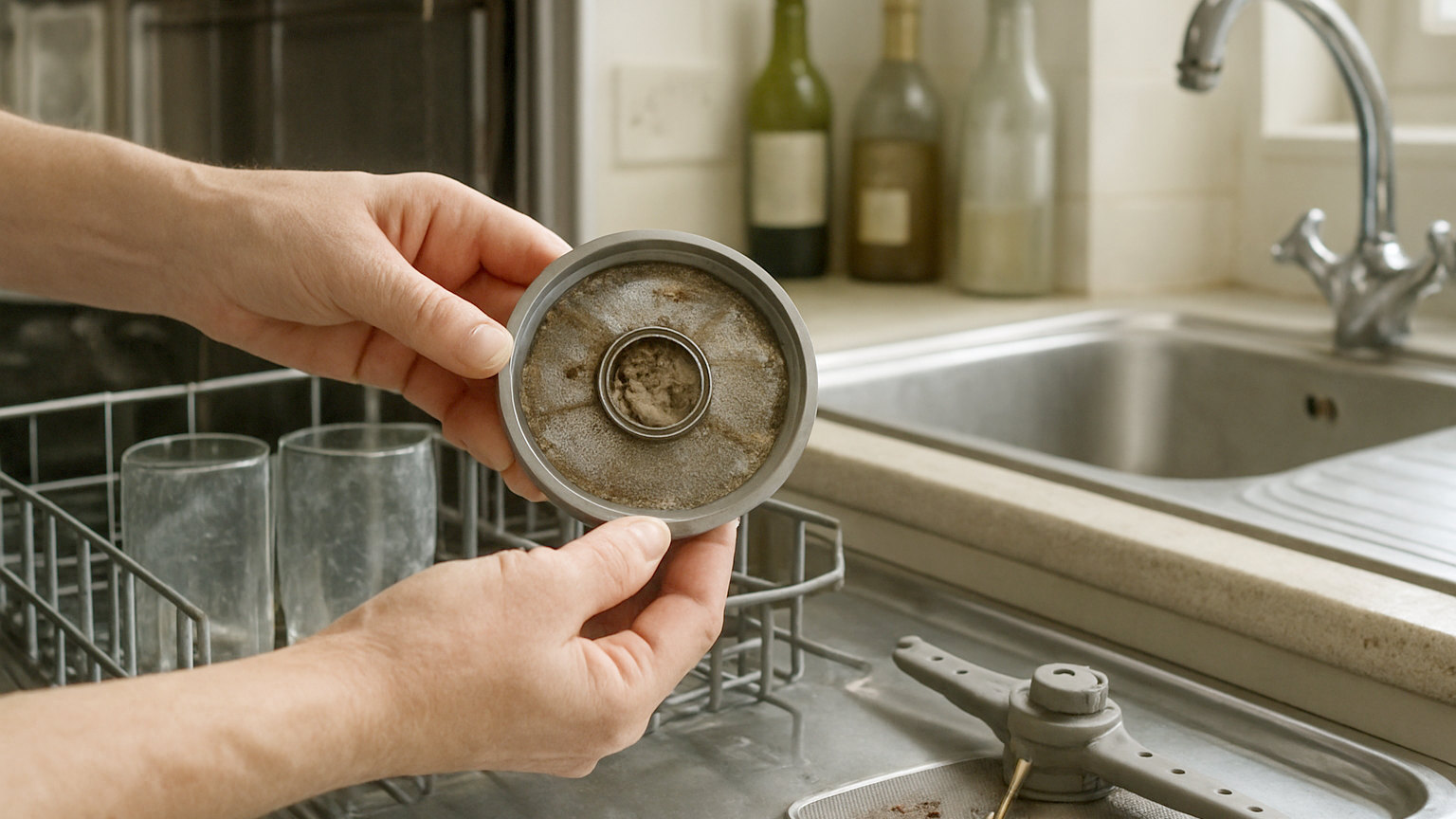
A large dose of ordinary powder detergent on a hot empty cycle does most of what a branded cleaner does, for a great deal less.
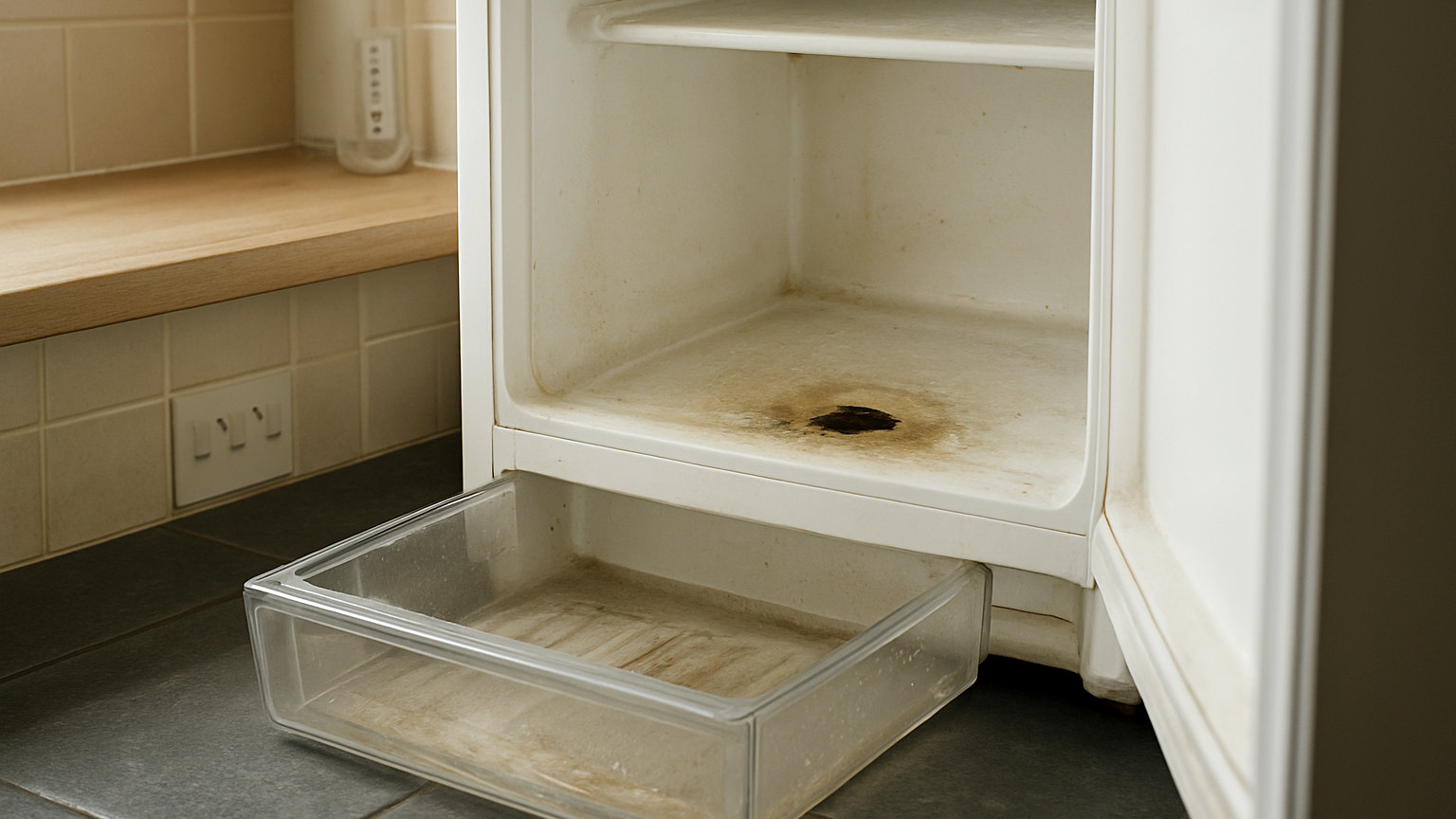
Almost always a blocked drain hole, which is a two minute fix with a cotton bud and one of the most common fridge faults there is.
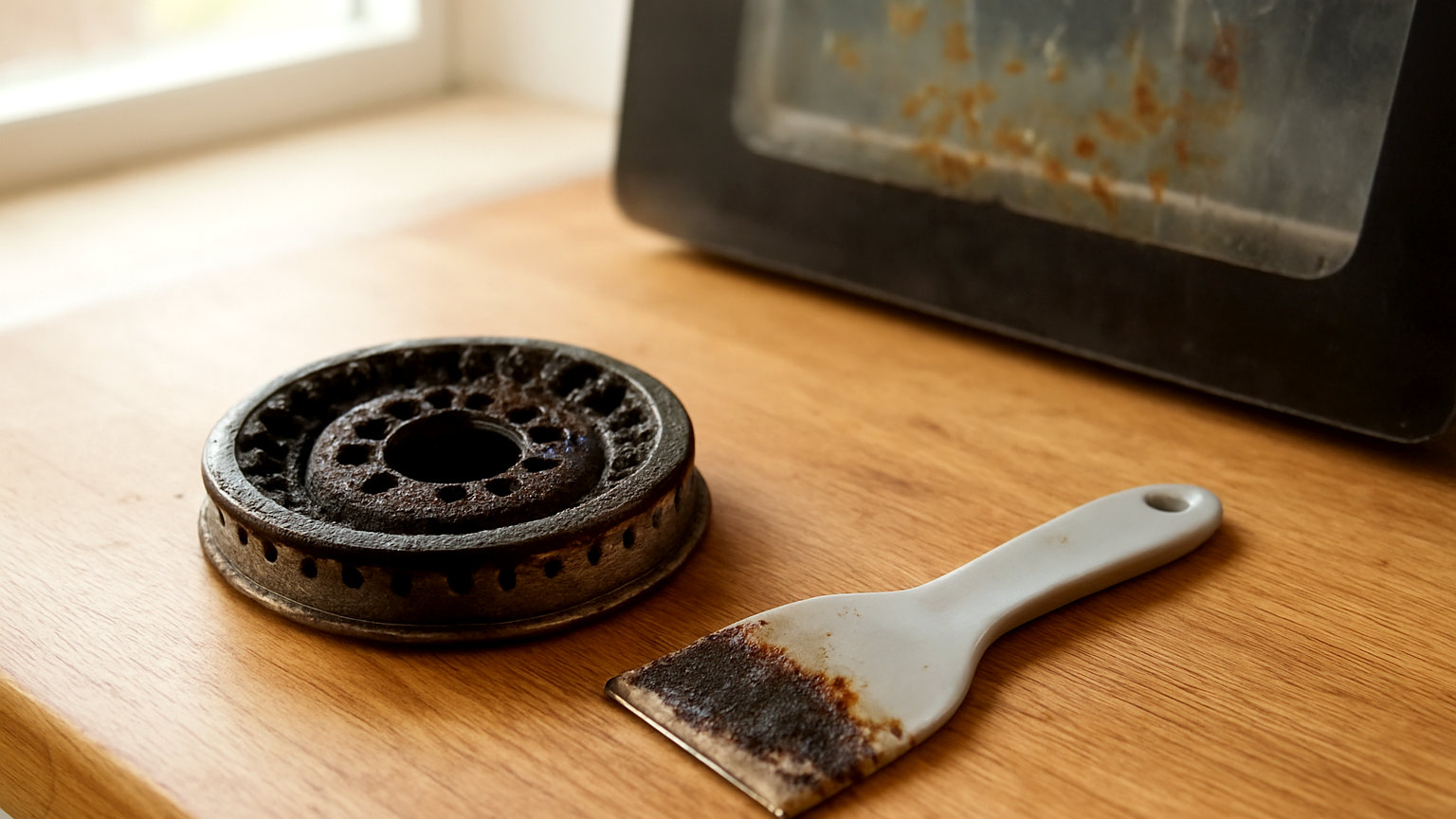
The parts that need most attention are the burner crowns, where blocked ports change the flame from blue to yellow and the cooking with it.
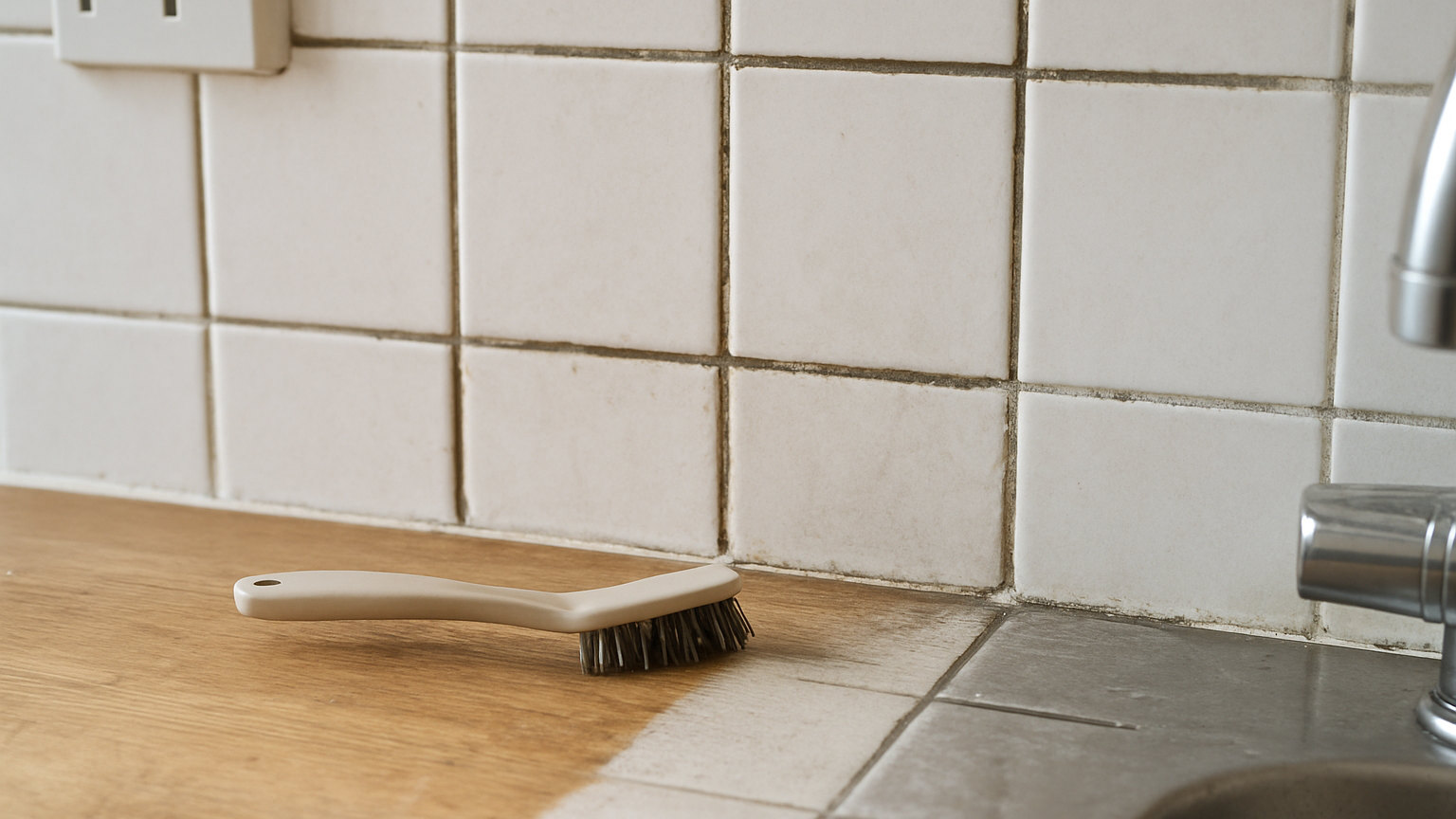
Cracked or missing grout is letting water behind the tiles, which makes it a repair with a deadline rather than a cosmetic decision.
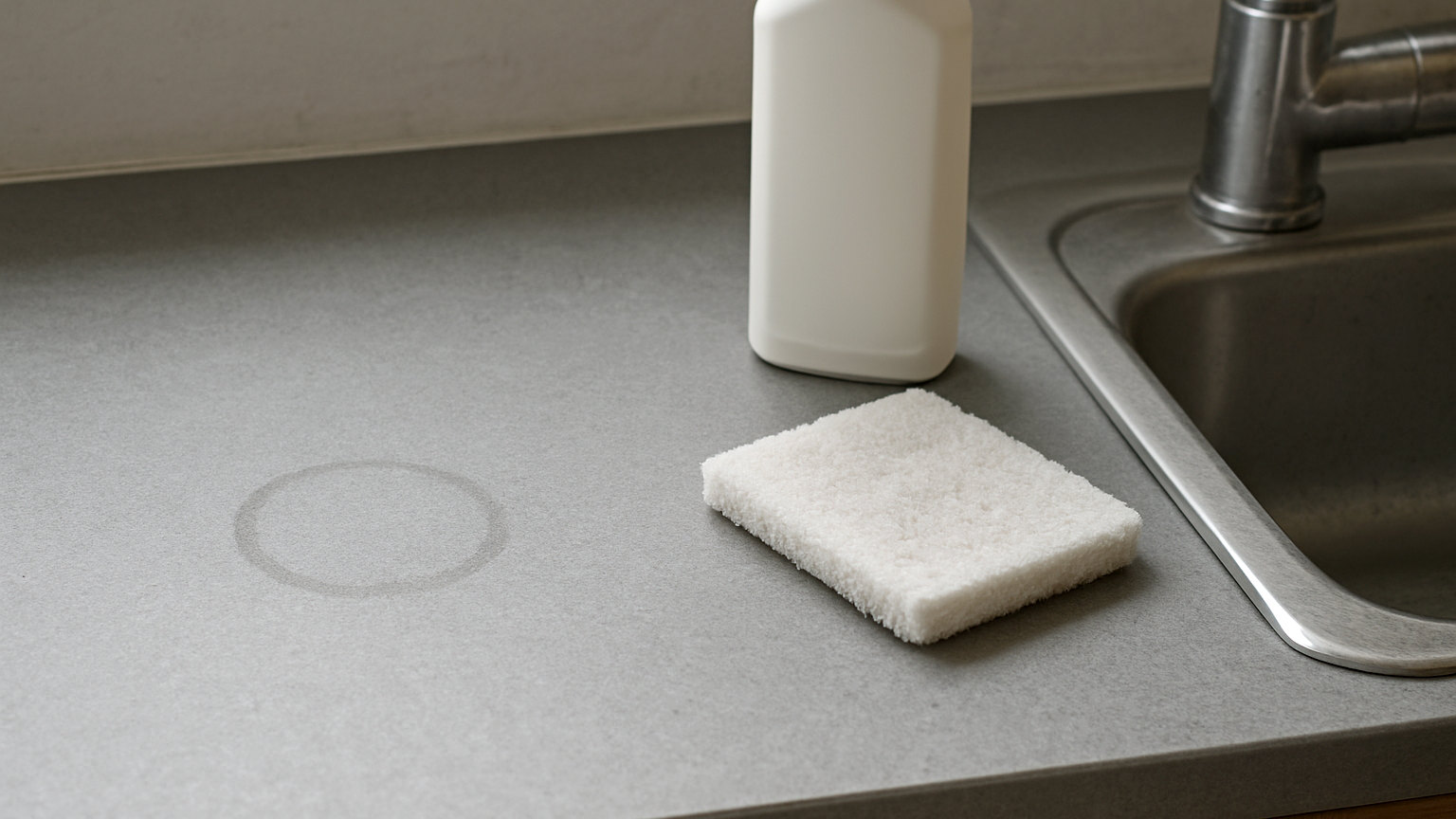
Laminate is easy to clean and vulnerable in one specific place, and once water gets into a joint or an edge the damage cannot be undone.
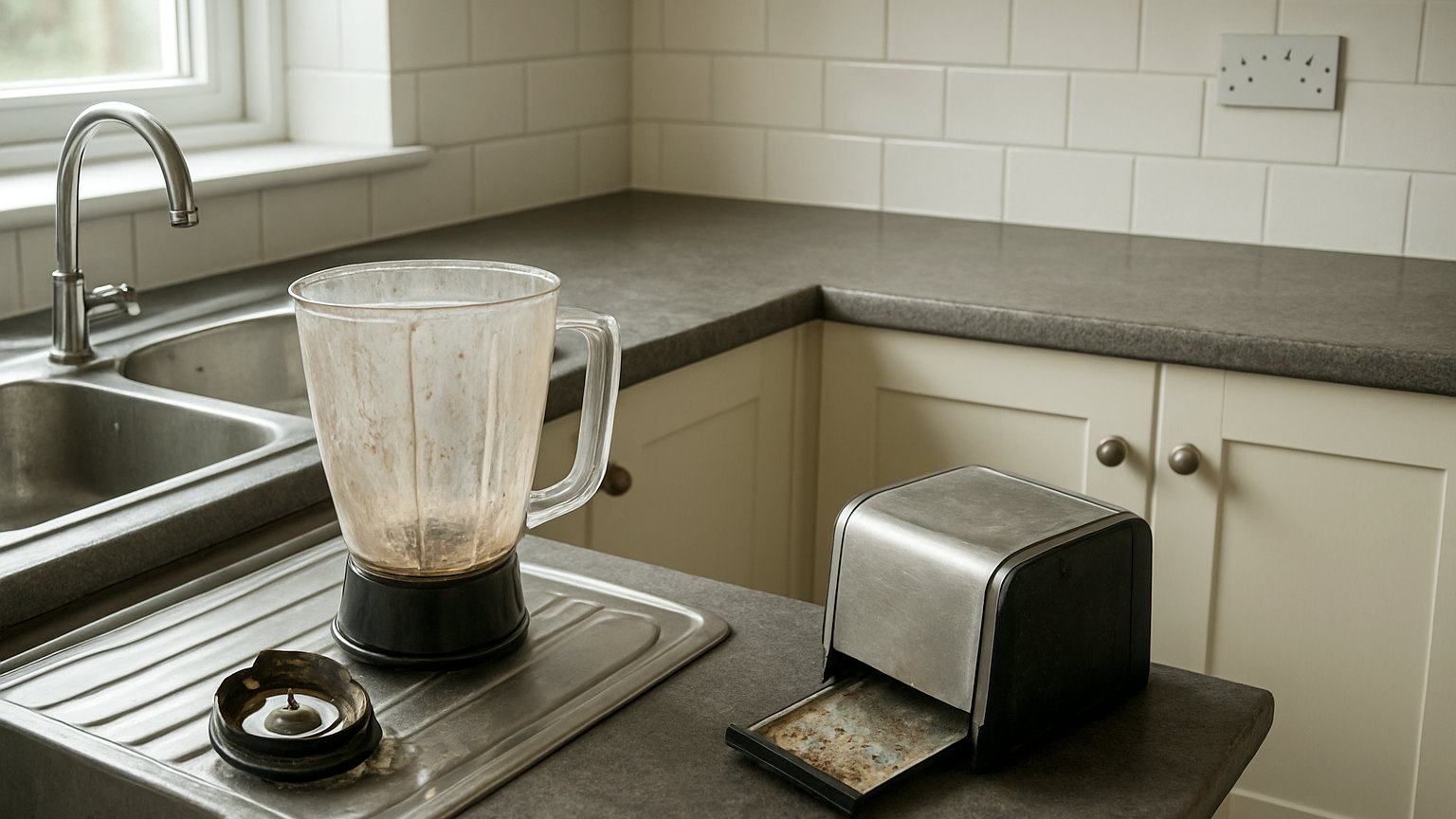
The self cleaning trick works well and it does not reach the blade seal, which is where the smell in a neglected blender comes from.
Everything dirty has to face the spray arms, and almost every complaint about dishes not coming out clean traces back to that one principle.
Limescale builds on the heating element rather than where you can see it, which is why a machine can be scaled without looking it.
Glass shelves crack from thermal shock and plastic drawers warp in a dishwasher, which makes this the part of fridge cleaning that goes wrong.
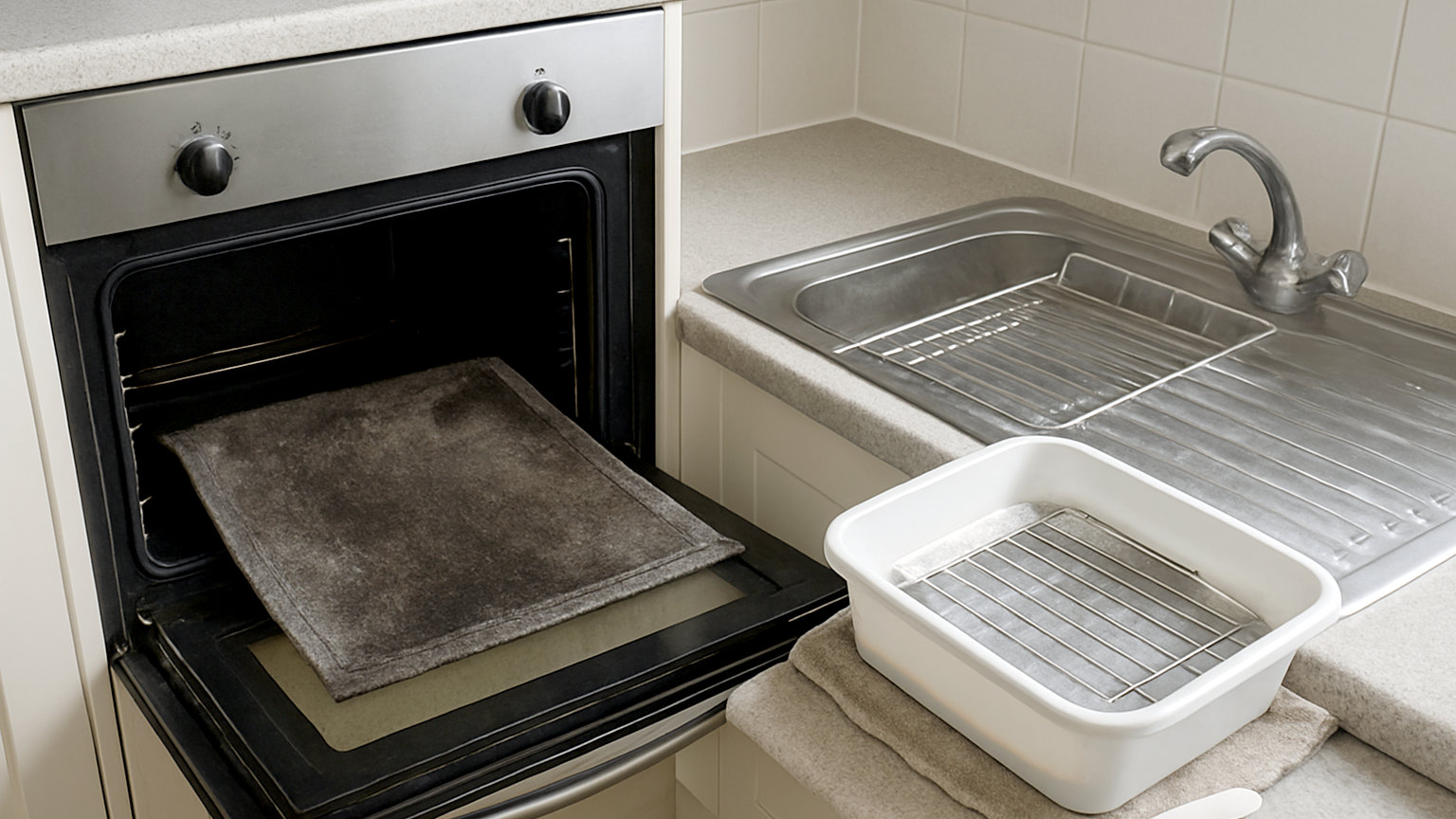
Catalytic liners clean themselves during normal cooking, and any attempt to clean them with a product destroys the coating permanently.