How Do You Clean Sink Sealant and Edges?
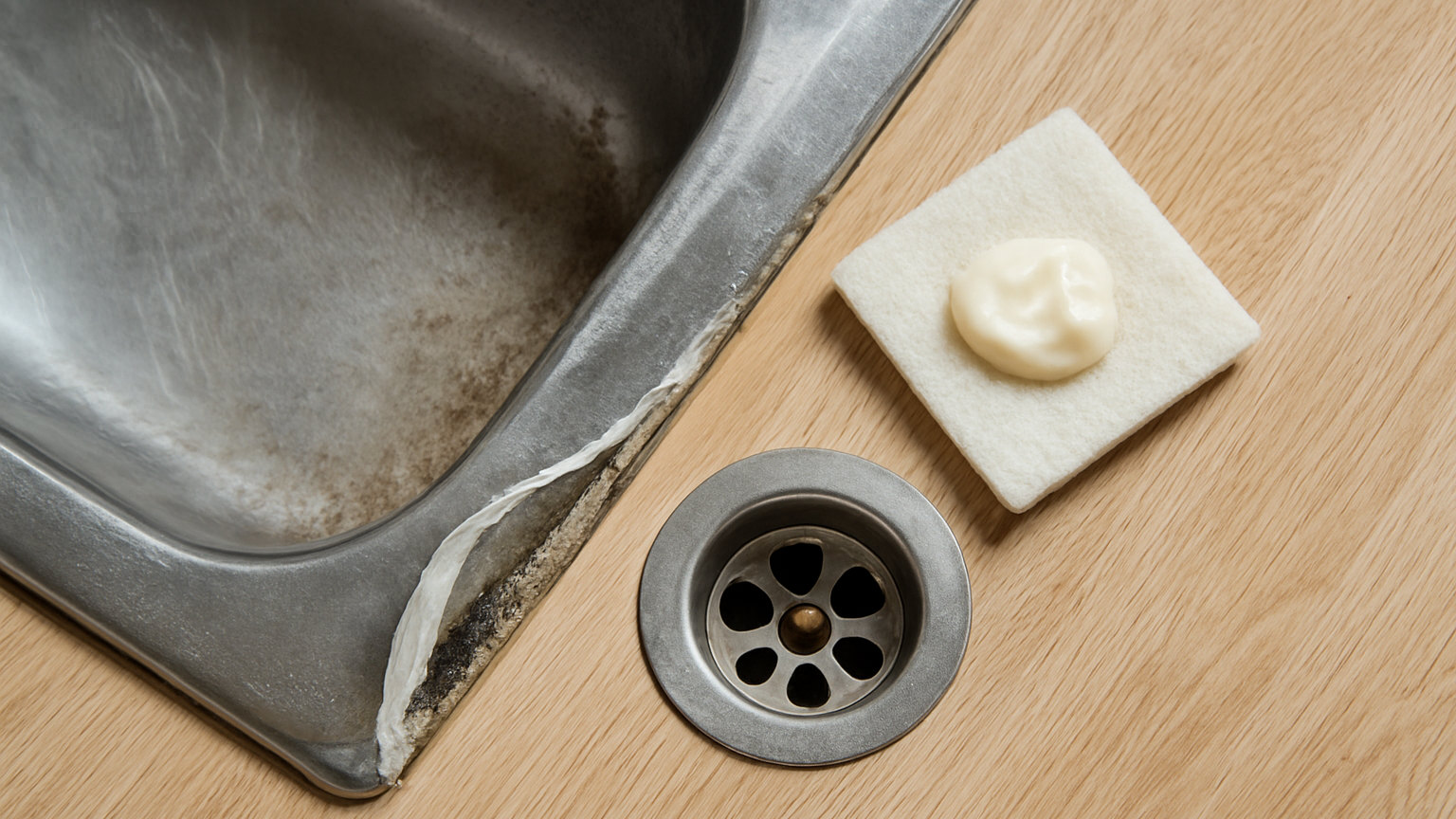
The silicone line around a kitchen sink is doing a structural job, and mould in it is a warning about water rather than a cosmetic problem.
By Cleaning Guides Team
10 Mar 2026

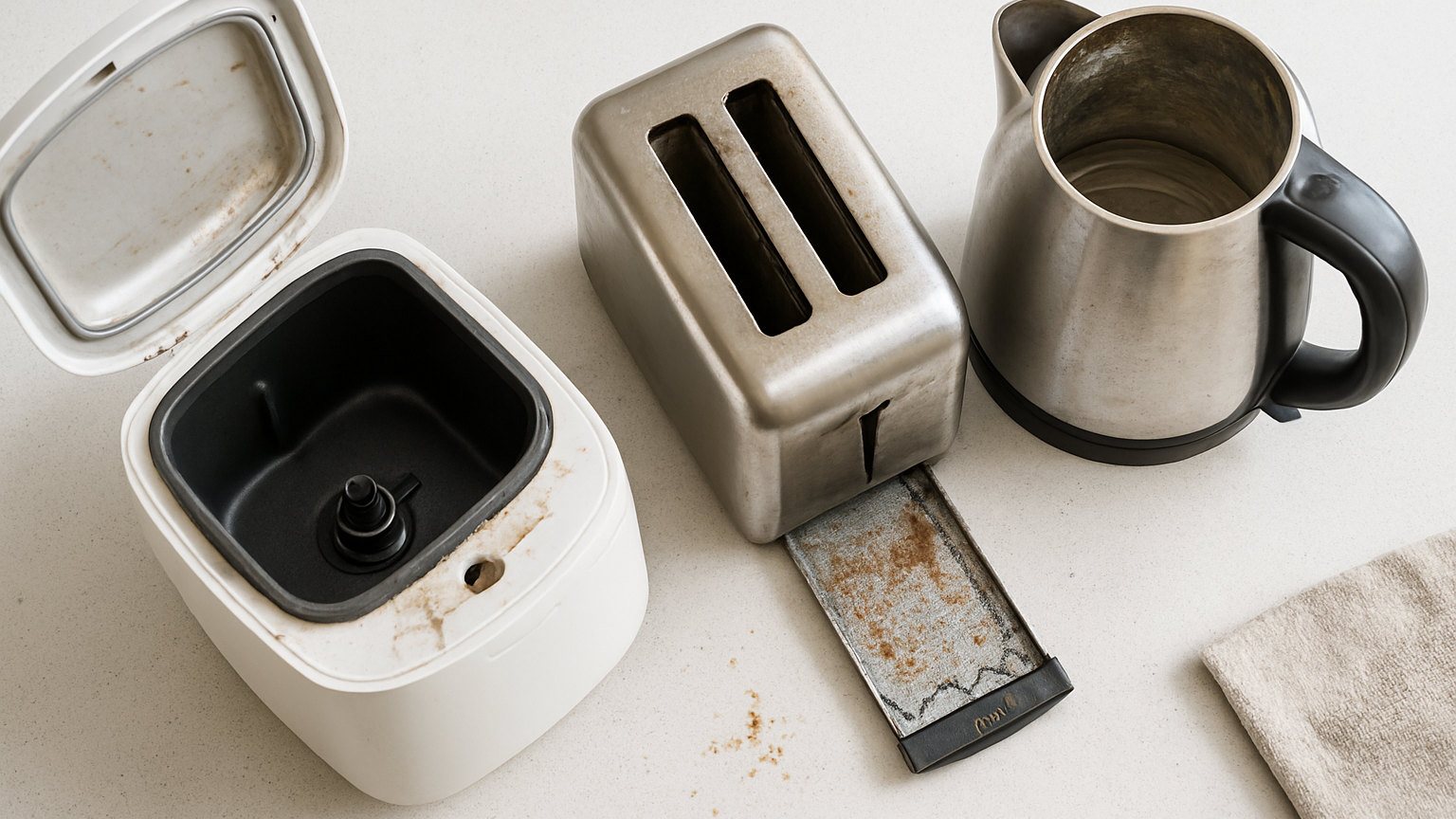
Appliances mostly fail for want of cleaning rather than for want of repair, and worktops are ruined more often by the wrong cleaner than by wear. These guides cover the machines that need descaling or a maintenance wash, the ones that quietly stop working properly when a filter is blocked, and which cleaners are safe on which surface - because the answer for granite, laminate, wood and stainless steel are four different things.
The silicone line around a kitchen sink is doing a structural job, and mould in it is a warning about water rather than a cosmetic problem.
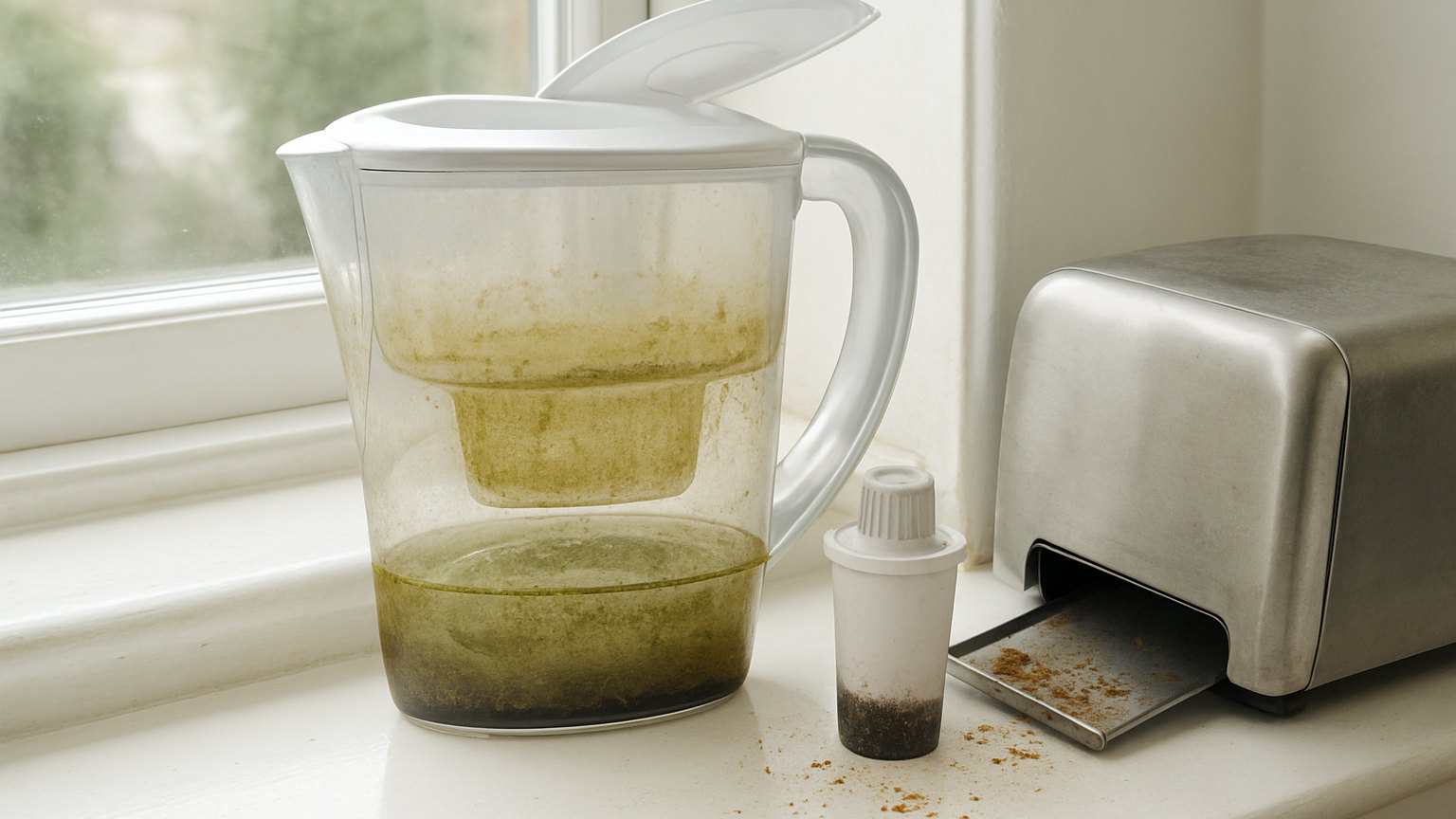
A jug left standing with water in it grows a biofilm in the reservoir, and the filter itself does nothing about that.
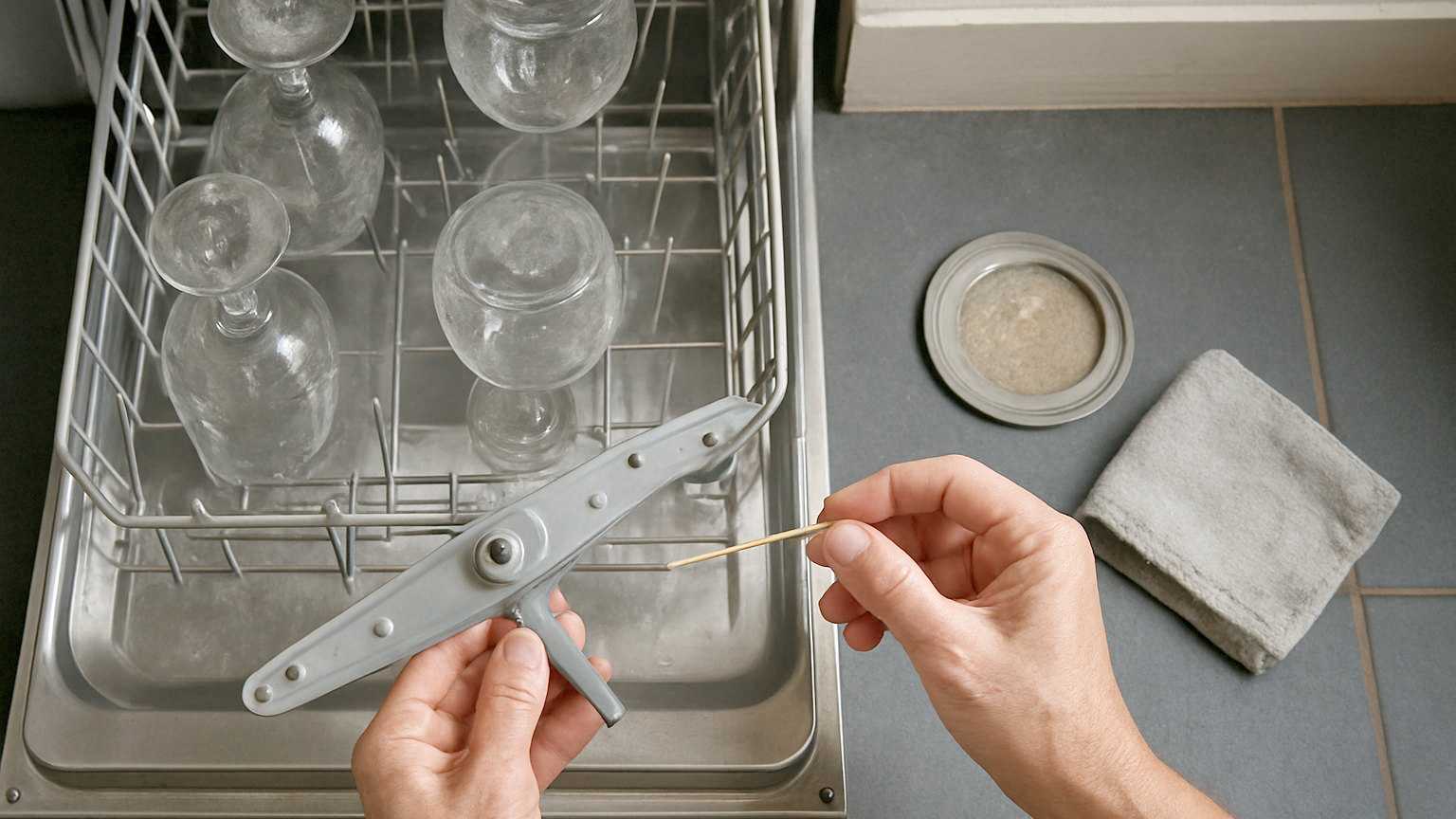
Limescale builds on the heating element and inside the spray arms, and in a hard water area a machine that is never descaled fails early.
Most households use roughly twice what they need, and the excess causes the residue, the smells and the skin irritation people blame on other things.
A water dispenser has a filter that needs changing and a drip tray that grows mould, and both are usually forgotten until something tastes wrong.
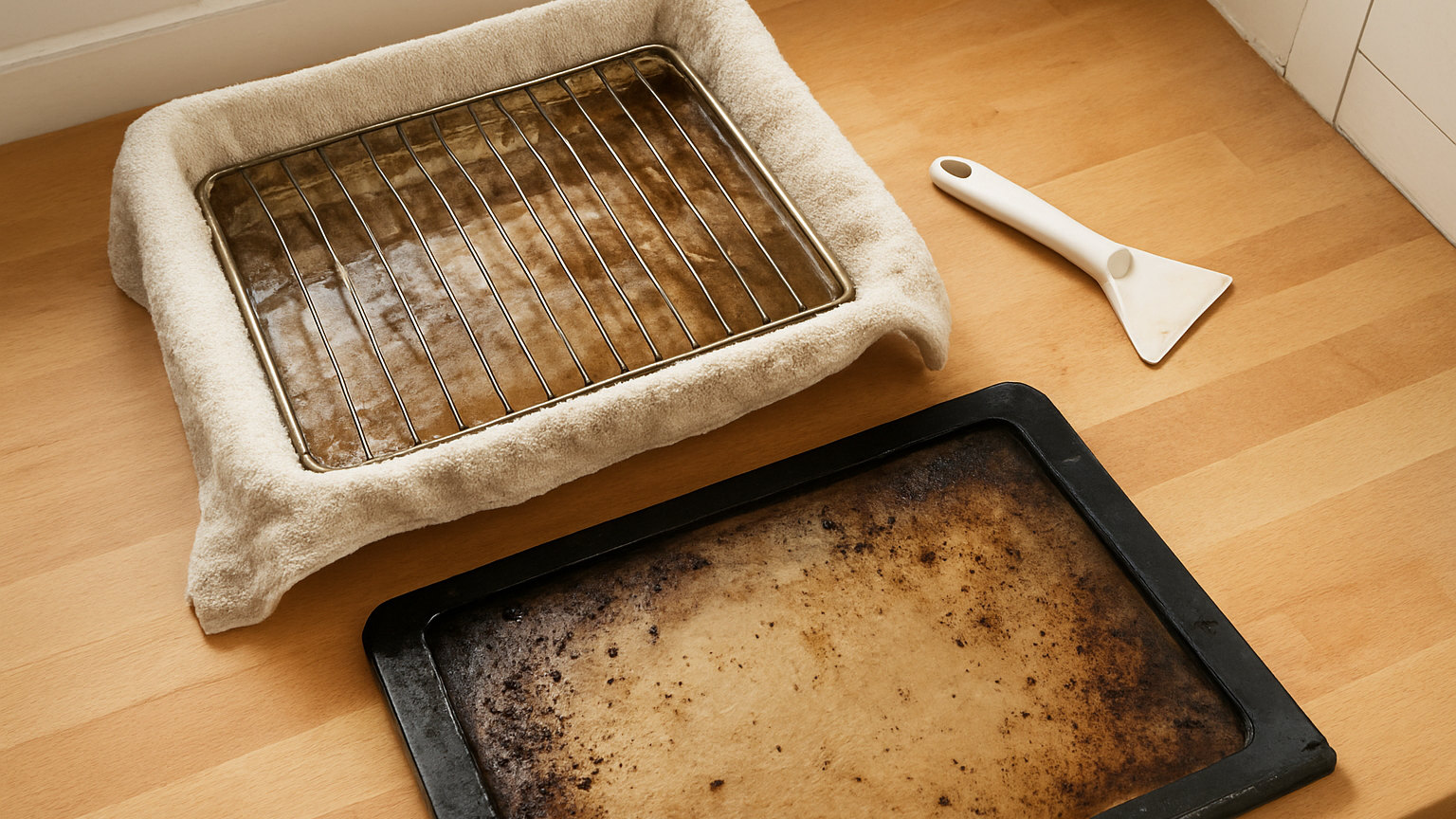
Caustic oven cleaners work by dissolving fat chemically, and the same chemistry works on skin, aluminium and several oven components.
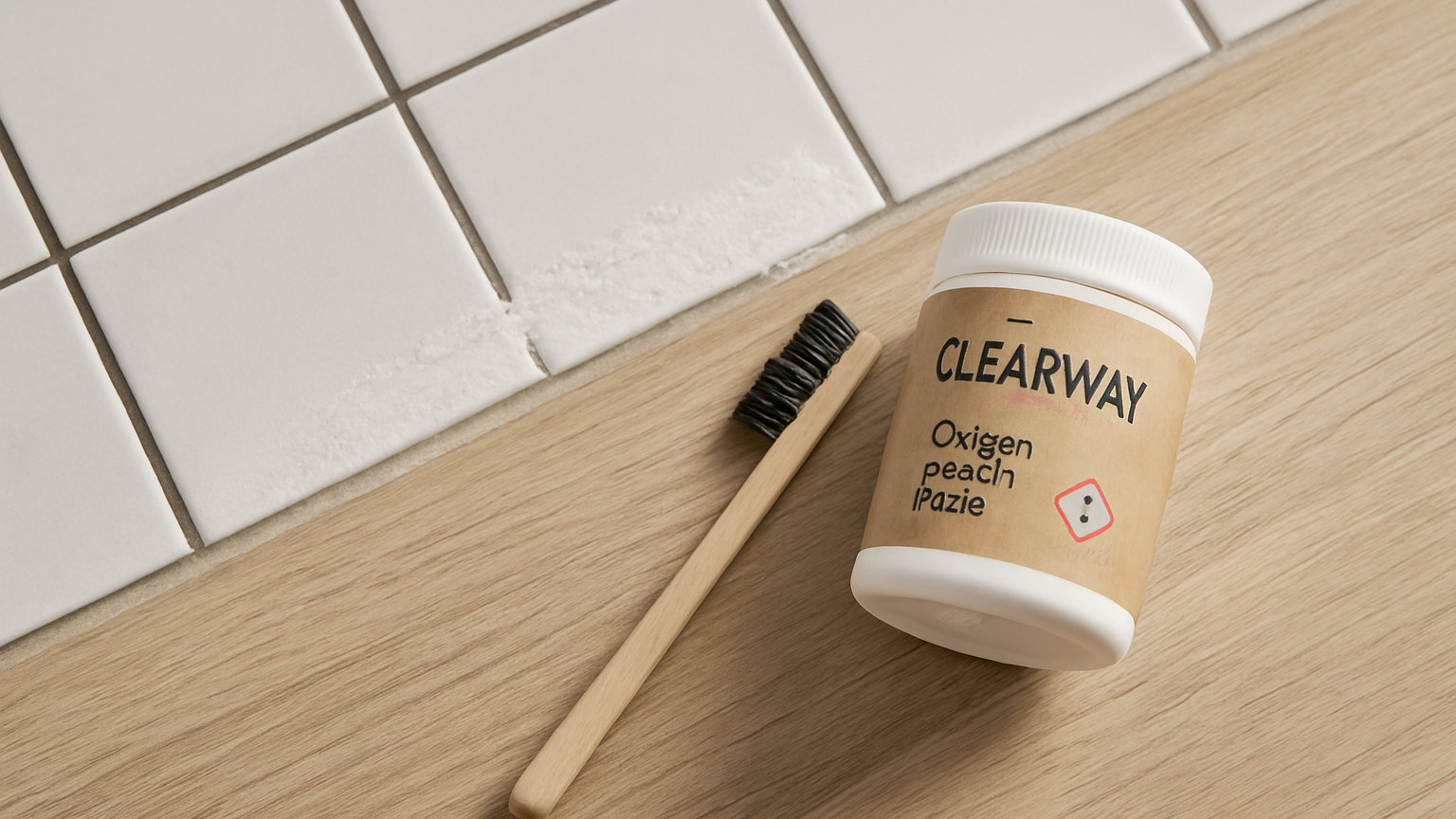
They work well on dirt and not at all on staining, and on older grout the pressure can do more harm than the cleaning is worth.
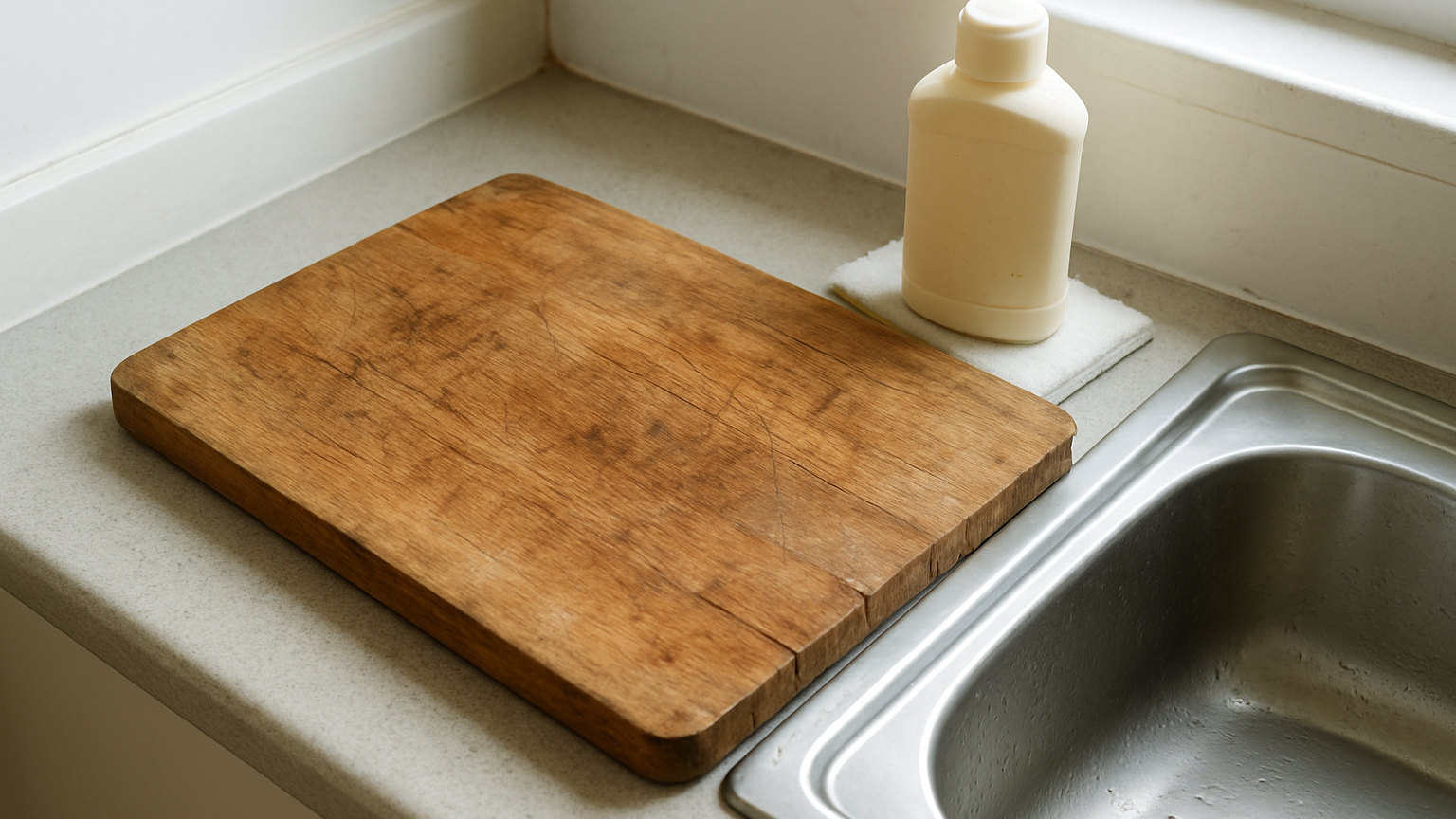
Wood and plastic need opposite treatment, and the research on which is more hygienic does not say what most people assume.
The paddle seizing onto its spindle is the most common bread maker failure, and it is caused entirely by how the pan is cleaned.
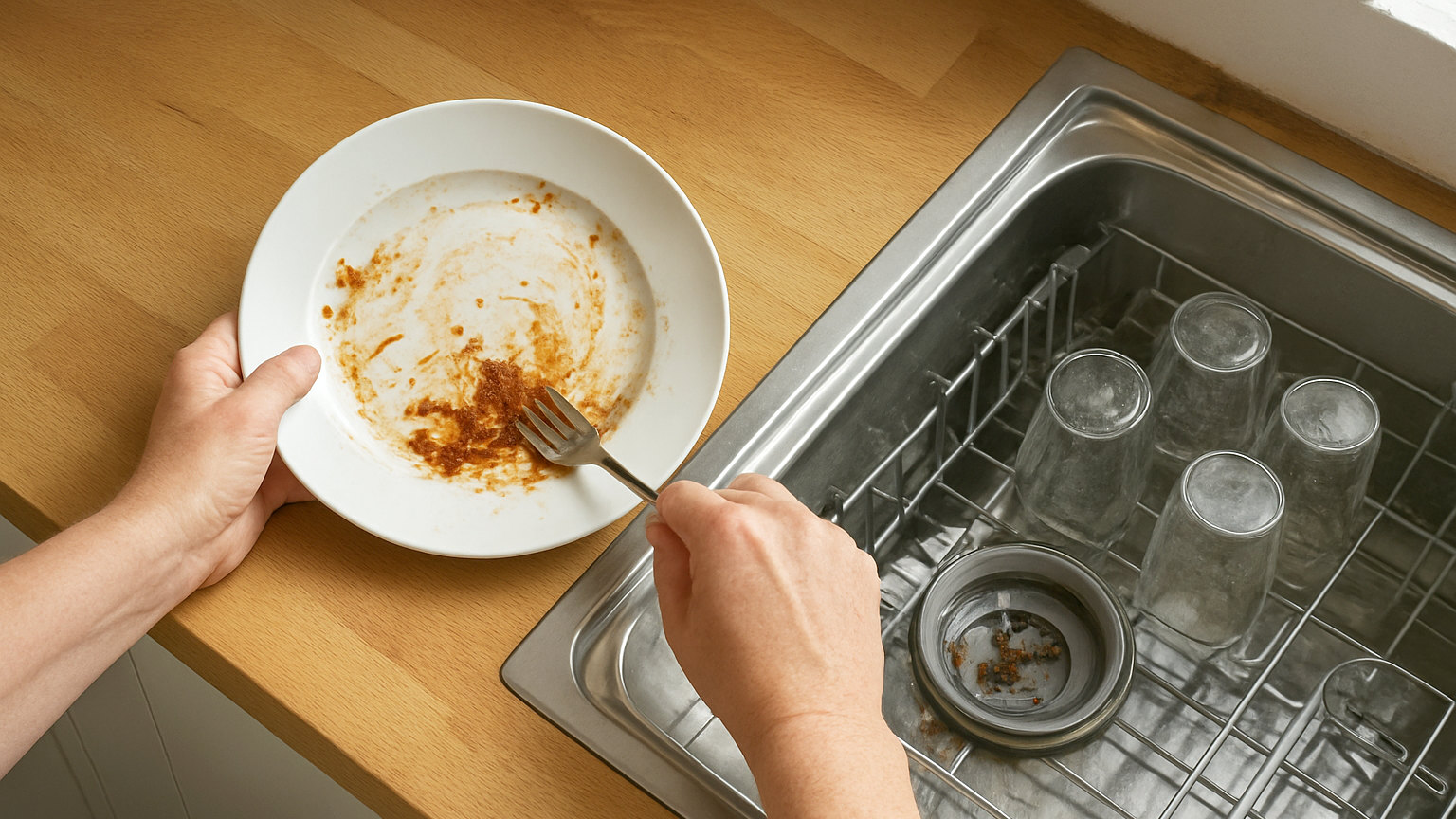
Scrape, do not rinse. Modern dishwasher detergent needs something to work on, and a rinsed plate can genuinely come out worse.
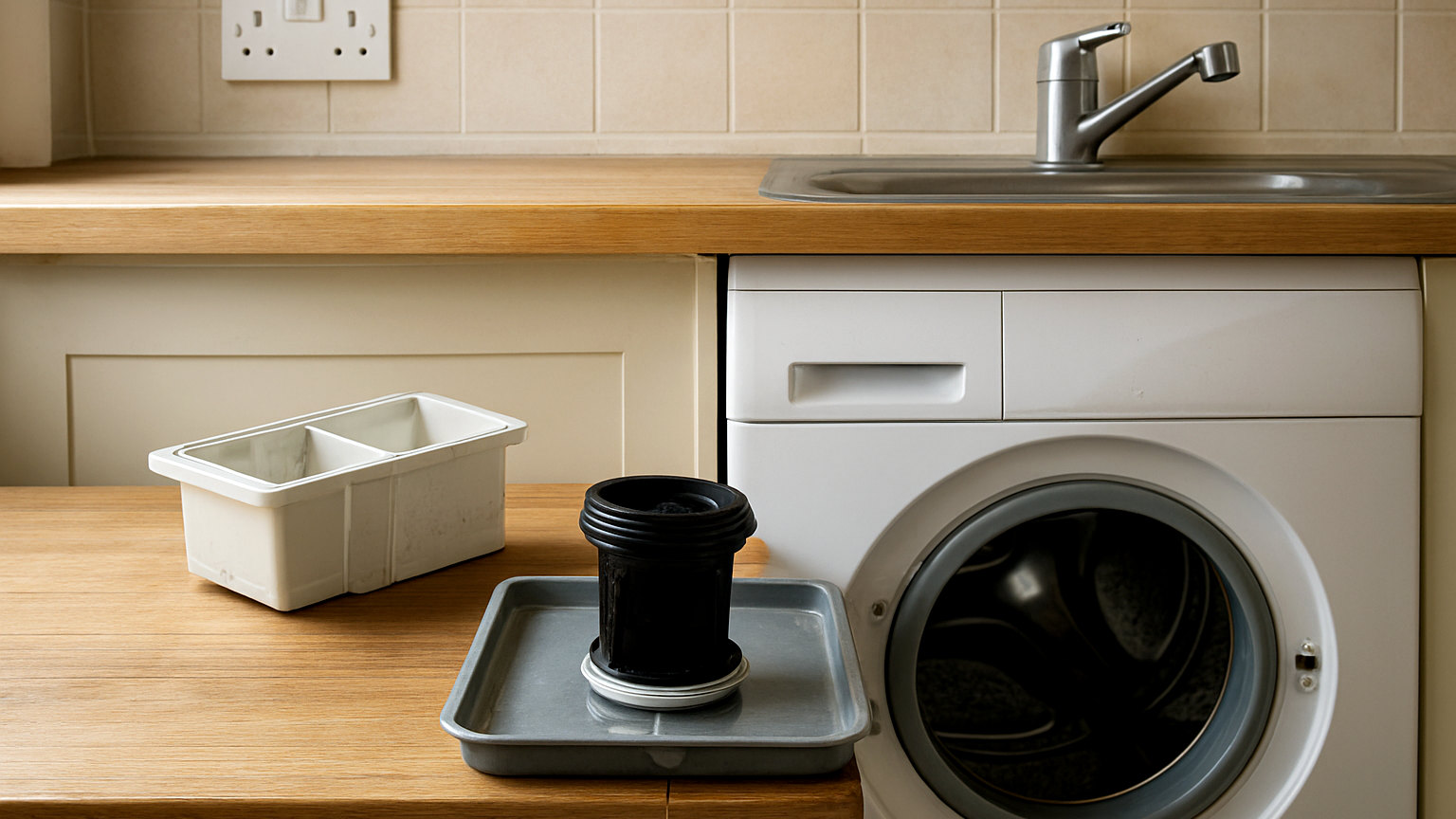
Four causes account for nearly every drainage fault, and three of them can be dealt with at home in under half an hour.
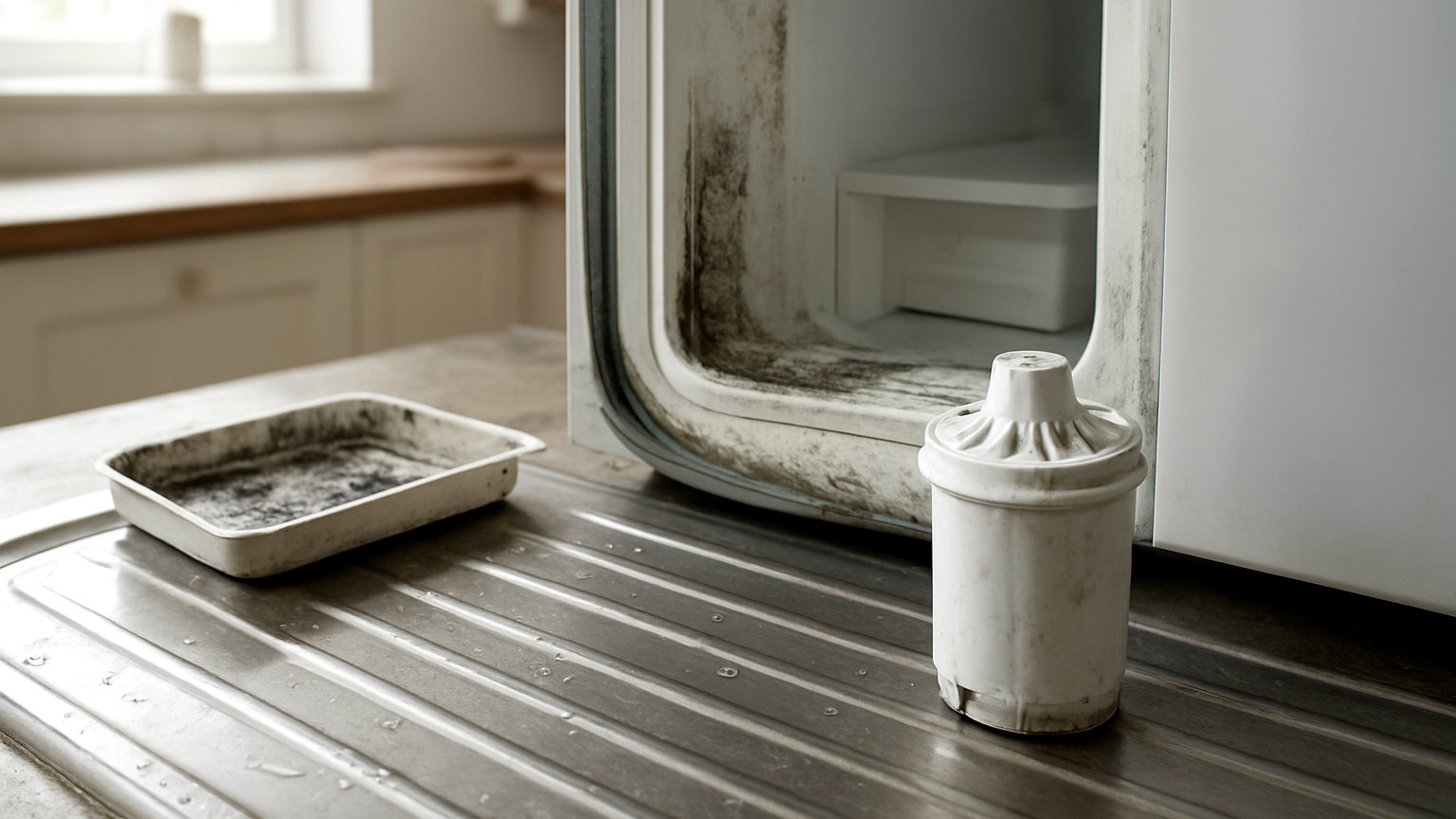
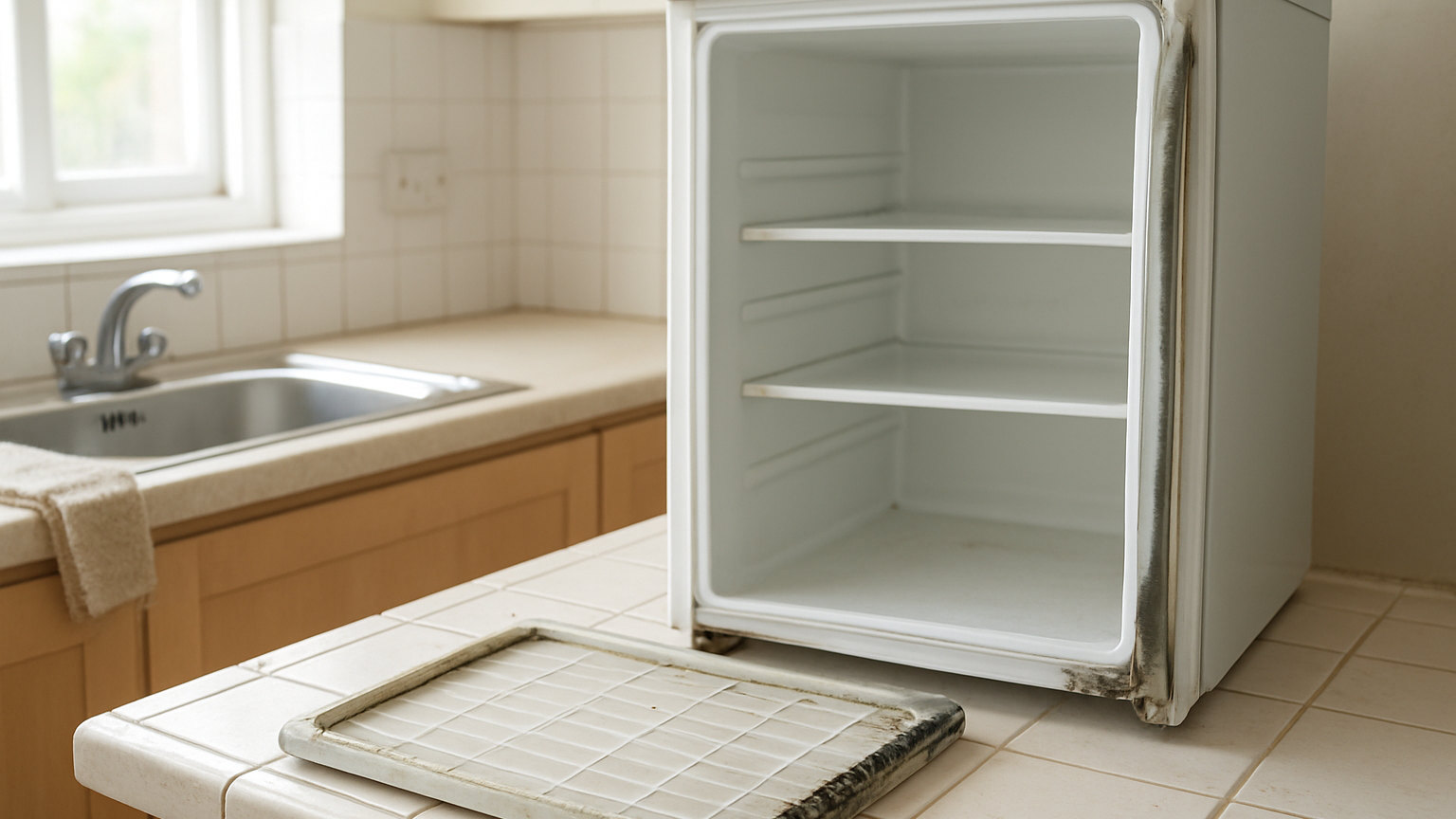
Cold slows mould down without stopping it, which is why a forgotten pot at the back of a fridge still grows a full colony.